

Introduction:
China has reiterated its willingness to play a constructive diplomatic role in resolving the ongoing Iran nuclear issue, emphasising dialogue and negotiation as the preferred path forward. The announcement was made by the Chinese Foreign Ministry in Beijing on Tuesday, as global powers continue to seek ways to manage tensions surrounding Tehran’s nuclear programme. The statement highlights Beijing’s continued positioning as a mediator in one of the world’s most sensitive geopolitical disputes involving China and Iran.
Why Is China Emphasising Its Role in the Iran Nuclear Issue?
China’s latest remarks come amid renewed international attention on the Iran nuclear issue, particularly as diplomatic efforts to maintain stability in the Middle East face persistent challenges. Beijing has repeatedly positioned itself as a supporter of multilateral negotiations, stressing that the concerns of all parties must be taken into account.
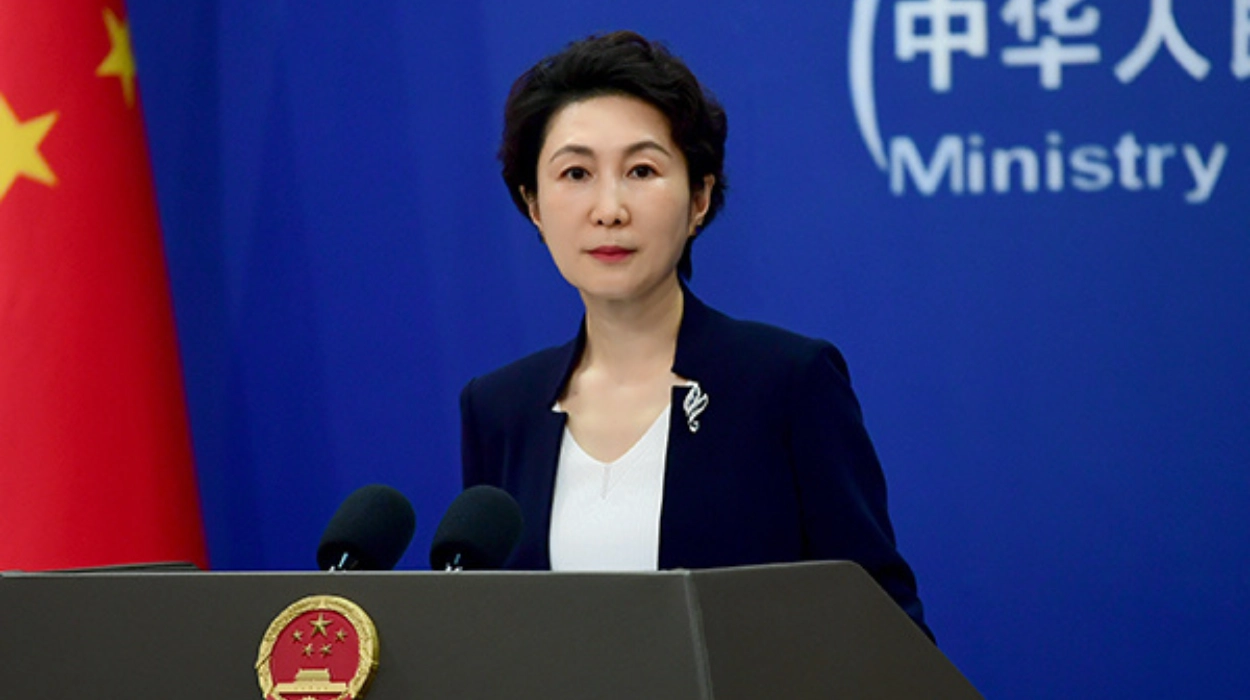
According to the Chinese Foreign Ministry spokesperson Mao Ning, the priority is to “safeguard the international nuclear non-proliferation regime” while promoting broader peace and stability. The statement signals Beijing’s intention to remain actively engaged in diplomatic discussions rather than allowing escalation or unilateral action to dominate the issue.
What Did China Say About Diplomatic Negotiations?
The Chinese Foreign Ministry reiterated that political and diplomatic engagement remains the only viable path to resolving the Iran nuclear issue. Officials emphasised that China supports continued dialogue and has consistently advocated for negotiations over confrontation.
Mao Ning noted that all parties should “seize the opportunity” to pursue a solution that balances legitimate concerns across the board. This reflects Beijing’s long-standing foreign policy stance of encouraging dialogue-based conflict resolution, particularly in sensitive regions such as the Middle East.
China has also expressed support for ongoing international efforts to maintain stability and prevent further deterioration of relations between Iran and Western powers.
How Does This Fit Into China’s Middle East Strategy?
China’s position on the Iran nuclear issue is closely linked to its broader diplomatic and economic interests in the Middle East. Over the past decade, Beijing has expanded trade, energy cooperation, and infrastructure investment across the region, while maintaining a policy of non-interference in domestic affairs.
By advocating for diplomacy, China seeks to position itself as a stabilising global actor capable of bridging divides between rival powers. Its involvement in past mediation efforts, including facilitating dialogue between regional states, has reinforced its image as an alternative diplomatic channel outside Western-led frameworks.
Analysts suggest that China’s continued engagement also reflects its reliance on stable energy imports from the region, as well as its strategic interest in preventing wider instability that could disrupt global markets.
What Are the Broader International Implications?
The Iran nuclear issue remains a central concern for global non-proliferation efforts. Any breakdown in negotiations risks escalating regional tensions and potentially undermining existing international agreements designed to limit nuclear proliferation.
China’s call for renewed diplomatic engagement comes at a time when geopolitical divisions between major powers remain pronounced. Its statement is likely to be interpreted as a reminder of the importance of multilateral cooperation in addressing global security challenges.
While Beijing’s influence is significant, experts note that meaningful progress on the Iran nuclear issue will ultimately depend on coordination between multiple stakeholders, including Western governments, regional actors, and international organisations.
What Happens Next in the Iran Nuclear Issue?
Looking ahead, the trajectory of the Iran nuclear issue will depend on whether diplomatic momentum can be sustained. China has indicated its readiness to continue engaging with relevant parties, but progress will require broader international consensus and sustained negotiations.
If talks resume or intensify, Beijing is expected to maintain its supportive and facilitative role. However, if diplomatic efforts stall, the risk of further geopolitical tension in the Middle East could increase.
For now, China’s message underscores a consistent position: dialogue remains the preferred route, and all sides are encouraged to prioritise negotiation over confrontation. The coming months will be critical in determining whether this approach can contribute to renewed progress or whether divisions deepen further on the global stage.