

Introduction:
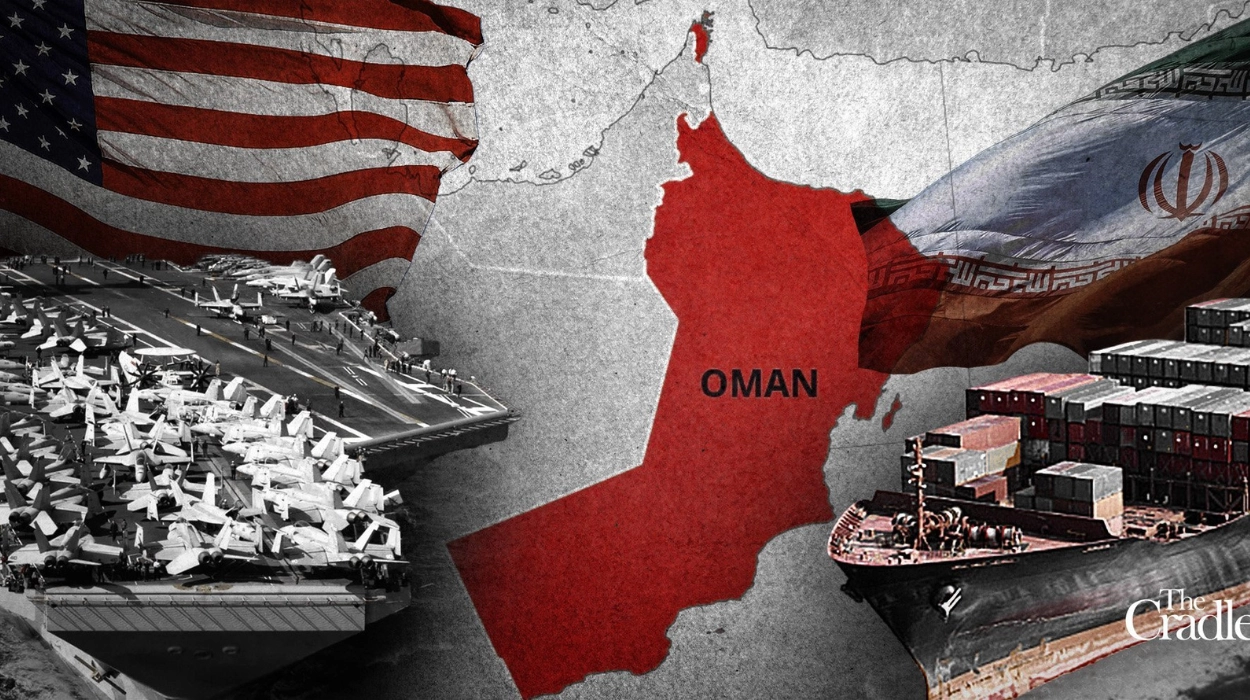
Oman has emerged as a pivotal player in the escalating geopolitical struggle over the Strait of Hormuz after Iran announced plans to establish a new authority overseeing transit through the strategic waterway. Tehran’s proposal to create the Persian Gulf Strait Authority (PGSA) has intensified regional tensions and placed Muscat at the centre of diplomatic negotiations involving Iran, Gulf Arab states and the United States. The development has heightened concerns over maritime security, energy supplies and the future balance of power in one of the world’s most critical shipping corridors.
Why Is The Strait of Hormuz So Strategically Important?
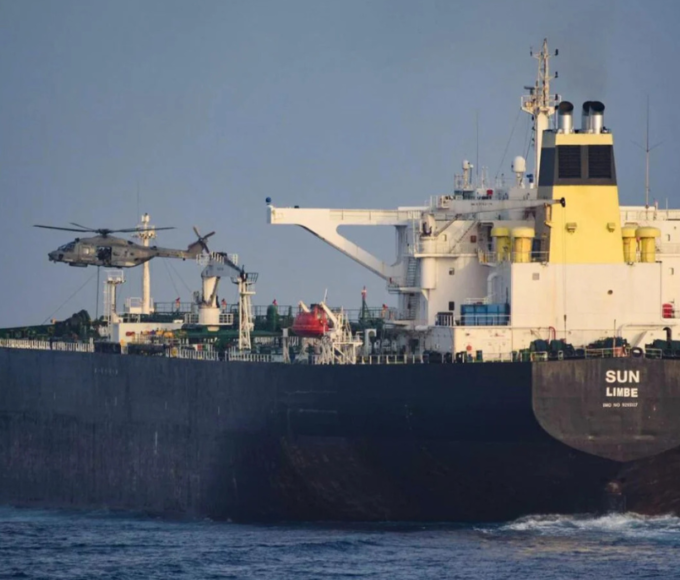
The Strait of Hormuz remains one of the world’s most vital maritime chokepoints, linking the Persian Gulf to the Gulf of Oman and the Arabian Sea. Roughly one-fifth of global oil supplies pass through the narrow waterway each day, making its stability essential for international energy markets and global trade.
Any disruption to shipping in Hormuz has the potential to trigger immediate increases in oil prices and wider economic uncertainty. The waterway is especially important for Gulf oil exporters including Saudi Arabia, Kuwait, Qatar and the United Arab Emirates, while Asian economies such as China, India and Pakistan depend heavily on uninterrupted energy flows through the corridor.
Oman’s geographical position gives it particular significance. Vessels entering and leaving the strait pass close to Omani territorial waters near the Musandam exclave, making Muscat indispensable to regional maritime coordination and navigation security.
What Has Iran Proposed Through The New Strait Authority?
Iran announced the establishment of the Persian Gulf Strait Authority on 5 May 2026, presenting it as a mechanism for regulating commercial transit and collecting passage fees through the Strait of Hormuz. If implemented, the authority would formalise Tehran’s long-standing threats to exert greater administrative control over the waterway.
Iranian officials have framed the proposal as a sovereign security measure designed to manage maritime traffic and ensure safe navigation. However, critics in Washington and parts of the Gulf argue that the initiative could provide Tehran with increased leverage over international shipping and energy markets.
The proposal has raised concerns among Western governments that Iran may seek to institutionalise its influence over Hormuz at a time of heightened regional instability. Analysts believe the move reflects Tehran’s broader effort to reduce Western military dominance in Gulf security affairs.
Why Has Oman Become Central To The Diplomatic Crisis?
Oman has long maintained a unique position within Gulf diplomacy by preserving working relations with both Iran and Western powers. Unlike some of its Gulf neighbours, Muscat avoided becoming deeply involved in the region’s sectarian rivalries and continued diplomatic engagement with Tehran during periods of heightened tension.
That balanced approach has allowed Oman to act as a trusted intermediary in negotiations involving Iran, the United States, Saudi Arabia and Yemen’s Houthi movement. Omani mediation was widely credited with facilitating earlier backchannel talks linked to Iran’s nuclear programme.
Regional analysts say Muscat’s neutrality has now become both an asset and a liability. As tensions over Hormuz intensify, Oman faces mounting pressure from competing regional powers seeking to shape the future security architecture of the Gulf.
Omani academic Dr Abdullah Baabood described Muscat’s position as an attempt to balance freedom of navigation, strategic ties with Iran and relations with Western allies simultaneously. However, he warned that these objectives are becoming increasingly difficult to reconcile as the Hormuz dispute grows more politicised.
How Is The United States Responding To Oman’s Mediation?
The United States has expressed growing unease over Oman’s diplomatic engagement with Tehran. Washington remains firmly opposed to any arrangement that could weaken American naval influence in the Gulf or strengthen Iran’s regional leverage.
Tensions escalated sharply after US President Donald Trump reportedly threatened Oman during remarks made on 27 May, warning that Muscat “will behave just like everybody else”. The comments were widely interpreted across the region as a direct warning against any Omani role that might legitimise Iranian control over the strait.
Iran condemned the remarks, with Foreign Ministry spokesman Esmail Baghaei describing the statement as “dangerous” and contrary to international law. Iranian Foreign Minister Abbas Araghchi later reaffirmed Tehran’s solidarity with Oman following discussions with Omani officials.
The dispute also intersects with wider regional disagreements over Israel’s normalisation agreements with Arab states. Oman has consistently resisted joining the Abraham Accords framework and continues to support the Arab Peace Initiative as the basis for resolving the Israeli-Palestinian conflict.
Could Oman And Iran Reach A Wider Security Understanding?
While Oman has publicly emphasised freedom of navigation and maritime stability, analysts believe Muscat may be pursuing practical security arrangements with Tehran behind closed doors. These discussions are thought to focus on deconfliction mechanisms, shipping coordination and crisis management rather than formal joint control of Hormuz.
Omani policy analysts insist Muscat’s engagement with Iran is driven primarily by geography and regional stability rather than political alignment. Oman continues to argue that dialogue with Tehran is necessary to prevent military escalation in the Gulf.
At the same time, Muscat remains careful not to alienate Gulf Cooperation Council partners or Western allies. Saudi Arabia, Kuwait and Qatar are all closely monitoring developments, particularly given their dependence on uninterrupted oil exports through the strait.
Economic considerations are also shaping Oman’s approach. Trade and infrastructure cooperation between Oman and Iran has expanded steadily in recent years, increasing Muscat’s interest in preserving a stable maritime environment.
What Could Happen Next In The Hormuz Dispute?
The future of the Strait of Hormuz dispute will likely depend on whether diplomatic negotiations can prevent further militarisation of the waterway. Any attempt by Iran to enforce transit fees or administrative controls unilaterally could provoke strong international resistance and heighten the risk of confrontation.
Oman is expected to continue positioning itself as a mediator capable of maintaining dialogue between rival powers. However, balancing relations with Iran, the United States and Gulf allies may become increasingly difficult if tensions continue to rise.
Energy markets, shipping companies and regional governments will closely monitor whether Tehran moves beyond political signalling towards practical implementation of the Persian Gulf Strait Authority. Any disruption in Hormuz could have immediate global economic consequences.
The broader implications extend well beyond maritime security. The crisis reflects an emerging struggle over who will shape the Gulf’s future political order and whether regional powers can reduce reliance on external military influence. For now, Oman’s diplomatic balancing act remains central to efforts aimed at preventing a deeper regional confrontation.