

Ukraine has entered a new phase of its war against Russia with what many analysts describe as a more defined theory of victory, shifting its focus from reclaiming territory through large-scale offensives to steadily weakening Russia’s military capabilities, economy and political resolve over time. As the conflict continues into its fourth year, Kyiv’s leadership is seeking to combine long-range strikes, technological innovation, sustained Western support and domestic resilience in an effort to alter the strategic balance. Whether this approach can ultimately achieve Ukraine’s objectives remains uncertain, but it reflects the realities of a prolonged conflict in which both sides continue to adapt.
Why Is Ukraine Pursuing a New Theory of Victory?
Ukraine’s evolving strategy reflects lessons learned from previous stages of the war. After successful counteroffensives in 2022 and a more difficult campaign during 2023, military planners increasingly recognised that decisive territorial breakthroughs had become significantly harder due to extensive Russian defensive fortifications, minefields and growing drone warfare.
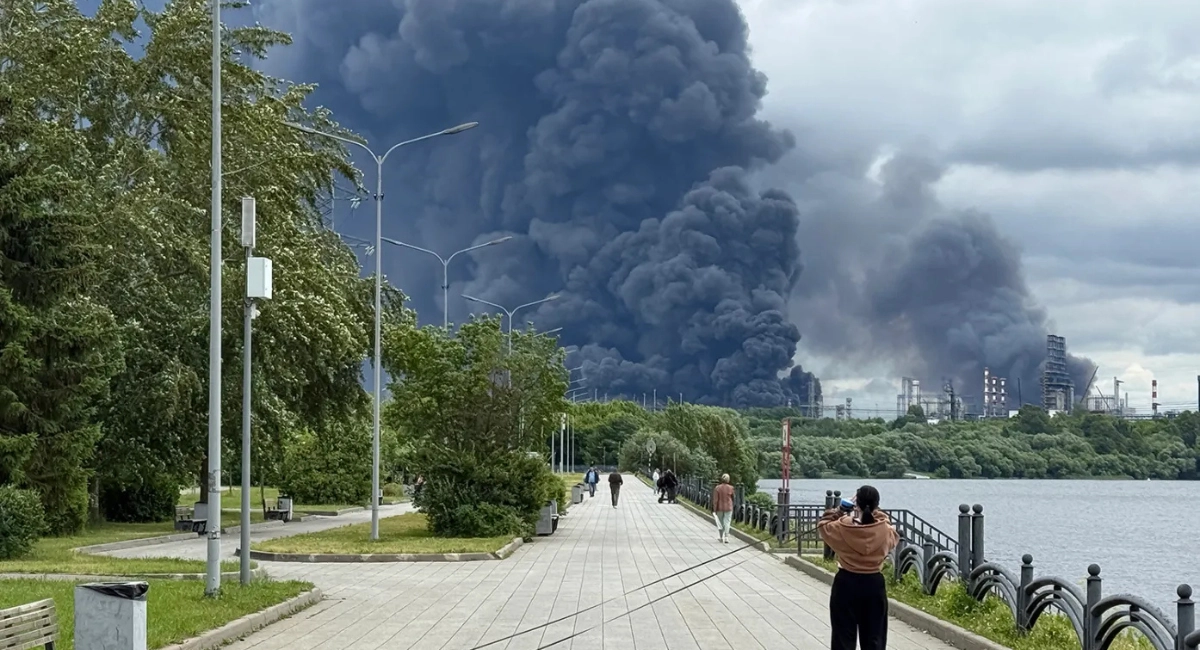
Rather than relying solely on conventional offensives, Ukrainian commanders are now emphasising a long-term campaign designed to steadily erode Russia’s military strength. This includes striking ammunition depots, logistics hubs, fuel facilities, command centres and defence industries located far behind the frontline.
Officials argue that degrading Russia’s ability to sustain military operations may prove more effective than costly direct assaults against heavily defended positions.
What Does Ukraine’s Current Strategy Involve?
Ukraine’s strategy combines several military, economic and diplomatic elements.
One major component involves expanding the use of domestically produced long-range drones capable of targeting military infrastructure hundreds of kilometres inside Russian territory. These attacks aim to disrupt supply chains, reduce industrial production supporting the war effort and force Russia to divert valuable air defence resources away from frontline operations.
At the same time, Ukraine continues investing heavily in electronic warfare systems, artificial intelligence-assisted battlefield management and unmanned technologies across land, sea and air.
Defensively, Kyiv remains committed to holding key positions while limiting personnel losses wherever possible. Military analysts increasingly describe the conflict as one of attrition, where industrial capacity, technological innovation and logistics may become more decisive than rapid battlefield advances.
Why Does Western Support Remain Critical?
Ukraine’s strategy depends heavily on continued military and financial assistance from its international partners.
Western governments have supplied advanced air defence systems, artillery, armoured vehicles, intelligence support and long-range precision weapons throughout the conflict. European nations have also expanded ammunition production while committing additional defence spending to support Ukraine over the coming years.
Financial assistance remains equally important. International aid helps sustain Ukraine’s economy, public services and reconstruction efforts while enabling continued defence expenditure.
However, uncertainty surrounding future political decisions in some allied countries continues to generate questions about the long-term reliability of military assistance, making sustained diplomatic engagement a priority for Kyiv.
How Has Russia Responded to Ukraine’s Changing Approach?
Russia has continued adapting its own military strategy in response.
Moscow has increased drone and missile production while expanding domestic defence manufacturing to support prolonged military operations. Russian forces continue launching regular missile and drone attacks against Ukrainian infrastructure, seeking to weaken energy systems, transportation networks and defence industries.
On the battlefield, Russian troops continue applying pressure across several sectors of the front, attempting incremental territorial gains while exploiting their larger manpower and industrial resources.
Russian officials maintain that Western military support prolongs the conflict, while Ukraine and its allies argue that continued assistance remains essential for defending Ukrainian sovereignty.
What Challenges Could Undermine Ukraine’s Strategy?
Despite its evolving approach, Ukraine faces substantial obstacles.
One of the greatest challenges remains manpower. Sustaining military operations over several years places enormous demands on recruitment, training and force rotation. Casualties and mobilisation requirements continue affecting Ukrainian society and the wider economy.
Industrial production also remains a challenge. Although Ukraine has rapidly expanded domestic drone manufacturing and defence production, demand for ammunition, air defence interceptors and advanced equipment continues to exceed available supplies.
Additionally, Russian military production has proven more resilient than many early assessments anticipated, allowing Moscow to replenish equipment despite international sanctions.
What Do Military Experts Say About the New Approach?
Many defence analysts believe Ukraine’s revised strategy reflects military realism rather than diminished ambition.
Experts increasingly argue that modern conflicts often become contests of endurance rather than rapid manoeuvre. Success may depend on gradually weakening an opponent’s military capacity, economic resilience and political willingness to continue fighting.
Analysts also note that technological innovation has transformed the battlefield. Low-cost drones, satellite intelligence, electronic warfare and precision strikes have fundamentally altered military operations, reducing the effectiveness of traditional large-scale armoured offensives.
Nevertheless, specialists caution that no single strategy guarantees success. Outcomes will continue to depend on battlefield developments, industrial capacity, international political support and both countries’ ability to sustain prolonged military operations.
What Could This Mean for European Security?
The conflict continues to shape Europe’s broader security environment.
European governments have accelerated defence spending, expanded arms production and strengthened military cooperation in response to the ongoing war. NATO members continue reassessing deterrence strategies while reinforcing their eastern borders.
The war has also influenced global energy markets, food security and international supply chains. Continued instability could prolong economic uncertainty across multiple regions while reinforcing geopolitical divisions between Russia and Western countries.
For Ukraine, maintaining international confidence remains central to ensuring continued military and economic backing.
What Happens Next In The Conflict?
The coming months are likely to test whether Ukraine’s revised strategy can generate measurable strategic advantages.
Military operations are expected to continue along multiple fronts, while long-range strikes, drone warfare and technological innovation increasingly define the conflict’s character. Diplomatic efforts, sanctions enforcement and defence production will remain closely linked to battlefield developments.
Much will also depend on the consistency of international support, Russia’s ability to sustain its military campaign and each side’s capacity to adapt to changing operational conditions.