

Introduction:
Foreign ministers from the United States, India, Japan and Australia are gathering in New Delhi for a three-day meeting of the Quad alliance, as concerns grow over Indo-Pacific security and the grouping’s long-term cohesion. The talks, involving the Quadrilateral Security Dialogue (Quad alliance), come amid rising geopolitical tensions in the region and renewed scrutiny of US–India relations under President Donald Trump’s administration. While the agenda focuses on security, energy supply chains and emerging technologies, analysts say the bigger question is whether the Quad alliance can remain relevant in an increasingly contested strategic environment shaped by China’s assertiveness and shifting political priorities among member states.
Why Is The Quad alliance Meeting In Delhi?
The Quad alliance meeting in New Delhi brings together senior diplomats from United States, India, Japan and Australia to discuss Indo-Pacific security, economic resilience and cooperation on emerging technologies. The gathering is intended to reinforce the group’s shared vision of a “Free and Open Indo-Pacific,” a strategic framework aimed at maintaining regional stability and secure maritime routes. However, the meeting is also taking place against a backdrop of strained diplomatic relations and questions over political alignment within the group.
What Are The Tensions Between US And India?
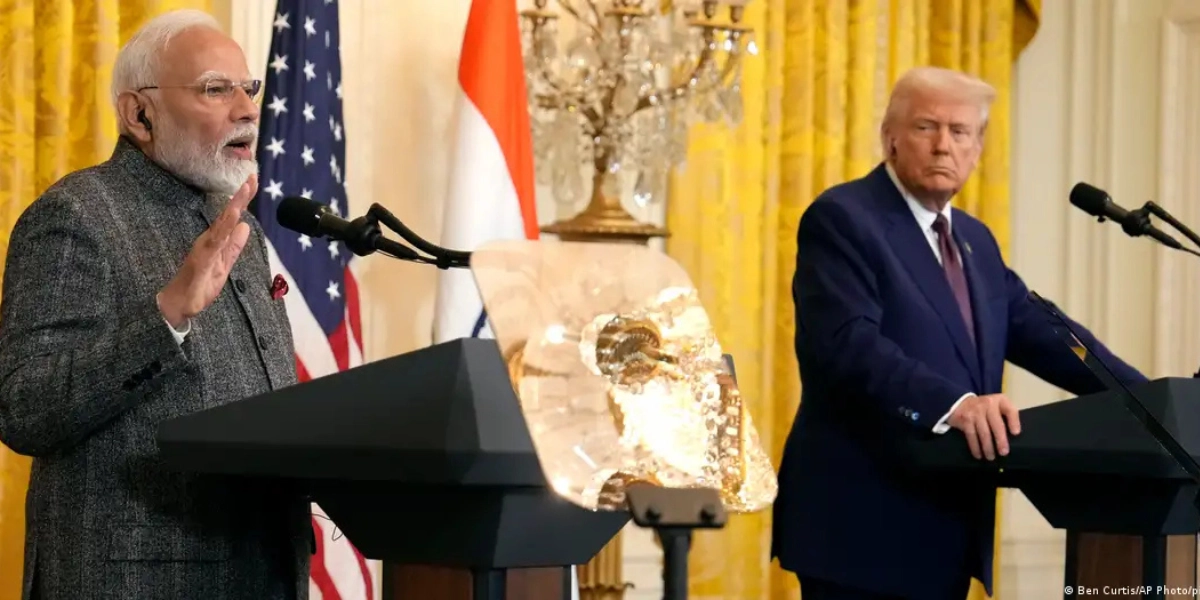
A key issue surrounding the Quad alliance is growing friction between Washington and New Delhi. Trade disputes, tariff measures imposed by the US, and disagreements over India’s defence procurement from Russia have all contributed to tension. President Donald Trump’s recent comments on regional disputes and economic measures have further complicated relations, leading to concerns in diplomatic circles about cohesion within the Quad alliance. Despite this, both sides continue to emphasise shared strategic interests, particularly in relation to Indo-Pacific stability and counterbalancing regional security threats.
How Does China Influence Quad alliance Strategy?
The Quad alliance was largely formed in response to shared concerns about China’s expanding influence in the Indo-Pacific. Beijing has consistently criticised the grouping, describing it as a containment mechanism. Analysts note that China’s growing maritime activity and strategic assertiveness in disputed waters have reinforced the need for coordination among Quad members. However, observers also warn that internal divisions within the Quad alliance could undermine its ability to present a unified strategic front, potentially benefiting China’s regional position.
What Did Experts Say About The Future Of Quad alliance?
Experts remain divided over the long-term trajectory of the Quad alliance. Some argue that the absence of a formal treaty structure gives the group flexibility, allowing it to adapt despite political differences. Others, however, caution that reduced summit frequency and uneven commitment from member states could weaken its relevance. One international relations academic noted that while strategic interests remain aligned, particularly regarding Indo-Pacific security, differences in foreign policy approaches—especially India’s emphasis on strategic autonomy—continue to shape the group’s dynamics.
What Happens Next For The Quad alliance?
Looking ahead, the future of the Quad alliance will likely depend on whether member states can sustain political commitment and practical cooperation. A potential leaders’ summit expected in Australia in 2026 is seen as a critical test of the group’s cohesion. There is also growing discussion about expanding the framework to include additional partners such as South Korea, Vietnam and New Zealand under a “Quad-plus” arrangement. For now, attention remains focused on whether ongoing diplomatic engagement in New Delhi can stabilise relations and reaffirm the group’s strategic purpose.
The Quad alliance stands at a pivotal moment as shifting geopolitical pressures, internal disagreements and external competition reshape Indo-Pacific security dynamics. While shared concerns about regional stability continue to bind the United States, India, Japan and Australia, the group’s ability to maintain momentum will be crucial in determining its future relevance. As global attention turns to the New Delhi talks, the coming months will reveal whether the Quad alliance can adapt to changing political realities or risk gradual strategic decline in one of the world’s most important regions.