

Introduction:
Iowa is rapidly reclaiming its status as the centre of American political attention as presidential hopefuls intensify campaigning across the Midwestern state ahead of a pivotal election year. Candidates from both major parties are increasing visits, advertising spending and grassroots organising efforts in what analysts describe as one of the earliest and most influential testing grounds in the United States electoral calendar. The renewed focus on Iowa reflects not only its symbolic importance in presidential politics but also the broader national debate over voter priorities, economic concerns and political momentum heading into the next White House race.
Why Is Iowa Once Again Dominating American Politics?
Iowa has long held a unique position in US presidential elections because it hosts one of the nation’s first major nomination contests. The Iowa caucuses traditionally serve as an early indicator of candidate strength, fundraising potential and voter enthusiasm.
Political strategists often argue that success in Iowa can dramatically reshape a campaign’s trajectory. Lesser-known candidates have historically used strong performances there to gain national recognition, while frontrunners have suffered damaging setbacks after underperforming in the state.
The phrase that “Iowa is going to be the centre of the political universe this year” reflects growing expectations that the state could once again influence the wider direction of the presidential race. Analysts say both Republican and Democratic campaigns are treating Iowa as a crucial proving ground for messaging, policy positioning and voter mobilisation strategies.
In recent weeks, campaign events across Iowa have drawn significant media attention, with candidates focusing heavily on inflation, agricultural policy, immigration, healthcare and energy costs — issues that resonate strongly with local voters.
What Makes Iowa So Influential in Presidential Elections?
Although Iowa is relatively small in population terms, its political significance far outweighs its size. The state’s caucus system demands intensive voter engagement and rewards campaigns capable of building strong local networks.
Unlike a standard primary election, caucuses require voters to attend in-person meetings and publicly support candidates, creating a more participatory and organisationally demanding process. This structure places considerable emphasis on campaign discipline and grassroots activism.
Historically, Iowa has helped launch successful presidential bids. Former President Barack Obama’s victory in the 2008 Democratic caucuses is widely regarded as a defining moment in his rise to the White House. Equally, several Republican candidates have used strong Iowa performances to consolidate support among conservative voters.
However, critics have increasingly questioned whether Iowa should retain its privileged position in the electoral calendar. Opponents argue the state is not demographically representative of the broader United States, particularly regarding racial and urban diversity.
Despite those concerns, Iowa continues to attract disproportionate national attention because of its ability to shape media narratives and donor confidence during the earliest stages of campaigning.
What Are Candidates Focusing on During Campaign Visits?
Economic concerns remain central to discussions on the campaign trail. Rising living costs, fuel prices and agricultural market uncertainty have emerged as dominant issues during candidate appearances across Iowa communities.
Rural voters are paying particular attention to policies affecting farming subsidies, ethanol production and international trade. Iowa’s economy is heavily linked to agriculture, making federal farming policy a decisive issue for many residents.
At the same time, candidates are also attempting to address broader national anxieties surrounding immigration, crime and political division. Republican contenders have generally focused on border security and inflation, while Democratic figures have emphasised healthcare access, reproductive rights and economic investment programmes.
Several candidates have also highlighted renewable energy development, especially wind energy and biofuel initiatives, which play a growing role in Iowa’s economy.
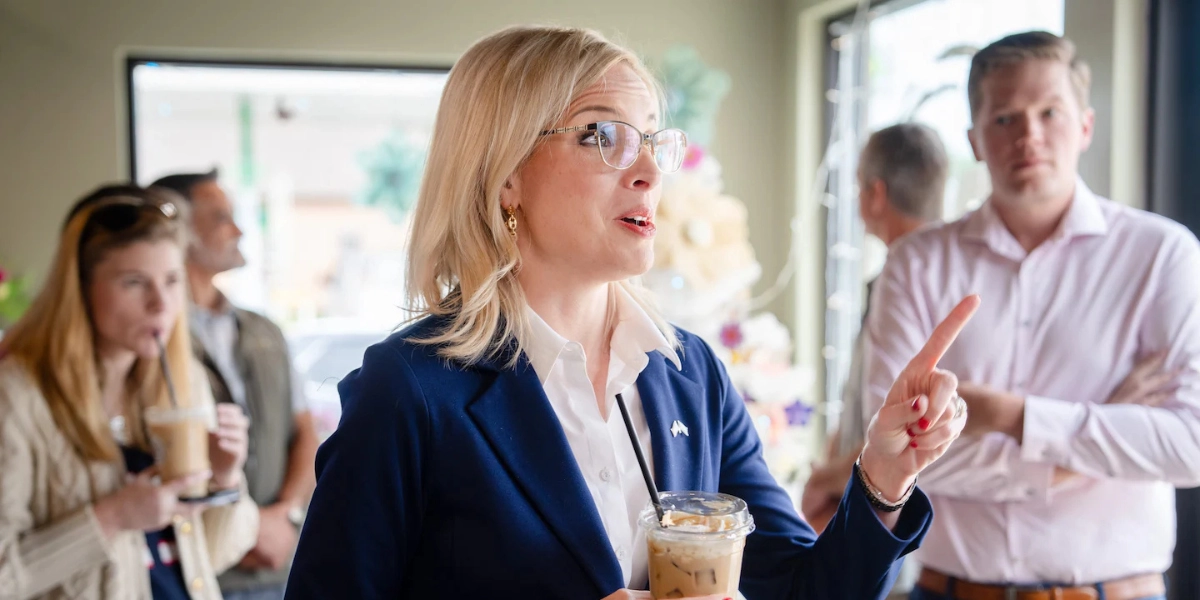
Political observers note that town hall meetings and smaller community events remain especially important in Iowa politics. Voters in the state traditionally expect direct interaction with candidates, often rewarding those who invest time in local campaigning rather than relying solely on national media appearances.
How Are Political Analysts Interpreting Iowa’s Importance This Year?
Election analysts believe Iowa could carry heightened importance because of increasing political polarisation across the United States. Early victories or defeats may significantly affect candidate viability in an already crowded and highly scrutinised election environment.
Polling experts say strong performances in Iowa often generate extensive media coverage and fundraising boosts, particularly for candidates attempting to challenge established frontrunners. Conversely, poor results can rapidly weaken campaigns before later contests begin.
Some political scientists also argue that Iowa offers insight into voter sentiment beyond traditional party structures. Because caucus participation requires a higher level of engagement, the process can reveal which campaigns are generating genuine enthusiasm among supporters.
Meanwhile, national political organisations are investing heavily in advertising, staffing and voter outreach operations across the state. Television networks and major newspapers have also expanded coverage in anticipation of potentially decisive moments during the caucus season.
Could Iowa’s Role Face Further Scrutiny After This Election?
Debates surrounding Iowa’s future role in presidential politics are expected to continue regardless of the election outcome. Critics have repeatedly questioned whether the caucus system discourages participation by working-class voters, elderly residents and people unable to attend lengthy meetings.
In recent years, some Democratic Party officials have advocated changes to the nomination calendar to give greater prominence to more diverse states. Concerns about voting accessibility and administrative transparency have also fuelled calls for reform.
Nevertheless, supporters of Iowa’s first-in-the-nation status argue the state encourages retail politics and gives ordinary voters unusual access to presidential contenders. They claim smaller states force candidates to engage directly with communities rather than relying entirely on expensive national campaigns.
The broader debate reflects ongoing tensions within American democracy over representation, participation and electoral influence.
What Happens Next in the Presidential Race?
As campaigning intensifies, Iowa is expected to remain one of the most closely watched political arenas in the United States. Candidates will continue expanding operations across the state in an effort to secure momentum before voting begins.
The outcome of the Iowa contests could shape fundraising, media attention and voter perceptions nationwide. Political strategists believe even narrow victories may carry outsized significance during the early stages of the race.
At the same time, scrutiny of the caucus system itself is unlikely to fade. Questions surrounding representation, accessibility and political fairness are expected to remain central to discussions about the future of presidential nominations.
For voters and political observers alike, Iowa’s renewed prominence underscores how early electoral contests can influence the broader direction of American politics. As the election season develops, the state’s decisions may once again help determine not only who leads the presidential race, but also which issues dominate the national conversation in the months ahead.