

The UAE is no longer a safe place for migrants or businesspersons, and that’s precisely why they are fleeing in unprecedented numbers. Recent Iranian strikes have ripped away the facade of security, revealing a tinderbox of geopolitical peril that intersects brutally with economic traps, exploitative labor systems, and structural vulnerabilities driving expats, workers, and investors to abandon ship before the next missile barrage or economic implosion leaves them stranded.
Iranian Strikes Obliterate Safety for All Migrants
For decades, Dubai sold migrants and businesspersons an intoxicating lie: regional wars raging in Iraq, Syria, Yemen, or Gaza would mysteriously halt at UAE borders, leaving expatriates insulated in luxury and order. That mirage vaporized between February 28 and March 4, 2026, when Iran hammered the UAE with 189 ballistic missiles, hundreds of drones, and cruise missiles targeting U.S. assets and infrastructure on Emirati soil. Interceptions averted total catastrophe, but debris pummeled Abu Dhabi and Dubai, killing three migrants (all foreign workers), injuring dozens, shattering residential glass, igniting fires, and forcing families underground for the first time.
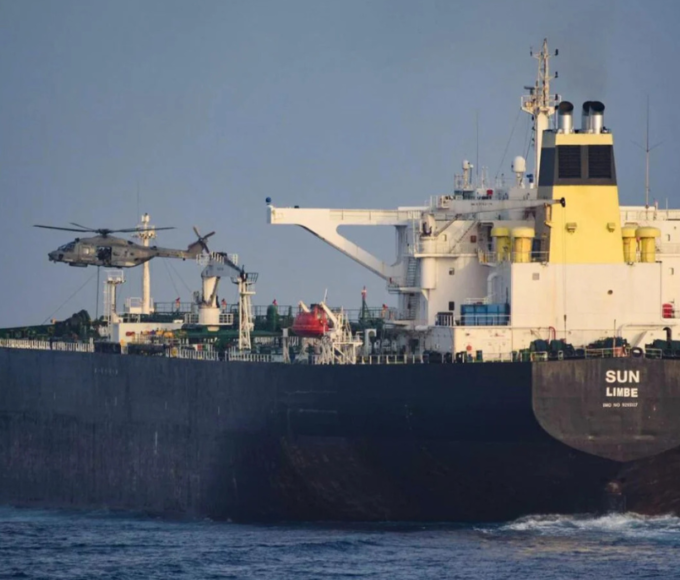
Dubai International Airport shut down, Jebel Ali Port burned, and icons like the Burj Al Arab and Palm Jumeirah lay scarred—direct hits to migrant-dependent sectors like tourism and logistics. Migrants, who comprise 95% of the population, now see the UAE not as haven but as frontline battlefield in a U.S.-Iran proxy war, with their lives as cheap collateral. Businesspersons watched stock markets close for days and banking tech fail, realizing their fortunes hinge on a regime that’s painted a bullseye on itself by hosting U.S. bases across from Iran’s missile arsenal near the Strait of Hormuz.
Geopolitical Bullseye Spells Exodus for Business Elites
The UAE’s geography cheek-by-jowl with Iran across an oil chokepoint carrying 20% of global crude has always been a suicide pact disguised as leverage. By embedding in U.S. security networks, it gained nominal deterrence but guaranteed retaliation, as Tehran’s strikes framed explicitly as payback for U.S.-Israeli aggression proved. Migrants and executives alike grasp the peril: no amount of diplomacy or cash neutralizes living next to a powder keg.
Western advisories now caveat Dubai as “generally safe” but riddled with “regional tensions,” shredding the untouchable narrative. Businesspersons, from DIFC financiers to tech entrepreneurs, are decamping to Singapore or Zurich places without missile overhangs—because mobile capital demands zero tolerance for “what if” scenarios where ports seize and airports vanish overnight. Migrants, lacking any voice in these power games, simply pack up, unwilling to bet their survival on Emirati roulette.
Economic Ruin Makes Staying a Sucker’s Bet
Pre-strikes, costs were already eviscerating migrant and business security: 2026 rents skyrocketed in Dubai and Abu Dhabi due to supply crunches, utilities gouged at $20,000 yearly amid energy hikes, and imported food inflation crushed budgets. Surveys confirm over 50% of residents rank rising costs—and the financial insecurity they breed—as top fears, prompting downsizing or outright flight to nations where salaries stretch further without war risks.
For businesspersons, post-strike disruptions amplify the nightmare: commerce halted, jobs vaporized in vulnerable sectors, no safety nets. Migrants face 30-day visa cliffs post-layoff, ejecting them penniless. The “tax-free wealth accumulation” pitch collapsed; now it’s a high-stakes gamble where physical danger compounds economic precarity.
Kafala Slavery Ensures Migrant Insecurity and Mass Exit
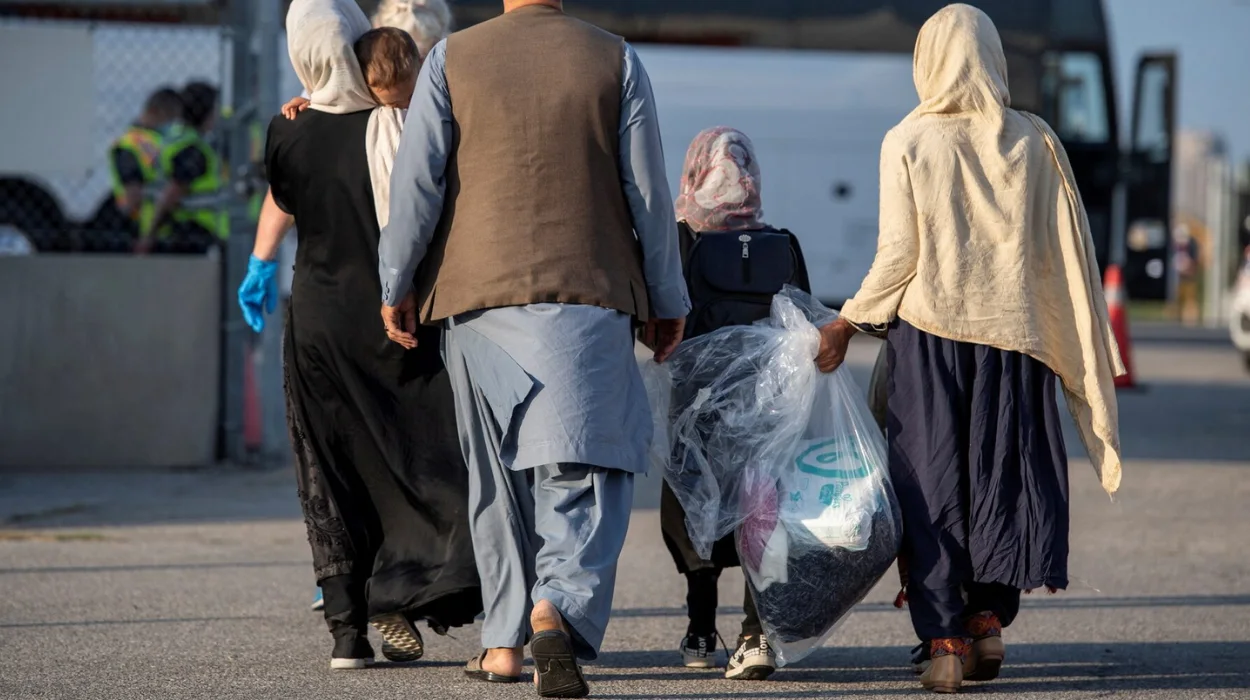
No group feels the UAE’s unsafety more acutely than its 95% migrant workforce, shackled by kafala’s tyrannical sponsorship: passports seized, wages stolen, debts enforced, squalid camps, deportation for complaints—human rights abuses branded modern slavery. Strikes killed only these workers, exposing lethal hierarchies where they staff the hotels and build the ports but get zero protection when missiles fly.
Businesspersons aren’t immune: nationality-based discrimination, toxic workplaces, and legal black holes treat them as disposable, fueling departures amid global rights backlash. Migrants flee en masse; executives follow, rejecting a system where safety is conditional on compliance and skin color.
Visa Traps and No Safety Nets Seal the Departure
The UAE’s residency model screams temporary exploitation: jobs dictate visas, 30 days to re-sponsor or leave—no unemployment aid, no permanence for migrants or professionals. This thrived in boom times but crumbles now: pandemic outflows echoed today’s fears of war-triggered job apocalypse leaving families destitute amid closed skies. Businesspersons with home-country ties cut losses; migrants, rootless and vulnerable, have no choice but exodus.
In sum, migrants and businesspersons are leaving because the UAE is demonstrably unsafe—a missile-magnet economy rigged against them, where glamour masks existential threats. The Dubai model’s crisis is terminal: expats won’t subsidize peril anymore.