

Introduction:
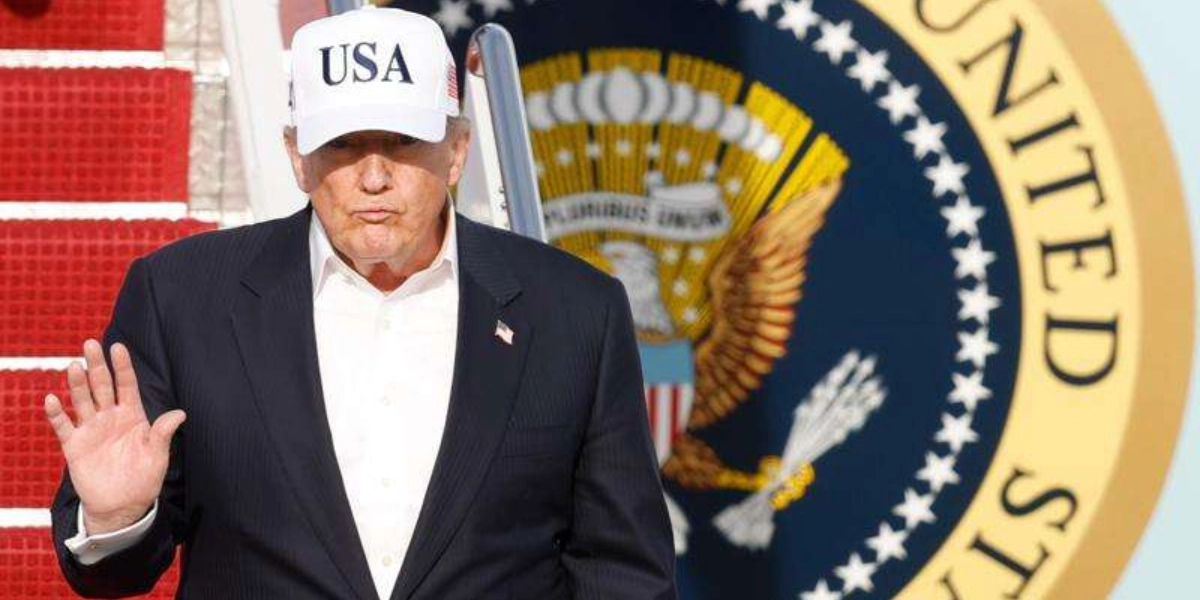
US President Donald Trump is facing mounting challenges in his confrontational approach towards Iran, as escalating tensions surrounding the Strait of Hormuz expose the limits of Washington’s pressure campaign. Despite repeated threats of military action and renewed sanctions, Tehran has shown little sign of yielding to key American demands, while instability in global energy markets is beginning to affect domestic political sentiment in the United States.
Why Is Trump’s Iran Strategy Under Intensifying Scrutiny?
The Trump administration has long relied on a strategy of “maximum pressure” to force Iran into accepting tighter restrictions on its nuclear programme, ballistic missile development and regional military influence. However, recent developments suggest the policy is encountering serious obstacles.
Although Trump claimed this week that “serious negotiations” were under way following requests from Gulf Arab allies, the White House simultaneously maintained that military options remain available if talks fail. The mixed messaging has fuelled uncertainty among diplomats and investors alike.
The latest tensions follow weeks of heightened military threats and a fragile ceasefire between the US and Iran-backed groups across the Middle East. Trump had reportedly approved plans for renewed strikes on Iranian targets before pausing military action ahead of further diplomatic discussions.
Yet Iranian officials have remained defiant. Tehran continues to reject demands to dismantle its nuclear infrastructure or halt support for allied armed groups operating in Gaza, Lebanon, Iraq and Yemen.
How Important Is the Strait of Hormuz to the Global Economy?
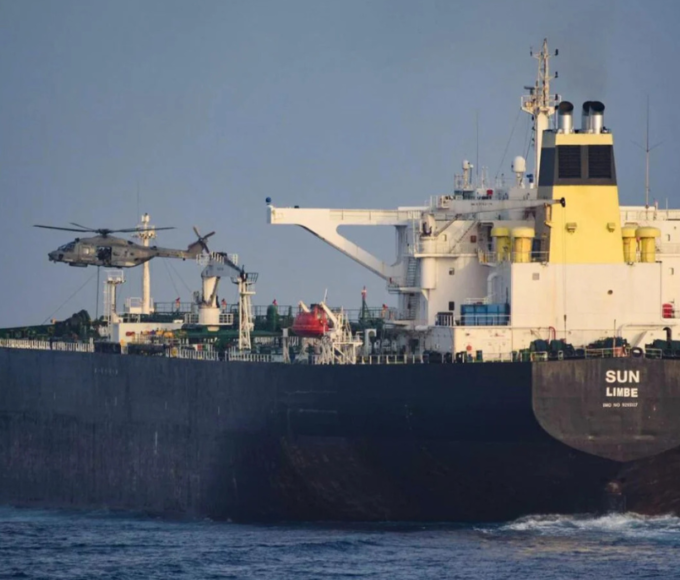
The Strait of Hormuz remains central to the current geopolitical crisis. The narrow waterway, located between Iran and Oman, handles a significant portion of the world’s oil shipments and is regarded as one of the most strategically important maritime routes globally.
Despite increased US naval deployments and restrictions on Iranian shipping activity, Iran retains the capacity to disrupt traffic through the strait. That leverage has contributed to volatility in international oil prices and rising fuel costs across Western economies.
Analysts warn that even temporary disruptions to shipping lanes could have major economic consequences. Higher oil prices have already pushed up petrol costs in the United States, increasing political pressure on the White House ahead of congressional midterm elections later this year.
The uncertainty has also affected global financial markets, with energy traders closely monitoring developments between Washington and Tehran.
What Have Trump and Iranian Officials Said About the Crisis?
Trump has continued to adopt a forceful public tone towards Iran while simultaneously promoting diplomacy as his preferred outcome.
In recent remarks, the US president warned Tehran that “the clock is ticking” and suggested further military action could resume “at a moment’s notice” if negotiations collapse. However, he also indicated that Gulf Arab leaders had urged restraint to allow diplomatic efforts to continue.
The White House defended the administration’s approach by insisting Trump seeks a peaceful resolution while maintaining pressure to prevent Iran from acquiring nuclear weapons.
Iranian officials, meanwhile, have responded with their own warnings. Mohsen Rezaei, a senior adviser to Iran’s Supreme Leader, stated that the country’s armed forces remain prepared for escalation even as diplomatic channels stay open.
The exchange reflects a broader stalemate between the two countries, neither of which appears willing to concede strategic ground.
Why Has Iran Refused to Accept Washington’s Demands?
Iran’s leadership has consistently argued that its nuclear activities are for civilian purposes and that its regional alliances are necessary for national security.
Experts say Tehran views many US demands as politically impossible to accept. Since Trump withdrew from the 2015 nuclear agreement during his first term in office, Iranian authorities have become increasingly sceptical of American guarantees.
Ali Vaez of the International Crisis Group said both Washington and Tehran appear convinced that time favours their respective positions. According to analysts, Iran believes its ability to pressure global energy markets offsets the economic pain caused by sanctions and military threats.
Meanwhile, some former US officials argue Trump may be reluctant to restart large-scale military operations because of concerns from Gulf allies and fears over further energy market disruption.
David Schenker, a former senior State Department official, described the situation as a “stalemate”, with neither side prepared to back down.
How Could Rising Energy Costs Affect American Politics?
The economic impact of the Iran crisis is increasingly becoming a domestic political issue in the United States.
Recent polling indicates Trump’s approval ratings on economic management have weakened amid rising fuel prices. Although the US remains one of the world’s largest energy producers, American consumers are still vulnerable to sudden increases in global oil prices.
The issue could become particularly significant for Republican candidates contesting congressional elections in November. Historically, rising petrol prices have often translated into voter frustration with incumbent governments.
Some Trump allies argue the disruption will prove temporary and insist America’s broader energy dominance will ultimately shield the economy from long-term damage. Nevertheless, analysts caution that prolonged instability in the Gulf could deepen inflationary pressures already affecting households.
What Could Happen Next In The Iran Standoff?
Diplomatic negotiations are expected to continue in the coming weeks, although prospects for a major breakthrough remain uncertain. Both sides continue to project strength publicly while avoiding steps that could trigger full-scale conflict.
The future of the Strait of Hormuz will likely remain a critical factor in determining the direction of the crisis. Any renewed disruption to oil shipments could intensify economic strain globally and increase pressure on political leaders in Washington, Tehran and across the Middle East.
For now, the situation remains highly volatile. The balance between diplomacy and military escalation appears increasingly fragile, with significant implications for international security, global energy markets and domestic politics in the United States. As negotiations continue behind closed doors, governments and investors worldwide will be watching closely for signs of either compromise or confrontation.