

A new debate in Foreign Affairs has revived calls for the United States to withdraw its military forces from the Middle East, arguing that decades of intervention have failed to deliver lasting regional security and have imposed substantial strategic and human costs. The argument, advanced by Michael Fuchs, a former US foreign-policy official, comes after the 2026 war involving the United States, Israel and Iran dramatically exposed the risks of maintaining a large American military presence across the region. The proposal would represent a major shift in US foreign policy, although supporters of continued engagement warn that a rapid withdrawal could create new security vacuums and encourage rival powers to expand their influence.
Why Is the United States Being Urged to Leave the Middle East?
The case for withdrawal rests on the argument that the United States has spent decades attempting to shape the Middle East through military power without producing a stable regional order. Fuchs argues that Washington’s military posture has often generated additional risks while failing to eliminate the threats it was intended to address.
The latest debate has particular significance because it follows the 2026 conflict with Iran. The war demonstrated how quickly US involvement in the region can escalate into a broader confrontation involving American forces, regional allies and critical infrastructure.
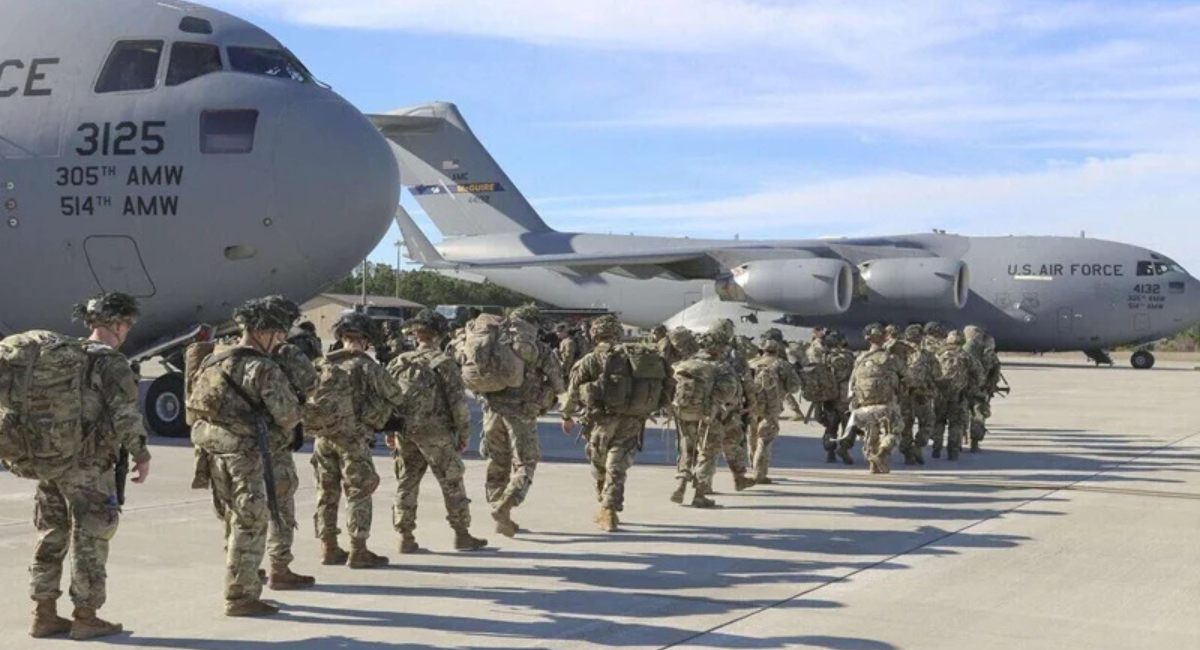
The United States has historically maintained military installations and personnel across the Gulf, Iraq, Syria and other parts of the Middle East. These deployments have supported counter-terrorism operations, protected allies and helped safeguard strategic waterways and energy infrastructure.
However, critics increasingly question whether those objectives justify the continuing costs and risks.
What Does the Foreign Affairs Argument Say About US Military Power?
The argument presented in Foreign Affairs is that American military involvement has become counterproductive. Rather than guaranteeing stability, the continued US presence can make Washington a direct participant in regional rivalries and expose American personnel to retaliation.
Fuchs contends that the experience of the Iran war illustrates this problem particularly clearly. Military action designed to address threats from Tehran instead produced wider instability and created additional dangers for American interests.
The broader argument is not simply that Washington should reduce individual deployments. It calls for a fundamental reassessment of the United States’ role as the region’s principal external security guarantor.
That position builds on a longstanding debate within American foreign-policy circles. Earlier analysts have similarly argued that Washington could reduce its military footprint while retaining diplomatic, economic and intelligence relationships with Middle Eastern states. A 2021 analysis by the Modern War Institute, for example, examined a phased withdrawal and suggested that US forces could be substantially reduced without eliminating American influence altogether.
How Has the Iran War Changed the Debate?
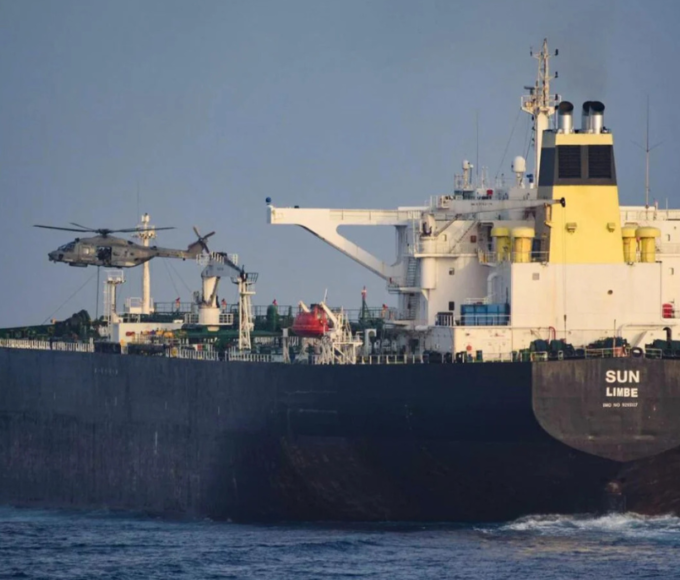
The 2026 conflict has made the question of US involvement more immediate. The confrontation disrupted regional aviation, threatened energy infrastructure and raised concerns over the security of the Strait of Hormuz, one of the world’s most important energy shipping routes.
US military deployments also became more vulnerable to Iranian retaliation. During the escalation, Washington increased its military presence while Iran targeted American and allied interests across the region.
The consequences extended beyond the battlefield. Foreign governments were forced to organise evacuations and emergency travel arrangements for citizens caught amid airspace closures and military strikes. Canada, for example, organised alternative routes and charter arrangements for citizens attempting to leave the region during the conflict.
The disruption demonstrated how a regional military confrontation can quickly become an international economic and diplomatic crisis.
What Are the Arguments Against an American Withdrawal?
Opponents of a full withdrawal argue that leaving the Middle East would not necessarily make the region safer. Instead, they warn that it could reduce deterrence, weaken American allies and encourage other powers to fill the resulting strategic vacuum.
The Gulf states remain heavily dependent on sophisticated American military equipment, intelligence cooperation and air-defence capabilities. Although countries such as Saudi Arabia, the United Arab Emirates and Qatar have expanded relationships with China and other powers, those partnerships do not currently provide a complete substitute for US security guarantees.
A separate Foreign Affairs debate in 2026 has highlighted this dilemma. Analysts Daniel Benaim and Elisa Ewers argued that Gulf governments remain interested in the United States despite growing frustration with Washington, because China and Russia cannot easily replace America’s comprehensive security role.
This creates a central difficulty for any withdrawal strategy: reducing American military involvement without abandoning partners that have relied on Washington for decades.
Could the United States Leave Without Losing Influence?
A military withdrawal would not necessarily mean an end to American influence in West Asia. Diplomacy, trade, sanctions, intelligence-sharing and defence technology could continue even if the number of American troops and bases declined significantly.
Previous proposals for withdrawal have stressed precisely this distinction. The Modern War Institute noted that the United States could retain substantial diplomatic and economic leverage even after removing major elements of its military footprint. It also argued that reducing the burden of Middle Eastern deployments could free American resources for other strategic priorities, particularly Europe and the Indo-Pacific.
Such an approach would therefore involve a transition from direct military management towards diplomacy and limited offshore deterrence.
The challenge would be ensuring that regional states do not interpret withdrawal as American abandonment.
What Would a US Withdrawal Mean for Iran and Gulf States?
Iran would be one of the countries most directly affected by any major change in American military posture. A withdrawal could reduce the likelihood of direct US-Iran confrontation, but it could also provide Tehran with greater freedom to project influence through regional partners.
For Gulf governments, the consequences would be more complicated. States such as Saudi Arabia, the UAE, Qatar, Bahrain and Kuwait would need to strengthen their own defence capabilities and potentially expand security cooperation with European and Asian powers.
Regional governments could also pursue more direct diplomatic arrangements with Iran. Such efforts have already become increasingly important as Gulf states seek to protect economic development, energy infrastructure and trade from the consequences of major-power confrontation.
What Could Happen to US Strategy After the Iran War?
The immediate question is unlikely to be whether Washington suddenly closes all its bases. A complete withdrawal would be a complex logistical and political undertaking, particularly given existing defence agreements and commitments to regional partners.
Instead, the debate is likely to focus on whether the United States should progressively reduce its military footprint while maintaining enough capability to respond to major threats.
That approach could involve fewer permanent deployments, greater reliance on naval and air assets outside the region, stronger regional defence partnerships and increased diplomatic engagement.
The United States would also need to determine how any reduction fits into its wider strategic competition with China and Russia.
What Does the Debate Mean for the Future of West Asia?
The argument that the United States should leave West Asia represents a significant challenge to decades of American strategy. It reflects growing concern that military intervention has repeatedly produced unintended consequences and that Washington’s resources may be better directed towards other priorities.
Yet withdrawal would carry its own risks. The region remains strategically important because of energy supplies, shipping routes, terrorism, nuclear proliferation and the security interests of major US allies.
The most likely next stage is therefore a debate over how much America should withdraw rather than whether it should disappear completely. The experience of the Iran war is likely to intensify scrutiny of US bases, alliances and military commitments across the region.
For policymakers, the central question will be whether a smaller American presence can protect core US interests without recreating the cycle of intervention that critics say has made the region more unstable. How Washington answers that question could shape American foreign policy in West Asia for years to come.