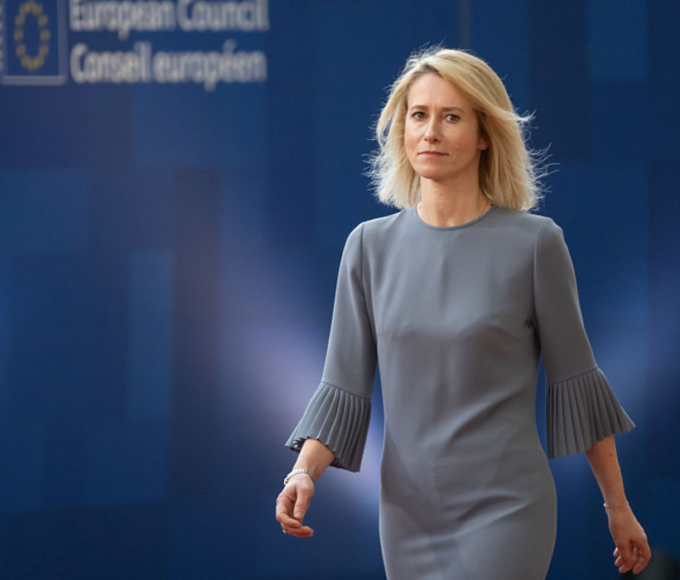


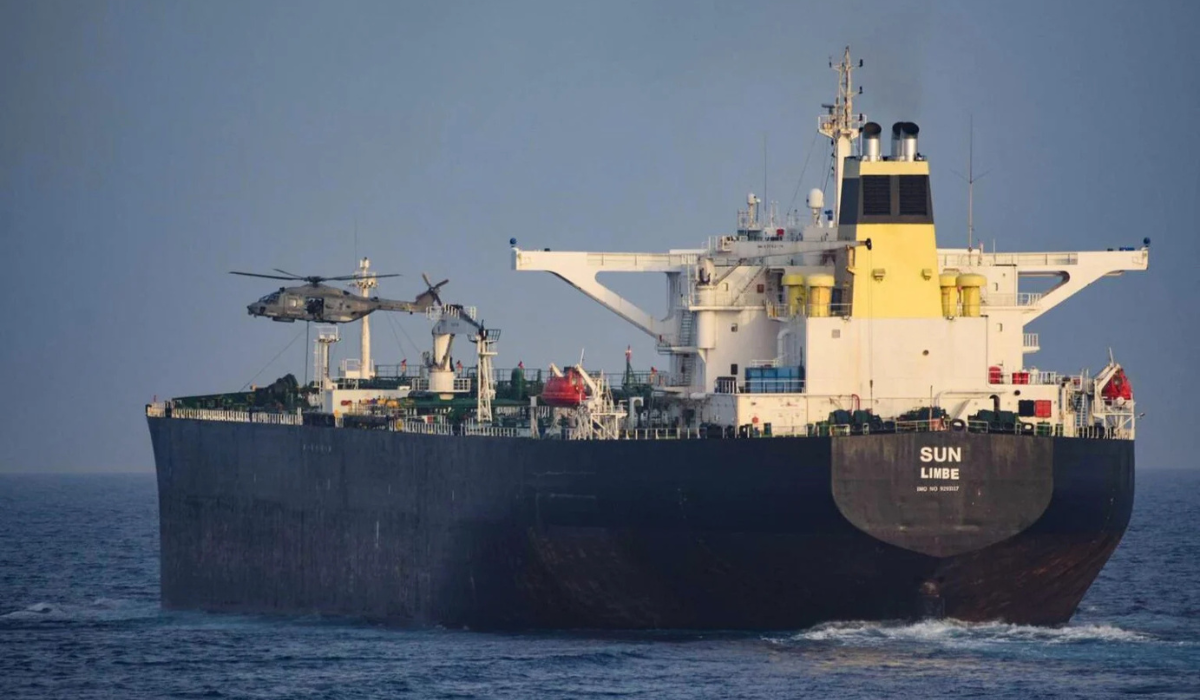
European Union naval forces have boarded an oil tanker suspected of belonging to Russia’s so-called shadow fleet in the Mediterranean, marking a further escalation in the bloc’s efforts to enforce sanctions and disrupt the maritime networks used to transport Russian oil. The vessel, identified as MV Sun, was boarded on 30 August by personnel from EUNAVFOR MED Operation Irini for a flag-verification inspection after suspicions that it was sailing under a false flag. EU foreign policy chief Kaja Kallas said the operation was the sixth such boarding conducted by EU naval operations in recent months.
Why Did EU Naval Forces Intercept the Tanker?
The EU naval operation targeted MV Sun because authorities suspected the vessel was operating under a false flag and was linked to Russia’s shadow fleet, a network of tankers associated with efforts to circumvent Western restrictions on Russian oil exports. The boarding took place in the Mediterranean on 30 August, according to Kallas and reporting from maritime sources.
The inspection was carried out as a flag verification, rather than being described as a seizure or criminal arrest. This distinction is important because establishing a vessel’s nationality and verifying its registration are separate from imposing sanctions or confiscating a ship.
The operation was conducted under the maritime-law framework used by Operation Irini. Previous EU boardings have relied on Article 110 of the United Nations Convention on the Law of the Sea (UNCLOS), which permits warships in certain circumstances to verify the nationality of merchant vessels on the high seas, including where there are reasonable grounds to suspect that a ship is sailing without nationality or under an improper flag.
What Is Known About the MV Sun?
MV Sun is an oil tanker that has been identified by EU authorities as a suspected shadow-fleet vessel. Maritime reporting indicates that the ship has used different flag registrations, with its current registry reported as Cameroon. Its history of changing or disputed registrations has added to scrutiny surrounding its operations.
The vessel is reported to be a large crude-oil tanker with a deadweight capacity of roughly 159,000 tonnes. Vessel records cited by maritime sources indicate that it was built in 2005 and is associated with ownership and management interests in Türkiye.
However, being described as a suspected shadow-fleet vessel does not by itself establish criminal wrongdoing. The EU’s boarding was intended in part to verify the ship’s flag and gather information relevant to determining whether it was operating lawfully.
That distinction is particularly significant in international shipping, where a vessel’s flag determines which state has primary jurisdiction over it.
Why Is Russia’s Shadow Fleet Important to the EU?
The shadow fleet has become a major focus of European sanctions policy because it provides alternative routes for Russian crude oil and petroleum products despite Western restrictions introduced after Russia’s full-scale invasion of Ukraine.
The network generally involves older tankers, complex ownership structures, changing registrations and non-Western insurance or maritime services. These characteristics can make it harder for regulators to establish who ultimately controls a ship, where its cargo originates and whether transactions comply with sanctions.
The EU has expanded its sanctions list to include hundreds of vessels suspected of supporting Russia’s oil trade. Defence and maritime reporting has put the number of EU-sanctioned ships at around 600, although estimates of the wider shadow fleet vary considerably depending on how the term is defined.
For Brussels, the issue is not simply maritime regulation. The EU considers Russian oil revenue an important source of funding for Moscow’s war effort.
Kallas said illegal oil sales from shadow-fleet ships represented a “critical lifeline” for Russia and pledged that the EU would continue efforts to disrupt the trade.
How Has Operation Irini’s Role Changed?
Operation Irini was established in 2020 with a primary mission of enforcing the United Nations arms embargo on Libya. Its responsibilities have subsequently expanded, including greater maritime surveillance and the ability to conduct flag-verification boardings involving suspected shadow-fleet vessels.
The change represents a significant development in the EU’s maritime sanctions strategy.
Rather than relying solely on financial restrictions and port-access measures, EU governments are increasingly using naval assets to gather evidence and challenge suspicious shipping activity directly at sea.
The boarding of MV Sun follows earlier operations involving vessels including South Star and Toa Payoh. In the Toa Payoh case, an Italian-led EU force boarded the sanctioned tanker near Pantelleria after its master initially failed to cooperate. The vessel was subsequently allowed to continue its voyage because the EU force did not have authority simply to seize the ship on the basis of the inspection.
What Could the Latest Boarding Mean for European Sanctions Enforcement?
The latest operation demonstrates that EU sanctions enforcement is moving beyond monitoring shipping records and financial transactions towards more direct maritime scrutiny.
For tanker operators, the development could increase the risks associated with disputed registrations, opaque ownership structures and voyages involving sanctioned Russian cargoes. Shipowners, charterers, insurers, banks and commodity traders could all face greater compliance pressure as European governments examine the wider networks supporting high-risk shipping.
The operations also have implications for maritime insurance and due diligence. Companies dealing with vessels suspected of shadow-fleet activity may face heightened scrutiny over beneficial ownership, flag status, cargo origin, sanctions exposure and documentation.
At the same time, the EU must balance enforcement with established principles of freedom of navigation and international maritime law. A flag-verification boarding is therefore a carefully defined legal action rather than an unrestricted power to stop and confiscate commercial vessels.
What Are EU Defence Ministers Expected to Discuss Next?
The shadow fleet was due to feature prominently at an informal meeting of EU defence ministers in Ireland on 1 September, according to Kallas. The meeting comes as member states consider how far they should go in strengthening maritime enforcement against vessels suspected of helping Russia evade sanctions.
The timing is significant because European countries are adopting different approaches.
Some governments have favoured inspections and evidence gathering, while others have pursued stronger measures against particular vessels. France and several other European states have previously taken steps to detain or divert suspected vessels under national legal authorities.
There is also a wider security dimension. Russian President Vladimir Putin warned in August that Moscow could retaliate if European countries began seizing Russian-linked commercial vessels, raising concerns that tougher enforcement could create additional tensions at sea.
What Happens Next for the Russian Shadow Fleet?
The boarding of MV Sun is unlikely to be an isolated incident. The EU has already demonstrated a willingness to use naval missions to verify the status of suspicious tankers, while Operation Atalanta has also been authorised to conduct flag-verification boardings of suspected Russian shadow-fleet vessels in the western Indian Ocean.
The broader effect will depend on whether inspections translate into stronger sanctions enforcement, legal action or restrictions on the vessels and companies involved.
For European governments, the challenge will be to close loopholes without unnecessarily disrupting legitimate global shipping. For Russia, continued access to alternative oil-shipping networks remains strategically important as Western governments seek to reduce the revenues available to support its war effort.
The EU naval interception of MV Sun therefore marks more than another tanker inspection. It signals the bloc’s growing readiness to use maritime power alongside economic sanctions. With further measures against the shadow fleet under discussion, shipping companies, insurers, traders and governments will be watching closely for whether future operations involve more extensive inspections, detentions or seizures.