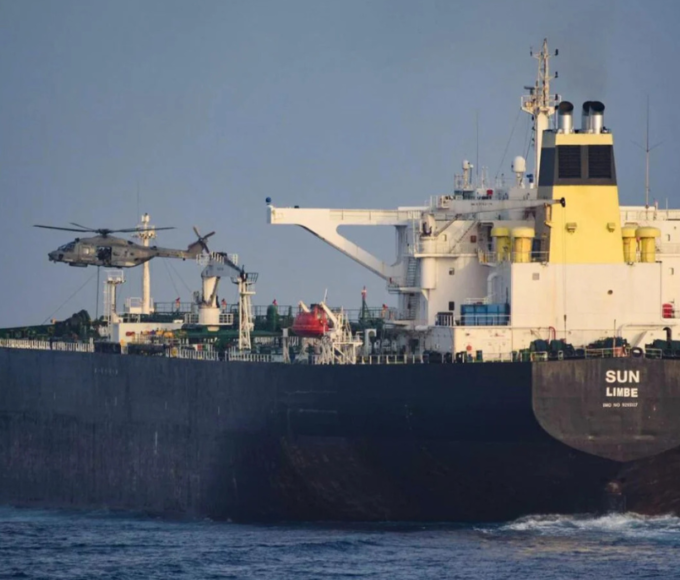


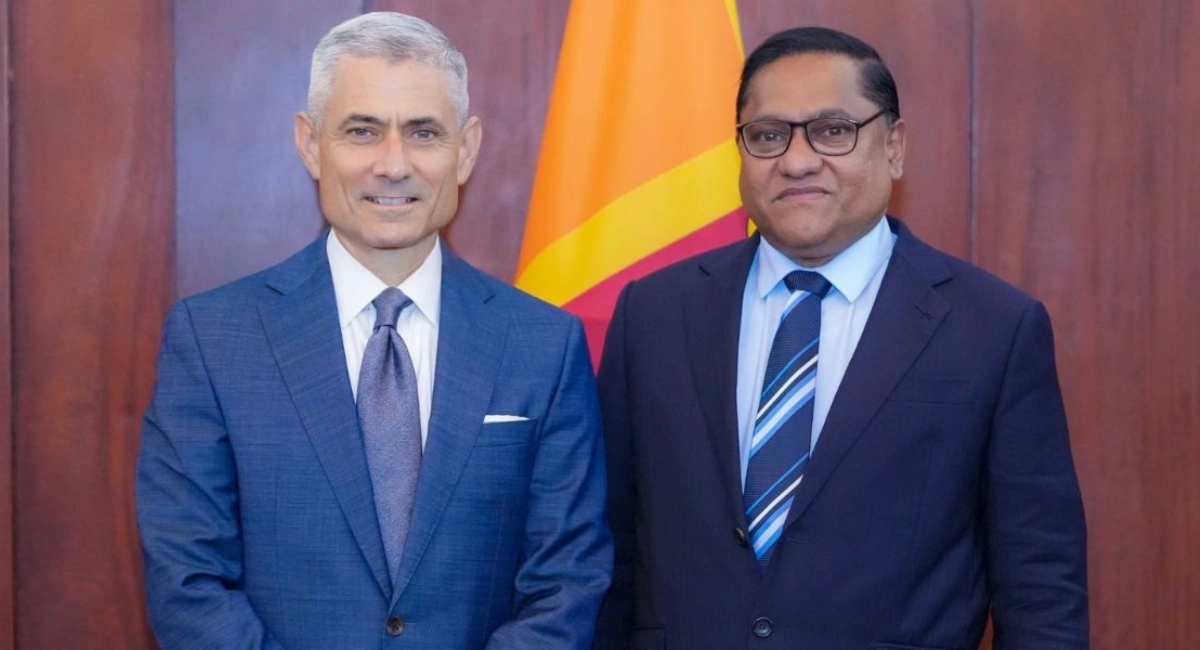
Sri Lanka has reaffirmed its commitment to a neutral foreign policy during high-level discussions with the United States, underscoring Colombo’s effort to maintain strategic balance amid shifting global geopolitical tensions. The talks, held against the backdrop of intensifying competition between major powers in the Indo-Pacific region, focused on economic cooperation, maritime security, and diplomatic engagement. Officials on both sides described the discussions as constructive, while Sri Lanka reiterated that it does not intend to align itself formally with any geopolitical bloc. The reaffirmation comes as the island nation seeks to stabilise its international partnerships following recent economic and political challenges.
Why Is Sri Lanka’s Neutral Foreign Policy Gaining Attention Now?
Sri Lanka’s neutral foreign policy has drawn renewed attention due to rising strategic competition in the Indo-Pacific, particularly involving the United States, China, and India. The country occupies a key maritime position along vital global shipping routes in the Indian Ocean, making its diplomatic stance highly significant. Analysts note that Colombo’s location gives it outsized geopolitical relevance despite its relatively small economic size. In recent years, Sri Lanka has faced pressure to balance infrastructure partnerships, debt dependencies, and security cooperation with competing global powers. This has made neutrality not only a diplomatic preference but also a practical necessity.
What Was Discussed in the Talks with the United States?
During the latest discussions, officials from both sides reportedly focused on strengthening economic recovery, enhancing trade relations, and expanding maritime security cooperation. Sri Lankan representatives emphasised that engagement with Washington remains a priority, particularly in areas such as development assistance, investment, and governance reform. At the same time, Colombo stressed that such cooperation would remain consistent with its non-aligned foreign policy approach. US officials, according to diplomatic sources, reiterated their interest in supporting regional stability and promoting open sea lanes in the Indian Ocean region. The dialogue was described as part of an ongoing strategic engagement rather than a policy shift.
How Does Sri Lanka Define Its Neutral Foreign Policy Position?
Sri Lanka’s neutral foreign policy is officially framed around non-alignment, meaning the country avoids formal military or political alliances with major global powers. Instead, Colombo seeks to engage broadly with all partners while safeguarding national sovereignty and economic independence. This approach has historical roots dating back to the Cold War era, when Sri Lanka was a founding member of the Non-Aligned Movement. Today, the policy is increasingly interpreted as a balancing act between economic pragmatism and geopolitical caution. Government officials maintain that neutrality allows Sri Lanka to maximise foreign investment and diplomatic flexibility without becoming entangled in power rivalries.
What Are the Regional and Global Implications?
Sri Lanka’s position carries broader implications for Indo-Pacific security dynamics. The Indian Ocean has become a central theatre for trade routes, naval strategy, and infrastructure investment competition. A neutral stance by Colombo is seen as stabilising by some observers, as it reduces the likelihood of alignment-based tensions in the region. However, others argue that maintaining neutrality in a highly polarised global environment may become more difficult over time. Strategic analysts also point out that Sri Lanka’s economic vulnerabilities could influence how independently it can sustain its foreign policy choices in practice.
What Challenges Could Impact This Foreign Policy Approach?
Despite reaffirming neutrality, Sri Lanka faces significant structural challenges that could test this position. The country continues to manage external debt pressures, economic recovery efforts, and domestic political transitions. These factors often require international financial support, which can come with strategic expectations or diplomatic conditions. Additionally, evolving security concerns in the Indian Ocean region may increase pressure for closer cooperation with major powers. Maintaining a consistent non-aligned stance will therefore depend on both economic resilience and diplomatic agility.
What Happens Next in Sri Lanka-US Relations?
Looking ahead, Sri Lanka and the United States are expected to continue structured diplomatic engagement through economic cooperation frameworks and regional security dialogues. Further meetings may focus on trade facilitation, climate resilience, and maritime governance. While no immediate policy shifts are anticipated, both sides are likely to deepen communication channels to manage shared interests. Observers will be watching closely to see whether Sri Lanka can maintain its neutral foreign policy while expanding practical cooperation with Washington.
Sri Lanka’s reaffirmation of its neutral foreign policy underscores its ongoing effort to navigate complex geopolitical currents in the Indo-Pacific. As competition between global powers intensifies, Colombo’s ability to maintain balance will remain a critical test of its diplomatic strategy. The outcome will have implications not only for its own economic and security interests, but also for broader regional stability. Continued engagement with the United States suggests a pragmatic approach, but the durability of neutrality will depend on how effectively Sri Lanka manages external pressures in the months and years ahead.