

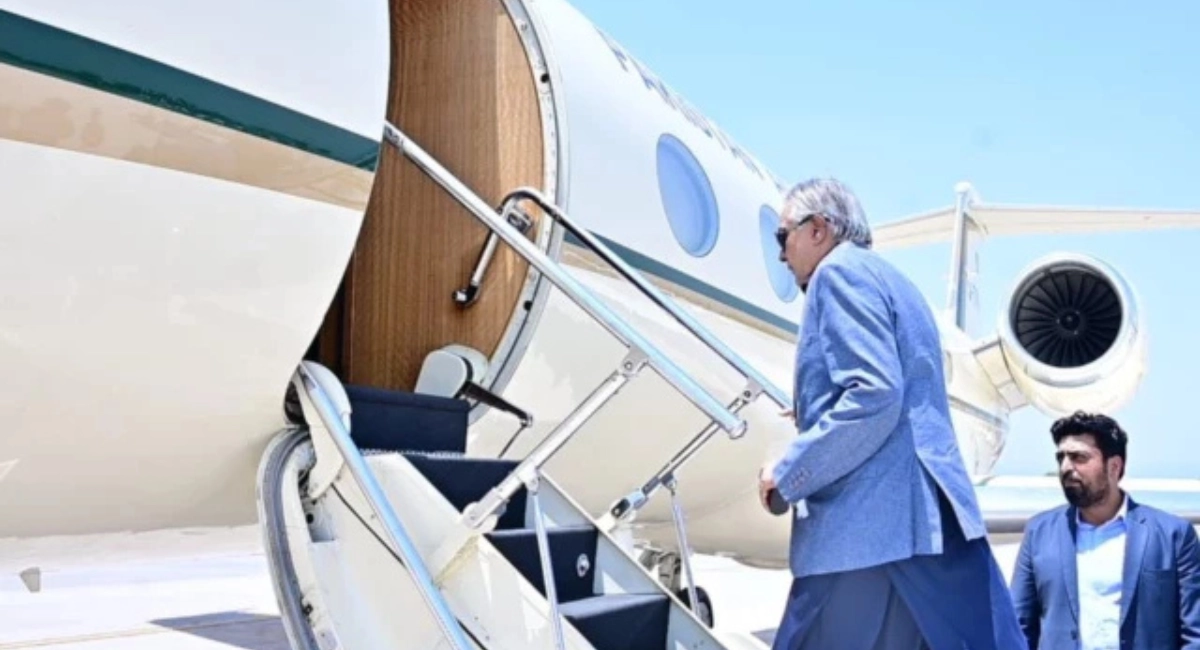
Pakistan’s Deputy Prime Minister and Foreign Minister Ishaq Dar has departed for Cairo to participate in the R-4 foreign ministers meeting, a high-level diplomatic engagement aimed at strengthening coordination among participating states on regional and international issues. The visit comes at a time of heightened geopolitical uncertainty, with ongoing discussions around economic stability, security cooperation, and multilateral diplomacy shaping the broader agenda.
According to official sources, FM Dar’s participation underscores Pakistan’s continued emphasis on active engagement in regional dialogue frameworks. The R-4 platform is expected to provide an opportunity for foreign ministers to exchange views on shared challenges and explore avenues for enhanced cooperation.
Why Is The R-4 Foreign Ministers Meeting Taking Place In Cairo?
The R-4 foreign ministers meeting is being held in Cairo as part of ongoing diplomatic consultations among participating countries seeking to strengthen coordination on regional political and economic matters. Cairo, as a longstanding hub of Arab and international diplomacy, provides a neutral and strategic setting for such high-level engagements.
The meeting is expected to focus on regional stability, diplomatic coordination, and emerging global challenges. While official agendas often remain fluid until discussions begin, such gatherings typically address political developments, security concerns, humanitarian issues, and economic cooperation frameworks.
What Is FM Dar’s Diplomatic Agenda In Cairo?
FM Dar’s visit to Cairo is centred on representing Pakistan’s foreign policy priorities within the R-4 framework. His participation is expected to reflect Islamabad’s position on key regional developments, including economic cooperation, multilateral engagement, and diplomatic conflict resolution.
Officials indicate that Pakistan aims to strengthen its role in regional forums by advocating dialogue-based solutions and expanded economic collaboration. FM Dar is also expected to hold bilateral discussions on the sidelines of the meeting, focusing on trade, investment, and broader diplomatic ties.
Although specific bilateral engagements have not been fully disclosed, such meetings often serve as an opportunity for behind-the-scenes diplomacy, enabling participating states to align positions on pressing international issues.
How Does This Meeting Fit Into Regional Diplomacy Trends?
The R-4 foreign ministers meeting reflects a broader trend of increased regional diplomatic engagement amid shifting global alliances. Countries are increasingly relying on multilateral platforms to address shared challenges such as energy security, economic instability, and regional conflicts.
For Pakistan, participation in such frameworks is seen as part of a wider strategy to maintain diplomatic visibility and strengthen ties with key regional partners. The presence of Ishaq Dar at the meeting signals continuity in Pakistan’s engagement with structured diplomatic groupings.
Analysts note that regional forums like R-4 often complement larger international institutions by allowing more focused dialogue among geographically or politically aligned states. These meetings can also act as confidence-building platforms during periods of geopolitical tension.
What Did Officials Indicate About The Expected Outcomes?
While detailed official statements remain limited ahead of the meeting, diplomatic sources suggest that discussions are expected to emphasise consensus-building and practical cooperation.
Key expected outcomes include enhanced communication between foreign ministries, alignment on shared regional priorities, and potential groundwork for future joint initiatives. Officials have also highlighted the importance of maintaining open diplomatic channels at a time of global uncertainty.
However, as with many multilateral gatherings, the outcomes will depend on the level of agreement reached during discussions. Any joint communiqué or final statement will likely reflect negotiated consensus rather than unilateral positions.
Why Does FM Dar’s Visit Matter For Pakistan’s Foreign Policy?
FM Dar’s participation in the Cairo meeting highlights Pakistan’s ongoing efforts to remain actively engaged in regional diplomacy. Such engagements allow Islamabad to present its perspective on international issues while also strengthening bilateral and multilateral relationships.
The visit also comes at a time when countries across the region are reassessing economic partnerships and diplomatic alignments. For Pakistan, maintaining an active presence in such forums is considered essential for advancing economic and strategic interests.
Furthermore, participation in R-4 discussions may provide opportunities to explore cooperation in trade, investment, and regional connectivity initiatives, all of which are central to Pakistan’s long-term foreign policy objectives.
What Happens Next After The Cairo Meeting?
Following the conclusion of the R-4 foreign ministers meeting in Cairo, attention will turn to any joint statements or diplomatic outcomes agreed upon by participating countries. FM Dar is expected to brief relevant authorities upon his return, outlining key developments and areas of consensus.
The broader implications of the meeting will depend on whether participating states can translate dialogue into actionable cooperation. If successful, the R-4 framework could serve as a continued platform for regional coordination and diplomatic engagement.