

Iran has sought to clarify the nature of Field Marshal Asim Munir’s recent diplomatic engagement with Tehran, saying Pakistan’s army chief did not carry either a positive or negative message from Washington. The comments came as Pakistan continues efforts to reduce tensions between Iran and the United States, while Tehran maintains that it will not accept negotiations based on unilateral American demands. Iranian Foreign Ministry spokesman Esmaeil Baghaei said Pakistan and other countries were attempting to reduce tensions, but stressed that Iran would assess its next steps according to circumstances on the ground.
What did Iran say about Asim Munir’s message?
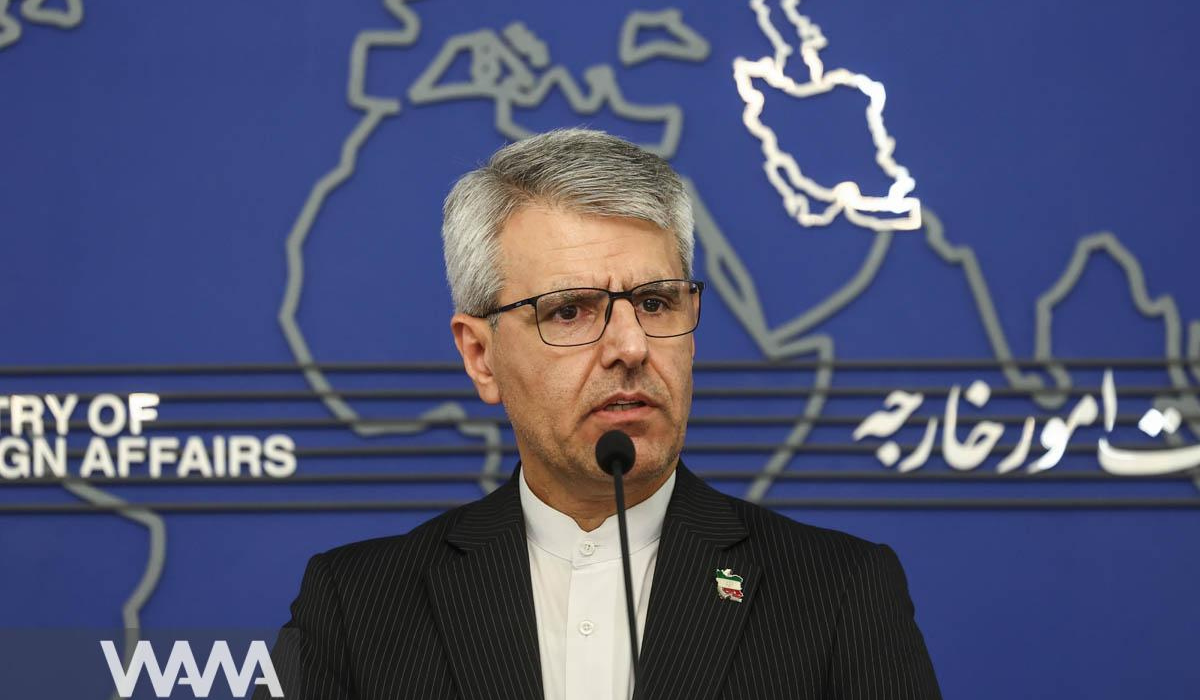
Iranian Foreign Ministry spokesman Esmaeil Baghaei said on Tuesday that Asim Munir had carried neither a positive nor a negative message during his engagement with Tehran. The statement provides an important qualification to earlier reports suggesting that the Pakistani military chief had travelled to Iran specifically to deliver a US proposal for restarting stalled negotiations.
Baghaei’s comments indicate that Tehran views Munir’s involvement primarily through the broader diplomatic effort to reduce tensions rather than as a direct channel for accepting Washington’s terms. Iran has repeatedly insisted that any diplomatic process must respect its interests and sovereignty.
The comments also come after conflicting accounts emerged following Munir’s 24 August visit to Tehran. Iranian lawmaker Abbas Golrou had previously said Munir conveyed a US message urging Iran to return to the June Islamabad memorandum of understanding. However, another Iranian account subsequently said Munir had not delivered a threat or similar message and that Tehran had instead communicated its own conditions to Pakistan.
Why is Iran rejecting American dictates?
Iran’s position centres on its opposition to negotiations conducted through pressure or unilateral conditions. Tehran has argued that a genuine negotiation requires reciprocal commitments rather than one side imposing demands on the other.
That position was also evident during Munir’s August visit. Iranian President Masoud Pezeshkian reportedly urged Washington to change its tone and approach, warning that reliance on force and coercion would complicate the diplomatic process. Parliament Speaker Mohammad Bagher Ghalibaf similarly argued that the United States needed to honour its commitments under the earlier memorandum.
The dispute therefore extends beyond the question of whether talks should resume. Tehran and Washington remain divided over the terms on which negotiations would take place, including sanctions, security guarantees and arrangements surrounding the strategically important Strait of Hormuz.
What role is Pakistan playing in the Iran-US dispute?
Pakistan has increasingly positioned itself as an intermediary between Tehran and Washington. Islamabad has maintained diplomatic channels with both sides and has sought to prevent the conflict from developing into a wider regional confrontation.
Munir’s 24 August visit was presented by Pakistan as part of those mediation efforts. Pakistan’s Foreign Office has rejected claims that the army chief travelled to Tehran as an envoy of US President Donald Trump, describing the visit instead as part of Islamabad’s independent diplomatic role.
Munir’s diplomatic importance has nevertheless increased because he has maintained contact with senior figures on both sides. Reuters reported before the Tehran visit that Munir had spoken with Trump, while Pakistani sources said the call was initiated by the US president. The precise contents of that conversation were not publicly disclosed.
What happened during Munir’s Tehran visit?
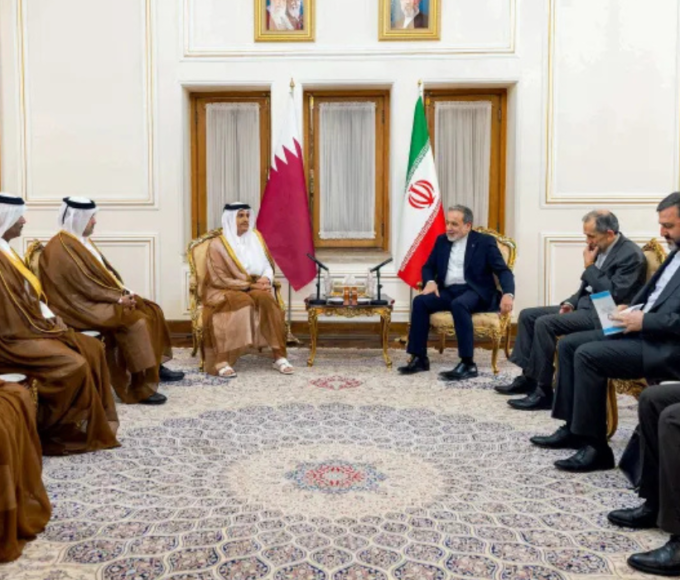
During the August visit, Munir met several senior Iranian officials, including President Pezeshkian, Parliament Speaker Ghalibaf, Foreign Minister Abbas Araghchi, Interior Minister Eskandar Momeni and Mohsen Rezaei, the secretary of Iran’s Supreme National Security Council.
The discussions reportedly covered the wider Iran-US confrontation, regional tensions, the Strait of Hormuz and possible steps towards restoring the Islamabad memorandum.
Pakistan’s Interior Minister Mohsin Naqvi described the meeting with Pezeshkian as highly positive and productive, saying significant progress had been made. Iranian officials also described the visit positively, although their public statements continued to emphasise Tehran’s concerns about US policy.
The differing emphasis is significant. Islamabad has highlighted the possibility of diplomatic progress, while Iranian officials have continued to insist that Washington must change its approach before a meaningful settlement can emerge.
Why is the Strait of Hormuz central to the negotiations?
The Strait of Hormuz has become one of the most important issues in the dispute because it is a critical route for global energy supplies. Disruption in the waterway has already created concerns over oil shipments, insurance costs and wider supply chains.
Pakistan has specifically sought to help facilitate discussions concerning the reopening and security of the strait. Iranian negotiators, meanwhile, have linked the issue to the implementation of provisions contained in the earlier Islamabad memorandum.
Recent reporting indicated that oil flows through the strait had fallen sharply from pre-war levels, underlining the economic consequences of the confrontation.
For international markets, any deterioration around the waterway could have consequences far beyond the Middle East. Energy prices, shipping costs and inflation expectations could all be affected if the crisis escalates.
How are US sanctions affecting the diplomatic process?
US economic pressure remains one of the principal obstacles to renewed negotiations. Washington has continued to impose sanctions and other restrictions on Iran while seeking to pressure Tehran into changing its policies.
Iran has responded by portraying the sanctions and naval blockade as acts of aggression rather than legitimate negotiating instruments. The Iranian Foreign Ministry said on Tuesday that Tehran would make decisions according to prevailing circumstances while focusing on what it described as defence and resistance against US pressure.
This creates a difficult environment for mediation. Pakistan can facilitate communication, but it cannot compel either Washington or Tehran to accept the other side’s conditions.
Could Pakistan’s mediation produce a breakthrough?
Pakistan’s diplomatic role remains potentially significant, but expectations of an immediate breakthrough need to be treated cautiously. Earlier mediation produced an Islamabad memorandum, yet subsequent developments prevented the arrangement from becoming a durable settlement.
The latest diplomatic activity suggests that channels of communication remain open. On 1 September, Pakistan’s Deputy Prime Minister and Foreign Minister Ishaq Dar met his Iranian counterpart Abbas Araghchi on the sidelines of the Shanghai Cooperation Organisation summit. The two sides discussed the Islamabad memorandum and agreed that sincere implementation by both parties was necessary.
That meeting indicates that Islamabad continues to pursue the memorandum as a possible framework for de-escalation.
However, the central disagreement remains unresolved. Iran wants what it regards as reciprocal implementation and an end to coercive US measures, while Washington has continued to use sanctions and economic pressure as leverage.
What could happen next between Iran and the United States?
The immediate future of the diplomatic process will depend largely on whether Iran and the United States can agree on the basic conditions for renewed negotiations.
Baghaei’s latest comments suggest Tehran is not closing the door entirely to diplomacy, but neither is it signalling acceptance of American demands. His description of Munir’s message as neither positive nor negative reinforces the impression that Pakistan’s role is currently one of facilitation rather than delivering a breakthrough settlement.
For Pakistan, maintaining credibility with both sides will be crucial. Islamabad will need to demonstrate that it can transmit messages without being perceived as acting on behalf of either Washington or Tehran.
The wider implications are also substantial. Continued confrontation could keep pressure on energy markets and shipping routes, while a successful diplomatic process could reduce risks surrounding the Strait of Hormuz and create space for broader negotiations.
For now, the clearest signal from Tehran is that diplomacy remains possible, but Iran does not intend to enter negotiations simply to accept US conditions. With sanctions, maritime tensions and competing interpretations of previous agreements still unresolved, the next phase of Pakistani mediation could prove critical. Developments in the Iran-US talks, the future of the Islamabad memorandum and the situation in the Strait of Hormuz will therefore remain key indicators of whether the latest diplomatic efforts can move beyond messages towards a sustainable settlement.