

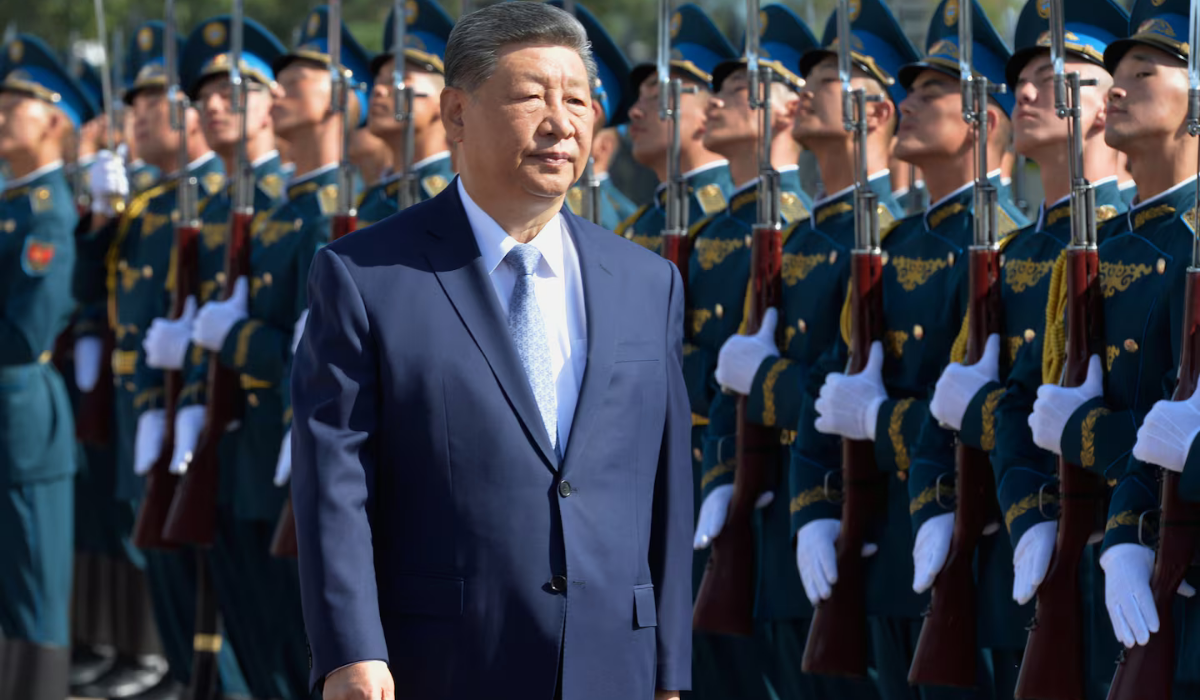
Leaders from China, Russia and India are gathering in Bishkek, Kyrgyzstan, for a summit of the Shanghai Cooperation Organisation (SCO), a grouping increasingly presented as a counterweight to US global influence. Chinese President Xi Jinping, Russian President Vladimir Putin and Indian Prime Minister Narendra Modi are among the prominent figures attending the two-day meeting, alongside leaders from other member states including Iran, Pakistan and Belarus. The summit comes as major powers seek to deepen non-Western diplomatic and economic relationships while navigating significant disagreements among themselves.
Why is the SCO summit attracting global attention?
The meeting is attracting attention because of the weight of the countries represented and the organisation’s increasingly prominent role in Eurasian diplomacy. The SCO was established in 2001 by China, Russia and four Central Asian states as a regional security forum. It has since expanded significantly and now includes 10 member countries.
The organisation includes several states that have difficult or adversarial relations with Washington. Russia and Iran, in particular, regard the forum as an important channel for strengthening relationships with countries outside the Western alliance system.
However, describing the SCO simply as an anti-US alliance would overlook its internal divisions. The organisation is not a formal political or military bloc, and its members have different foreign-policy priorities, economic interests and security concerns.
What are Xi Jinping, Vladimir Putin and Narendra Modi expected to discuss?
The presence of Xi, Putin and Modi gives the summit particular diplomatic significance. Their countries represent three major powers with overlapping interests but also substantial differences, particularly over regional security and strategic influence.
Putin is expected to use the gathering to reinforce Russia’s relationships with non-Western partners as Moscow remains involved in its war in Ukraine. Iran, which is also participating, is facing its own confrontation with the United States and Israel, making its engagement with Russia and other SCO members especially significant.
Xi is likely to emphasise China’s vision of a more multipolar international system and stronger regional cooperation. The summit also gives Beijing an opportunity to demonstrate its diplomatic influence across Central Asia and the wider Eurasian region.
For Modi, the calculations are more complex. India maintains important relationships with both Western countries and Eurasian powers, while its rivalry with China and tensions with Pakistan remain central considerations.
How important is the summit for India?
For India, the SCO provides a diplomatic platform that allows New Delhi to engage simultaneously with China, Russia, Central Asian states and other regional powers.
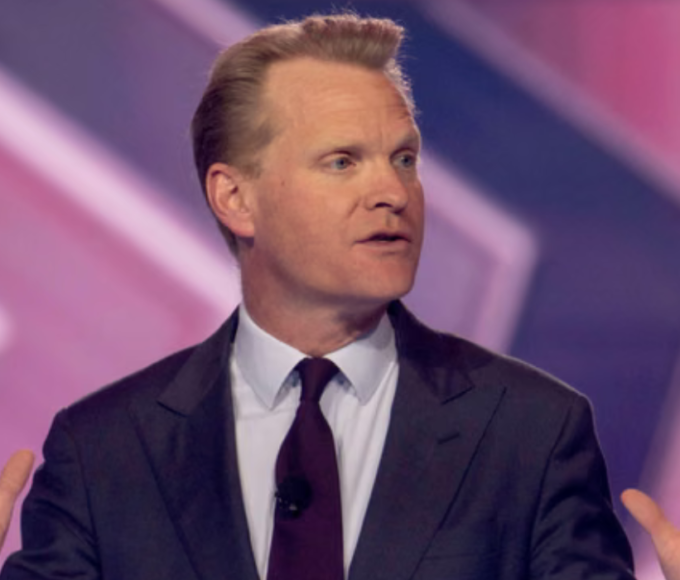
Dinakar Peri, a fellow in security studies at Carnegie India, said the organisation gives India a seat at a table where important regional developments are being discussed. He argued that participation enables New Delhi to monitor changing geopolitical dynamics while protecting its own interests and maintaining flexibility.
That balancing role is important because India has strengthened its strategic relationship with the United States in recent years while continuing longstanding defence, energy and diplomatic ties with Russia.
India’s participation therefore does not necessarily indicate alignment with a China- or Russia-led geopolitical bloc. Instead, the SCO can serve as another instrument of India’s broader strategy of maintaining relationships with competing centres of power.
Could the summit strengthen China-Russia relations?
The summit provides another opportunity for Beijing and Moscow to demonstrate close diplomatic ties. Putin and Xi are scheduled to hold one-on-one talks on the sidelines of the meeting, adding bilateral significance to the wider SCO gathering.
Russia has increasingly relied on China for trade and diplomatic support as its relations with the US and European countries have deteriorated following the invasion of Ukraine. China, meanwhile, has sought to maintain strategic cooperation with Moscow while avoiding a direct military confrontation with Western powers.
Their relationship is therefore important but not without limits. Beijing and Moscow have different economic interests and long-term priorities, and China remains cautious about developments that could damage its own international trade relationships.
What role could Iran play at the meeting?
Iran is another important participant as it seeks stronger ties with non-Western partners amid its confrontation with the US and Israel.
Iranian President Masoud Pezeshkian is scheduled to attend the SCO summit, while Putin is expected to hold separate talks with him on Tuesday.
Tehran’s participation highlights the broader expansion of the SCO beyond its original Central Asian security focus. For Iran, membership provides access to major economic and diplomatic partners at a time when Western sanctions and geopolitical tensions continue to constrain its international relationships.
For Russia and China, closer engagement with Iran also strengthens their presence in a strategically important part of the Middle East.
Does the SCO really represent a united challenge to US influence?
The SCO’s growing membership gives it considerable diplomatic reach, but its ability to operate as a unified counterweight to Washington remains limited.
Its members have competing interests and, in some cases, direct rivalries. India and Pakistan are both members despite their longstanding disputes, while India and China have their own strategic and border tensions. The organisation must therefore accommodate countries whose interests do not always align.
Analysts have consequently described the SCO as a platform for strategic signalling and diplomatic engagement rather than a cohesive alternative to institutions such as NATO or the G7.
The distinction matters. A larger SCO may demonstrate that international power is becoming more dispersed, but that does not automatically translate into coordinated policy against the United States.
What does Türkiye’s involvement reveal about the changing balance?
Türkiye is also seeking a greater role within the organisation. Ankara has held dialogue-partner status since 2012 and President Recep Tayyip Erdogan has repeatedly expressed an interest in full membership.
Türkiye’s position illustrates the flexibility of the SCO. As a NATO member with close economic ties to the European Union, Türkiye simultaneously maintains relationships with Russia, China and other Eurasian powers.
Its interest in the organisation reflects a wider trend in which countries are attempting to avoid being locked into a single geopolitical camp. Instead, governments are increasingly pursuing multiple diplomatic and economic partnerships according to their national interests.
What could happen after the SCO summit?
The immediate outcome is likely to centre on diplomatic agreements, bilateral meetings and declarations rather than the creation of a formal alternative to the US-led international system.
The significance of the summit may instead emerge gradually through closer economic cooperation, energy relationships, regional security arrangements and diplomatic coordination among its members.
For China and Russia, the meeting offers an opportunity to project stronger non-Western cooperation. For India and other members, it provides a platform for maintaining strategic autonomy. For smaller Central Asian states, the SCO remains a means of engaging with several major powers simultaneously.
The broader development to watch is whether the organisation can turn its expanding membership into practical cooperation despite internal rivalries. If it can, the SCO could become an increasingly influential component of a more fragmented and multipolar international system. If divisions persist, its influence is likely to remain primarily diplomatic and symbolic rather than institutional.