

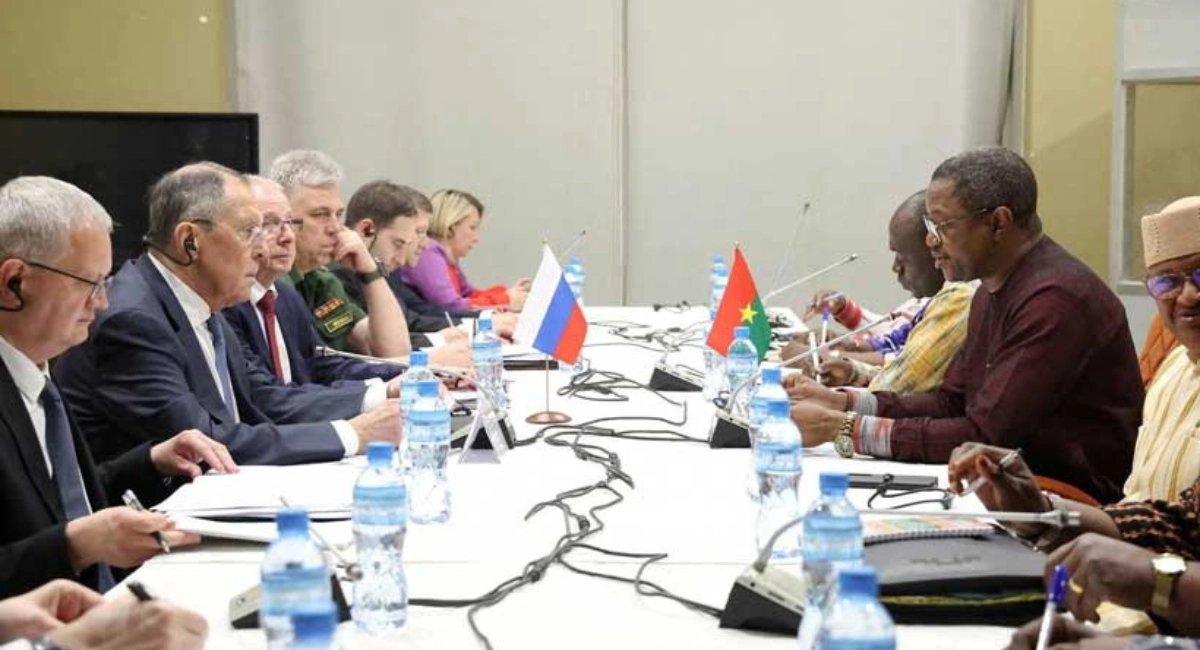
Russia is intensifying its efforts to strengthen political, economic and security ties with Francophone African states as geopolitical competition on the continent continues to evolve. The strategy reflects Moscow’s broader ambition to expand its influence in regions where traditional Western powers, particularly France, have experienced declining political and military influence. Through diplomatic engagement, defence cooperation, economic agreements and information campaigns, Russia is seeking to position itself as an alternative international partner for several African governments facing security and governance challenges.
The policy has attracted growing attention from analysts and policymakers as countries across West and Central Africa reassess long-standing international partnerships. While some governments view closer relations with Russia as an opportunity to diversify foreign policy and security cooperation, others caution that the long-term implications remain uncertain.
Why Is Russia Increasing Its Focus on Francophone African States?
Russia’s renewed engagement reflects a broader foreign policy objective of expanding its global presence while strengthening partnerships outside Europe and North America. Francophone African countries have become an important area of interest as political transitions, military coups and changing public opinion reshape regional alliances.
Several governments have expressed interest in diversifying international partnerships, particularly in defence, mining, energy and infrastructure. Russia has sought to respond by offering military cooperation, diplomatic support and economic engagement without many of the political conditions commonly associated with Western assistance.
Analysts note that Moscow has increased high-level diplomatic visits, organised summits with African leaders and signed a range of bilateral agreements covering trade, education and security.
How Has France’s Changing Role Created New Opportunities?
France has historically maintained extensive political, military and economic influence across many Francophone African nations. However, recent years have seen growing criticism of France’s regional role, particularly following military interventions and broader debates over sovereignty.
Several countries have reduced or ended defence cooperation agreements with France while seeking alternative international partners. These developments have created diplomatic space that Russia has actively attempted to fill.
Political observers argue that changing public sentiment, combined with domestic political transitions, has accelerated the search for new strategic relationships across parts of the region.
What Security Partnerships Is Russia Promoting?
Security cooperation remains one of the central pillars of Russia’s engagement with African governments.
Russia has expanded military training programmes, defence equipment agreements and broader security cooperation with several states. These partnerships are often presented as supporting counterterrorism operations, military modernisation and national security objectives.
Some governments have argued that diversified security partnerships provide greater flexibility in responding to armed insurgencies and organised crime. However, international organisations and human rights groups have continued to monitor the conduct and transparency of some security arrangements associated with Russian involvement.
The security dimension has therefore become one of the most closely watched aspects of Russia’s Africa policy.
How Important Are Economic and Resource Interests?
Economic cooperation represents another major component of Russia’s strategy.
Many Francophone African countries possess significant reserves of gold, uranium, bauxite, diamonds, manganese and other strategic minerals. Russia has shown interest in expanding investment opportunities across mining, energy production and natural resource development.
Trade between Russia and African countries remains considerably smaller than that of major partners such as China or the European Union. Nevertheless, Moscow has signalled ambitions to increase commercial exchanges through investment agreements, agricultural exports, energy projects and industrial cooperation.
Education, healthcare and technology partnerships have also featured in recent diplomatic discussions aimed at broadening long-term engagement.
How Is Information and Media Playing a Role?
Experts say information campaigns have become an increasingly important element of Russia’s broader foreign policy strategy in Africa.
Russian state media outlets have expanded coverage aimed at African audiences, while digital platforms have become important channels for public diplomacy and political messaging.
Researchers studying online influence campaigns argue that competing international narratives have become more prominent as global powers seek to shape public opinion across Africa.
Governments and independent analysts continue to emphasise the importance of media literacy and transparent information sources as digital communication increasingly influences political debate.
What Have International Governments Said About Russia’s Expanding Presence?
Western governments have expressed concern about Russia’s growing influence across parts of Africa, particularly regarding security cooperation and geopolitical competition.
The European Union, the United Kingdom and the United States have all reaffirmed their commitment to strengthening partnerships with African nations through investment, governance initiatives, climate cooperation and economic development programmes.
African leaders, meanwhile, have consistently stressed that sovereign nations should retain the right to determine their own foreign policy priorities and engage with a diverse range of international partners.
Many governments continue to pursue what analysts describe as a multi-alignment strategy, maintaining relationships with several major global powers simultaneously.
What Does This Mean for Regional Stability?
The expansion of international competition in Africa presents both opportunities and challenges.
Greater foreign investment and diversified diplomatic partnerships may create additional economic opportunities and strengthen infrastructure development. However, analysts caution that geopolitical rivalry could also complicate regional security dynamics if external powers pursue competing strategic interests.
Regional organisations continue to encourage dialogue, peaceful conflict resolution and stronger governance institutions to ensure international partnerships contribute positively to long-term development.
The effectiveness of future cooperation will largely depend on transparency, accountability and the priorities established by African governments themselves.