


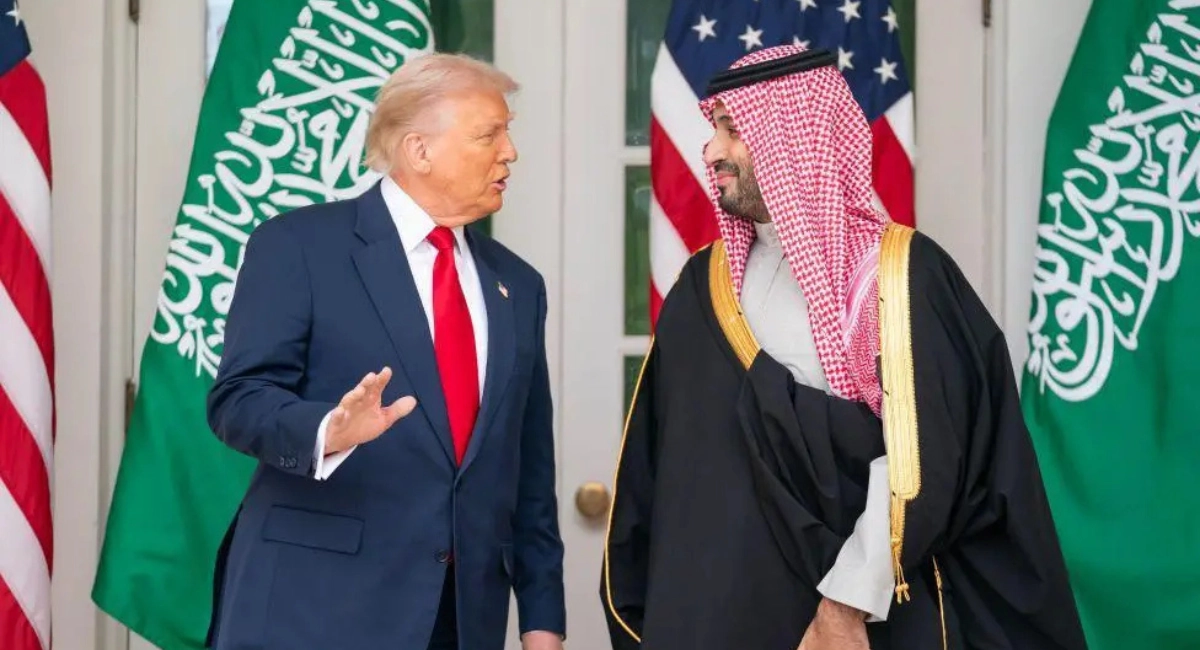
US President Donald Trump’s nuclear agreement with Saudi Arabia has marked a significant shift in Washington’s long-standing approach to nuclear cooperation, allowing Riyadh a potential pathway towards domestic uranium enrichment while removing restrictions that previous administrations had sought to maintain. The agreement, described by officials as a civil nuclear partnership, aims to expand energy cooperation and strengthen US-Saudi strategic ties but has triggered concerns among non-proliferation experts and some lawmakers over regional security risks.
The deal represents a departure from earlier US demands that Saudi Arabia permanently abandon enrichment and reprocessing capabilities as a condition for receiving American nuclear technology. Supporters argue the agreement will help develop Saudi Arabia’s civilian energy sector and keep nuclear cooperation aligned with US interests, while critics warn it could weaken safeguards designed to prevent the spread of nuclear weapons technology.
Why Is Trump’s Saudi Nuclear Deal Attracting Global Attention?
The Trump Saudi nuclear deal has attracted international attention because it changes a key element of US nuclear export policy. For decades, Washington has pushed countries seeking American nuclear assistance to accept strict limits on sensitive technologies, particularly uranium enrichment and spent fuel reprocessing.
Saudi Arabia has long expressed interest in developing a domestic nuclear industry as part of its wider economic diversification strategy under Crown Prince Mohammed bin Salman’s Vision 2030 programme. The kingdom has argued that nuclear energy could help reduce domestic reliance on oil consumption and preserve more crude exports for international markets.
However, enrichment technology remains one of the most sensitive areas of nuclear development because the same process used to produce fuel for civilian reactors can, under different circumstances, be adapted to produce material suitable for nuclear weapons.
What Changed In The US Approach To Saudi Nuclear Cooperation?
Previous US negotiations with Saudi Arabia focused heavily on securing commitments that Riyadh would not develop its own enrichment capabilities. Earlier proposals included requirements similar to the so-called “gold standard” approach, under which partner countries voluntarily give up the ability to enrich uranium domestically.
The new agreement takes a different approach by allowing discussions around future Saudi enrichment capability under agreed safeguards. The arrangement includes a bilateral monitoring framework, although critics have highlighted concerns that it does not include some of the strongest inspection mechanisms traditionally associated with international nuclear agreements.
The agreement is expected to support cooperation between US companies and Saudi Arabia, including potential involvement from American nuclear firms in reactor construction and related infrastructure.
What Are US Officials Saying About The Nuclear Agreement?
The Trump administration has defended the agreement as a way to strengthen civilian nuclear cooperation while maintaining safeguards against weapons development.
Officials argue that keeping Saudi Arabia engaged with US technology and oversight is preferable to allowing competitors such as China or Russia to become Riyadh’s main nuclear partners. The White House has described the agreement as part of a broader effort to expand economic, defence and technology ties between Washington and Riyadh.
Supporters also argue that nuclear energy development could provide Saudi Arabia with a cleaner and more reliable electricity source as the country’s population and industrial sectors continue to grow.
However, critics have questioned whether the safeguards included in the agreement provide enough protection against possible future military use.
Why Are Experts Concerned About Uranium Enrichment?
Nuclear security experts have raised concerns because uranium enrichment capability can create a potential pathway towards developing nuclear weapons if political circumstances change.
The debate is particularly sensitive because Saudi Arabia has previously stated that it would not allow Iran to gain a nuclear weapons capability without considering its own response. Those comments have increased fears that nuclear competition could expand across the Middle East.
Non-proliferation specialists argue that allowing enrichment capability in another major regional power could encourage other countries to seek similar arrangements, potentially creating a wider nuclear technology race.
Supporters of the agreement counter that strict monitoring, technical controls and cooperation with international partners can reduce risks while allowing peaceful nuclear development.
How Does The Deal Affect US Relations With Saudi Arabia?
The agreement strengthens a relationship that has been central to US foreign policy in the Middle East for decades. Washington and Riyadh have maintained close security and economic ties, particularly around energy markets, defence cooperation and regional stability.
For Saudi Arabia, the agreement represents progress towards its ambition of building a domestic nuclear industry. The kingdom has repeatedly argued that nuclear energy is necessary to support economic growth and reduce dependence on fossil fuels.
For the United States, the deal provides American companies with access to a potentially large nuclear energy market while reinforcing strategic influence in the Gulf region.
What Role Will Congress Play In Reviewing The Agreement?
The agreement is expected to face scrutiny from members of the US Congress, where concerns over nuclear proliferation have previously attracted bipartisan attention.
Lawmakers have historically examined nuclear cooperation agreements closely, particularly when they involve countries seeking access to enrichment technology. Critics may push for additional transparency and stronger safeguards before the agreement moves forward.
The administration will need to balance concerns about security risks with its broader foreign policy goals, including strengthening ties with a key Middle Eastern ally.
Could The Deal Change The Middle East Nuclear Balance?
The long-term impact of the agreement will depend on how Saudi Arabia implements its nuclear programme and how regional rivals respond.
Iran’s nuclear ambitions remain one of the biggest factors shaping security discussions in the Middle East. Any expansion of civilian nuclear capabilities by Saudi Arabia is likely to be viewed through the wider competition between Riyadh and Tehran.
Israel and other regional actors may also closely monitor developments, particularly regarding enrichment activities and international oversight arrangements.