

Discussion over the possibility of a US ground operation in Iran has intensified as tensions between Washington and Tehran continue to shape security calculations across the Middle East. Although American officials have consistently stated that they are not seeking a large-scale war with Iran, defence analysts have examined how such an operation could develop if diplomacy failed and military confrontation escalated. Any ground campaign would represent one of the most complex military undertakings in modern history, carrying significant operational, political and humanitarian consequences for the region and beyond.
Why Is a US Ground Operation in Iran Being Discussed?
Military planners routinely examine contingency scenarios, even when governments have no immediate intention of launching an invasion. The debate surrounding a US ground operation in Iran has emerged amid heightened regional instability, attacks involving proxy groups, concerns over Iran’s missile capabilities, and ongoing disputes surrounding its nuclear programme.
American officials have repeatedly maintained that diplomacy remains the preferred path. However, defence experts note that contingency planning remains a standard feature of military preparedness, particularly when strategic interests and regional security are involved.
Why Would Iran Present Such a Difficult Military Challenge?
Iran possesses one of the largest armed forces in the Middle East, supported by conventional military units, the Islamic Revolutionary Guard Corps (IRGC), ballistic missile forces and an extensive network of regional allies and proxy organisations.
Unlike previous military campaigns conducted in Iraq or Afghanistan, Iran’s geography presents formidable obstacles. Mountain ranges, deserts, densely populated urban centres and extensive infrastructure would complicate troop movements and supply lines.
With a population exceeding 90 million people and territory spanning approximately 1.6 million square kilometres, Iran is considerably larger than Iraq. These geographical and demographic factors would significantly increase the complexity of any prolonged military operation.
How Could a Ground Campaign Begin?
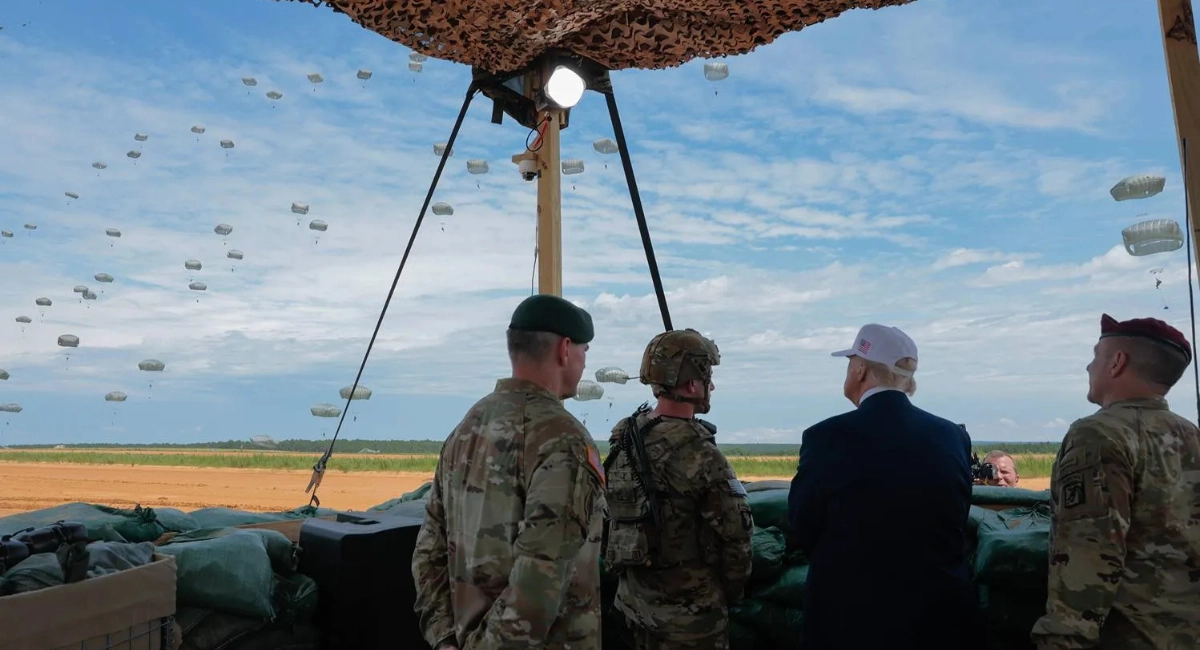
Military analysts generally suggest that any large-scale ground operation would likely be preceded by extensive air and naval operations.
Initial objectives could include targeting air defence systems, missile launch facilities, military headquarters, communication networks and logistics infrastructure. Cyber operations and electronic warfare would also be expected to play an important role in disrupting Iranian command and control capabilities.
Only after attempting to establish air superiority would commanders consider deploying significant ground forces, although even this stage would involve substantial operational risks.
What Strategic Objectives Could the United States Pursue?
The precise objectives would depend on political decisions made in Washington. Analysts suggest potential military goals could include neutralising missile capabilities, securing strategic facilities, protecting regional allies or disrupting military infrastructure.
A broader campaign aimed at regime change would require substantially larger forces, longer occupation periods and extensive post-conflict planning. Many experts argue that such an objective would carry considerably greater military and political risks than limited operations.
Military planners generally distinguish between narrowly defined tactical missions and wider strategic campaigns, recognising that objectives often evolve during extended conflicts.
How Might Iran Respond to a Ground Offensive?
Iran has invested heavily in asymmetric warfare capabilities over several decades. Rather than relying solely on conventional military formations, it has developed strategies designed to offset technological disadvantages.
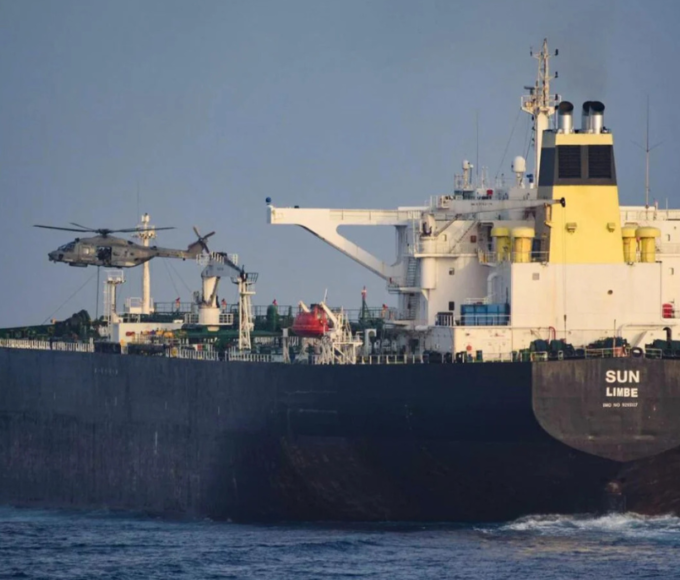
Analysts believe Tehran could respond through missile strikes against regional military bases, attacks by allied armed groups across the Middle East, cyber operations targeting critical infrastructure and efforts to disrupt international shipping through the Strait of Hormuz.
Urban warfare and prolonged resistance inside Iranian territory could further complicate military operations, increasing both operational costs and humanitarian concerns.
What Could Be the Regional Consequences?
Any US ground operation in Iran would likely have implications extending well beyond Iran’s borders.
Neighbouring Gulf states hosting American military facilities could face heightened security risks. Maritime trade through the Strait of Hormuz, one of the world’s most strategically important energy corridors, could experience disruption, affecting global oil supplies and shipping routes.
Regional instability could also influence financial markets, energy prices and international trade while increasing humanitarian pressures through population displacement and refugee movements.
What Would Be the International Response?
A major military intervention would almost certainly generate significant diplomatic activity at the United Nations and among global powers.
European governments would likely call for de-escalation while balancing existing security partnerships. Russia and China, both maintaining strategic relationships with Iran, could increase diplomatic opposition to military escalation while seeking to protect their regional interests.
International humanitarian organisations would also prepare for potential civilian displacement, infrastructure damage and increased humanitarian assistance requirements should conflict intensify.
What Challenges Would US Forces Face During Occupation?
Military history suggests that capturing territory represents only one phase of modern warfare. Maintaining security afterwards often proves considerably more difficult.
A prolonged occupation would require substantial troop numbers, continuous logistical support, reconstruction efforts and cooperation with local populations. Previous conflicts have demonstrated that stabilisation missions frequently extend far beyond initial military objectives.
Analysts also caution that insurgency risks, political uncertainty and economic disruption could complicate efforts to establish long-term stability.
Why Does This Scenario Matter Beyond the Middle East?
The implications of a conflict involving Iran extend into global energy markets, international security and geopolitical stability.
Iran occupies a strategically important position connecting the Middle East, Central Asia and the Gulf region. Escalation involving major military powers could affect international shipping, commodity prices, defence spending and broader diplomatic relations between global powers.
Businesses, investors and governments therefore continue to monitor developments closely, recognising that even limited military confrontations could produce wider economic consequences.
What Happens Next in the Situation?
Despite ongoing tensions, diplomatic engagement remains the publicly stated objective of multiple governments involved in the dispute. Military contingency planning does not necessarily indicate an imminent operation but reflects standard defence preparedness under uncertain conditions.
Future developments will largely depend on diplomatic negotiations, regional security incidents and decisions taken by political leaders in Washington, Tehran and allied capitals. Defence analysts continue to stress that while a US ground operation in Iran remains a theoretical scenario, the military, economic and humanitarian costs of such a conflict would likely be immense.