

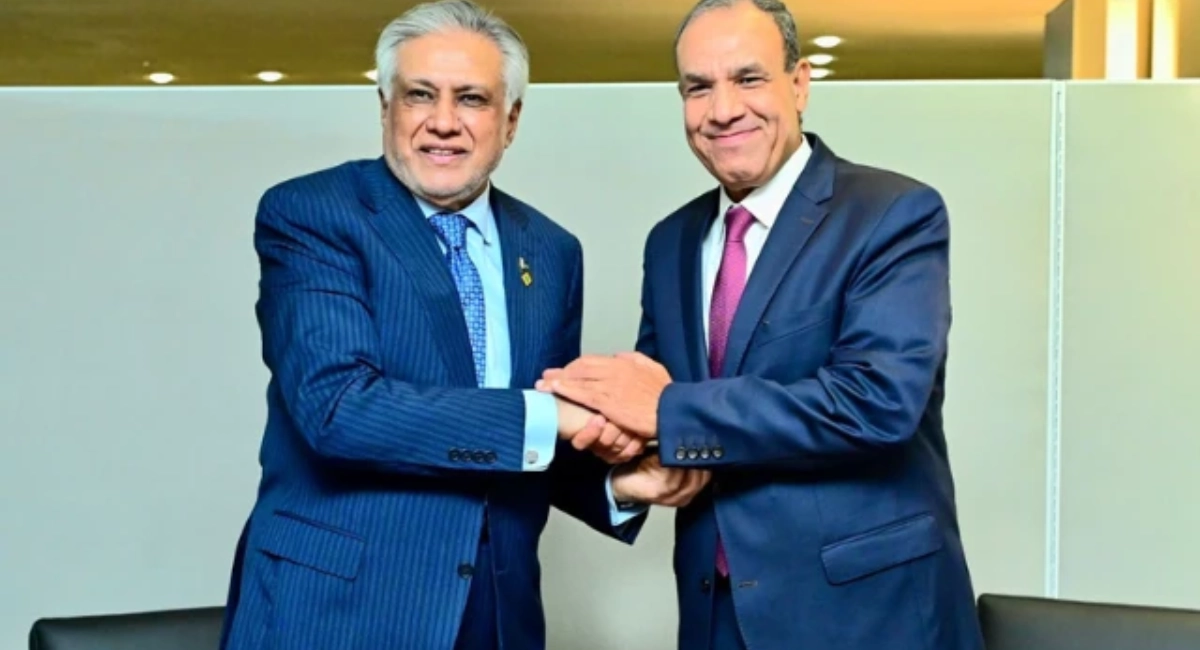
Pakistan and Egypt have jointly condemned Israeli military operations in the Gaza Strip and the occupied West Bank, expressing deep concern over the escalating humanitarian crisis and growing regional instability. The latest diplomatic statements come as international pressure intensifies over the conflict, with both countries calling for an immediate ceasefire, greater protection for civilians, and renewed efforts towards a political solution based on international law. Their coordinated position reflects wider concerns across the Middle East and beyond as violence continues to claim lives, displace civilians, and complicate regional diplomacy.
Why Are Pakistan and Egypt Condemning Israeli Military Actions?
Pakistan and Egypt have criticised Israel’s ongoing military operations, arguing that the continued use of force has significantly worsened humanitarian conditions in Gaza while increasing tensions across the occupied West Bank. Officials from both countries stressed that military escalation risks undermining regional security and reducing prospects for a negotiated peace.
Their statements highlighted the growing civilian toll, widespread destruction of infrastructure, and the urgent need to uphold international humanitarian law. Both governments reiterated that civilians must be protected regardless of the evolving security situation.
The coordinated diplomatic stance also reflects longstanding support from Islamabad and Cairo for a negotiated settlement to the Israeli-Palestinian conflict, with both nations advocating the implementation of relevant United Nations resolutions.
What Did Officials Say About the Latest Developments?
Officials from Pakistan reaffirmed their support for the Palestinian people and called on the international community to take immediate steps to halt the violence. The government urged global powers and international organisations to ensure accountability while facilitating humanitarian assistance for affected civilians.
Egypt echoed similar concerns, emphasising the need to end military operations and prevent further deterioration of the humanitarian situation. Cairo also stressed that sustainable peace cannot be achieved through military means alone and called for renewed diplomatic engagement aimed at resolving the conflict.
Both governments underlined the importance of respecting international law and protecting civilian populations, warning that continued hostilities could have far-reaching consequences for regional stability.
Why Is Gaza Facing Such a Severe Humanitarian Crisis?
The humanitarian situation in Gaza has deteriorated significantly after months of conflict. Large areas have suffered extensive damage to homes, hospitals, schools, roads, electricity infrastructure, and water networks, making daily life increasingly difficult for civilians.
International humanitarian organisations have repeatedly warned of shortages of food, clean drinking water, fuel, medicines, and essential medical supplies. Healthcare facilities continue to operate under immense pressure, while aid agencies have called for greater humanitarian access to reach vulnerable communities.
Displacement has also become a defining feature of the conflict, with many families forced to relocate multiple times amid ongoing military operations. Humanitarian officials continue to warn that prolonged disruption of aid deliveries could further deepen the crisis.
What Is Happening in the Occupied West Bank?
Alongside developments in Gaza, tensions have also intensified across the occupied West Bank. Security operations, confrontations, and violence involving Israeli forces, Palestinian militants, and settlers have contributed to a volatile security environment.
International observers have expressed concern that increasing instability in the West Bank could further complicate efforts to reduce tensions across the broader region. Diplomatic initiatives have therefore focused not only on Gaza but also on preventing further escalation throughout the occupied Palestinian territories.
Pakistan and Egypt argued that developments in both Gaza and the West Bank should be addressed together as part of a comprehensive political solution rather than isolated security challenges.
How Has the International Community Responded?
Governments and international organisations have continued to issue calls for restraint, humanitarian access, and renewed diplomatic negotiations. The United Nations has repeatedly urged all parties to comply with international humanitarian law while facilitating the delivery of emergency aid.
Several countries have intensified diplomatic efforts aimed at securing temporary ceasefires, prisoner exchanges, and expanded humanitarian corridors. Regional actors, including Egypt, have continued to play an important mediating role in discussions involving humanitarian assistance and conflict de-escalation.
Meanwhile, many governments remain divided over the political and military dimensions of the conflict, making consensus on long-term solutions difficult despite broad agreement on the need to protect civilians.
Why Does Egypt Play a Key Diplomatic Role?
Egypt remains one of the most influential regional actors involved in mediation efforts relating to Gaza. Its geographic position, diplomatic relationships, and control of the Rafah border crossing have given Cairo an important role in facilitating humanitarian assistance and supporting ceasefire negotiations.
Over the years, Egypt has frequently acted as an intermediary during periods of heightened conflict between Israel and Palestinian groups. The country’s diplomatic engagement continues to be viewed as an important component of wider international efforts to reduce violence and encourage political dialogue.
Pakistan has consistently expressed support for these diplomatic initiatives while maintaining its longstanding policy in favour of Palestinian statehood based on internationally recognised principles.
How Could These Developments Affect Regional Stability?
Continued military operations risk increasing political and security tensions across the Middle East. Analysts warn that prolonged conflict may heighten humanitarian pressures, disrupt diplomatic initiatives, and create wider regional security challenges involving neighbouring states.
Growing international concern also reflects fears that instability could affect trade routes, energy markets, and broader geopolitical relations. Diplomatic efforts therefore continue to focus on preventing further escalation while encouraging dialogue between all relevant parties.
The positions taken by Pakistan and Egypt add further momentum to international calls for a negotiated settlement that addresses both immediate humanitarian needs and longer-term political issues.