

Introduction:
Efforts by US President Donald Trump to secure a comprehensive agreement with Iran have become increasingly complicated, raising concerns that the conflict could settle into a prolonged diplomatic stalemate rather than reach a lasting resolution. Despite months of negotiations, military pressure and repeated claims that a breakthrough is imminent, key disputes remain unresolved. The talks have expanded beyond their original purpose of ending hostilities, encompassing Iran’s nuclear programme, maritime security in the Strait of Hormuz, regional alliances and broader Middle East diplomacy.
What Has Caused The Current Diplomatic Deadlock?
The latest difficulties stem from attempts by the Trump administration to broaden negotiations beyond a ceasefire framework. According to officials familiar with the discussions, Trump recently held a conference call with leaders from across the Middle East and South Asia to seek support for a wider regional agreement involving Iran.
During the discussions, the US president reportedly proposed linking progress in negotiations with an expansion of the Abraham Accords, the normalisation agreements between Israel and several Arab states that were first brokered during his previous administration. However, the proposal received a cautious response from regional leaders, highlighting the political sensitivities surrounding relations with Israel amid ongoing regional conflicts.
Diplomatic sources suggest that while governments remain supportive of efforts to reduce tensions with Iran, there is less enthusiasm for tying those negotiations to broader geopolitical realignments.
Why Is The Iran Deal Becoming More Complex?
What began as an effort to establish a ceasefire has evolved into a much wider set of objectives. Negotiators are now attempting to address several major issues simultaneously.
These include restrictions on Iran’s nuclear activities, the future of its enriched uranium stockpile, maritime security in the Strait of Hormuz, stability in Lebanon, reassurance for Gulf allies and potential new diplomatic arrangements involving Israel.
Such a broad agenda has significantly increased the complexity of negotiations. Analysts note that each additional issue creates new points of disagreement and reduces the likelihood of a rapid breakthrough.
As a result, discussions that were initially expected to produce a near-term settlement have instead generated a series of interconnected diplomatic challenges.
What Is The Significance Of The Strait Of Hormuz?
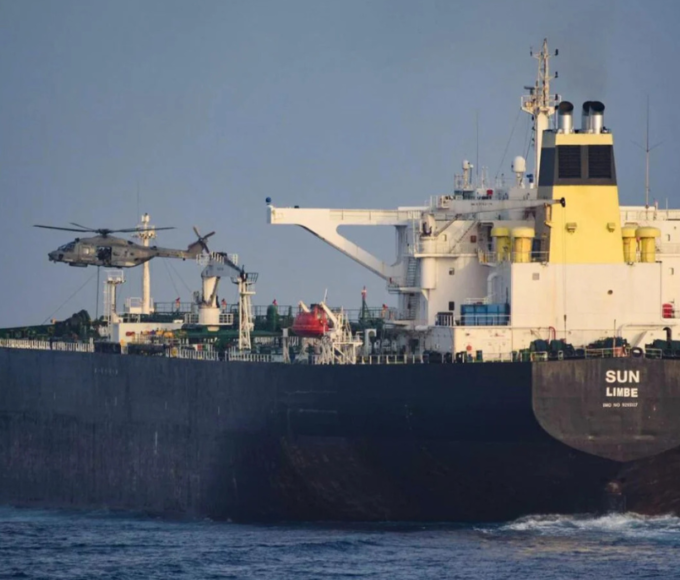
One of the most urgent concerns for the United States and its allies is the security of the Strait of Hormuz, a strategically important shipping route through which a substantial portion of the world’s oil and liquefied natural gas exports pass.
The conflict has disrupted shipping activity and contributed to higher energy market uncertainty. While military operations have weakened some Iranian capabilities, Tehran retains significant influence over maritime security in the region.
US officials have argued that restoring normal shipping levels is essential to stabilising energy markets. However, achieving that goal would likely require extensive naval operations, including mine-clearing efforts and guarantees that commercial vessels will not face future threats from drones, missiles or fast attack craft.
Shipping companies and insurers are also seeking greater confidence before returning to pre-conflict operating conditions.
What Challenges Remain Over Iran’s Nuclear Programme?
Iran’s nuclear programme continues to be one of the most contentious elements of the negotiations.
The Trump administration has sought measures that would go beyond the 2015 Joint Comprehensive Plan of Action (JCPOA), which Trump withdrew from during his first term in office. Officials have explored options for removing or transferring Iran’s stockpile of enriched uranium to a third country or potentially to the United States.
However, these proposals have encountered resistance and remain unresolved.
At the same time, Tehran continues to seek relief from international sanctions. The issue remains politically sensitive in Washington, where critics argue that sanctions relief could provide significant financial benefits to the Iranian government without guaranteeing long-term compliance.
The differing positions have contributed to the slow pace of progress.
How Does Israel Influence The Negotiations?
Israel remains a central factor in the broader regional equation.
Israeli military operations against Iranian-backed groups, particularly Hezbollah in Lebanon and Hamas in Gaza, have complicated diplomatic efforts. Iran has reportedly linked some elements of a potential settlement to developments involving its regional allies.
Meanwhile, Israel appears reluctant to halt operations that it views as strategically advantageous. This divergence in priorities has made it more difficult for negotiators to align the interests of all parties involved.
The situation has also affected prospects for expanding the Abraham Accords, as several Arab governments continue to emphasise progress towards Palestinian statehood as a prerequisite for broader normalisation with Israel.
What Political Pressures Is Trump Facing?
The negotiations are unfolding against a significant domestic political backdrop in the United States.
Although the administration has emphasised military successes against Iranian targets, critics argue that battlefield achievements have not translated into lasting diplomatic gains. With midterm elections approaching, pressure is increasing on the White House to demonstrate tangible progress.
Rising energy costs and continued instability in the Middle East have also become political concerns. Observers note that prolonged uncertainty could undermine public support for the administration’s strategy.
At the same time, Trump has continued to express confidence that a favourable agreement remains achievable, even as talks have repeatedly failed to reach a final conclusion.
What Happens Next In The Situation?
For now, negotiations appear likely to continue rather than collapse. Both Washington and Tehran maintain incentives to remain engaged, yet neither side appears willing to make the concessions necessary for a comprehensive settlement.
Diplomatic sources suggest that any future agreement may initially focus on practical measures such as maritime security and limited de-escalation before addressing more complex political disputes. However, the growing number of unresolved issues means that further extensions to the negotiating process remain highly probable.
The broader significance of these talks extends far beyond the US-Iran relationship. The outcome will influence global energy markets, regional security, nuclear non-proliferation efforts and the future diplomatic architecture of the Middle East. As negotiations continue to drift between progress and paralysis, the risk is not necessarily a return to full-scale conflict, but a prolonged period of uncertainty in which major disputes remain unresolved. For governments, businesses and citizens alike, the evolving situation remains one of the most important geopolitical developments to watch in the months ahead.