

Introduction:
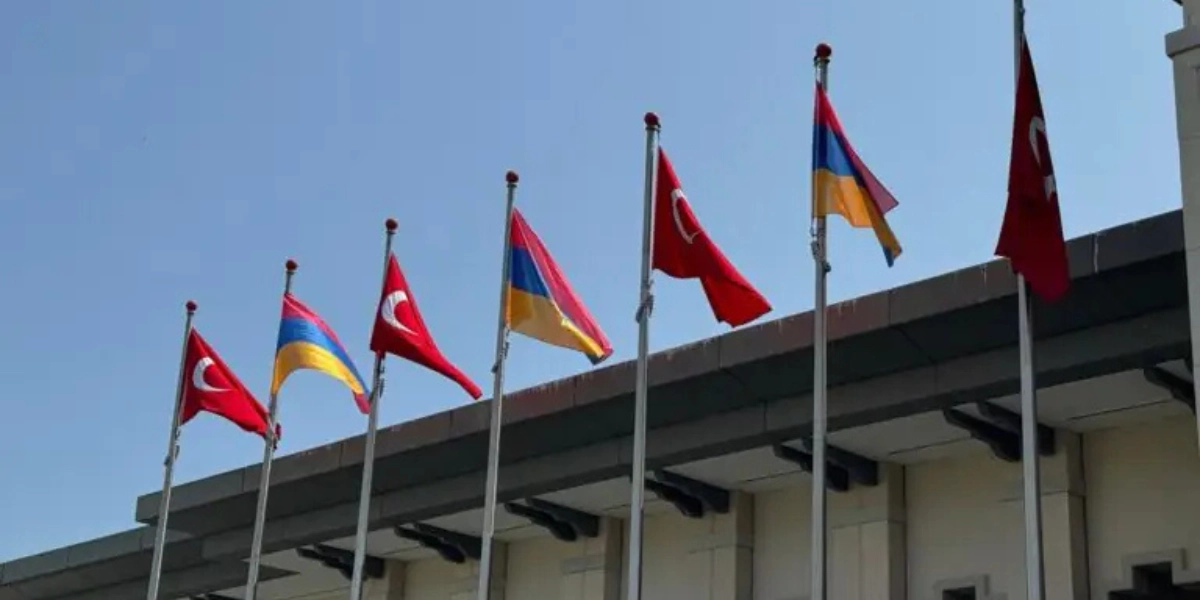
Armenia and Türkiye have taken a significant step towards normalising relations by formally initiating bilateral trade, following the completion of preparations announced by Ankara on 11 May. Under the new arrangements, goods moving between the two countries will no longer require re-registration through a third country, marking a major shift in long-strained economic ties. The development comes amid broader diplomatic efforts linked to regional stability in the South Caucasus, where progress in Armenia–Azerbaijan peace talks continues to influence Ankara’s policy direction. Officials on both sides have described the move as an important milestone towards establishing more structured and direct economic engagement.
Why Is the Armenia–Türkiye Bilateral Trade Agreement Significant?
The launch of Armenia–Türkiye bilateral trade is significant because it removes long-standing administrative barriers that previously prevented direct commercial exchange. Until now, goods had to be routed through third countries and re-registered, creating inefficiencies and limiting economic cooperation. The new framework allows Armenia and Türkiye to list each other directly as destination countries on export documentation, signalling a gradual easing of restrictions. Analysts view this as a practical first step towards broader normalisation between the two neighbours, whose diplomatic relations have been historically frozen.
What Did Government Officials Say About the Change?
Turkish and Armenian officials have both described the development as a constructive step forward. The Turkish Foreign Ministry confirmed that preparations were finalised on 11 May, while Armenian Prime Minister Nikol Pashinyan noted that previous regulations excluded Armenia from Türkiye’s direct trade list. Armenian Foreign Ministry spokesperson Ani Badalyan welcomed the decision, stating that it represents “an important step towards the development of full-fledged and normal relations”. These statements underline a cautious but positive tone from both sides, reflecting incremental progress rather than full diplomatic resolution.
How Does Regional Politics Influence Armenia–Türkiye Relations?
The normalisation process between Armenia and Türkiye remains closely tied to broader regional dynamics, particularly Armenia’s relationship with Azerbaijan. Türkiye has consistently aligned its South Caucasus policy with Baku, and officials have indicated that border developments may depend on progress in Armenia–Azerbaijan peace negotiations. The unresolved legacy of the Nagorno-Karabakh conflict continues to shape regional diplomacy, with both Ankara and Baku emphasising coordination on security and economic corridors. As a result, Armenia–Türkiye bilateral trade is being viewed within a wider geopolitical framework rather than as an isolated bilateral initiative.
What Role Do Transport and Infrastructure Projects Play?
Infrastructure projects are increasingly central to the evolving relationship. Recent discussions have included plans to restore the historic Ani Bridge and explore reopening the Gyumri–Kars railway link. These initiatives aim to improve connectivity between the two countries while integrating them into broader regional trade routes. The proposed Trump Route for International Peace and Prosperity (TRIPP), discussed in wider Armenia–Azerbaijan talks, is also seen as a potential catalyst for expanding transit links across the South Caucasus, strengthening east–west trade corridors between Asia and Europe.
What Happens Next in Armenia–Türkiye Bilateral Trade Normalisation?
The future of Armenia–Türkiye bilateral trade will depend on continued diplomatic engagement and progress in regional peace processes. While the current agreement removes technical barriers to trade, full normalisation—including the potential reopening of land borders—remains conditional on political developments, particularly the outcome of Armenia’s domestic elections and ongoing negotiations with Azerbaijan. Observers suggest that if momentum continues, both trade expansion and infrastructure reopening could follow, further integrating the South Caucasus into major international supply chains.
Armenia–Türkiye bilateral trade marks a cautious yet meaningful step in a complex regional normalisation process shaped by decades of political tension and conflict. While the agreement does not yet signal full diplomatic reconciliation, it opens the door to increased economic interaction and potential infrastructure cooperation. The coming months will be critical in determining whether this development evolves into broader border reopening and sustained regional integration, making it a key geopolitical story to watch in the South Caucasus.