

Introduction:
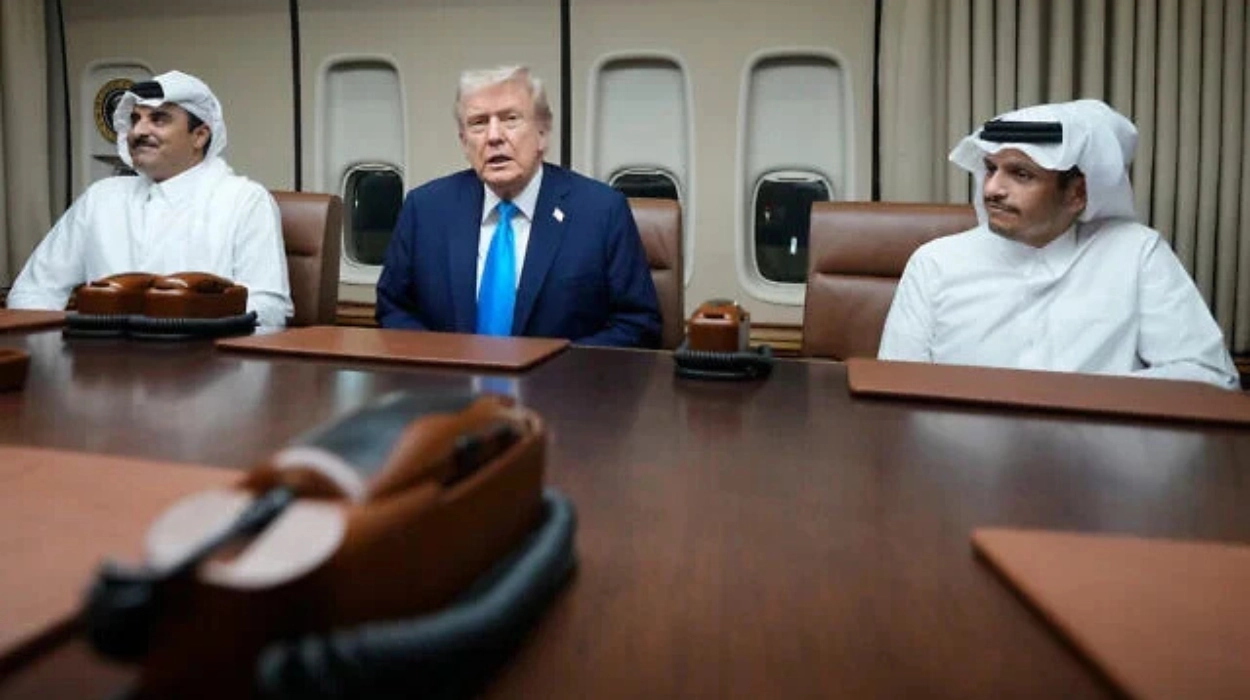
Allegations surrounding foreign influence in US political decision-making have resurfaced following a published analysis examining links between the Trump political orbit and several Middle Eastern and European actors. The claims, which remain unverified, focus on how access, lobbying structures and private business interests may intersect with official diplomatic engagement. The discussion has drawn renewed attention to long-standing concerns over transparency, ethics rules and foreign influence in Washington, particularly under administrations where informal channels of diplomacy are perceived to play a significant role.
Why Are Allegations of Foreign Influence Around Donald Trump Emerging Again?
Recent debate has been fuelled by commentary suggesting that foreign governments and state-linked entities, including actors in Qatar and Morocco, may have sought closer access to US decision-makers during the Trump era and beyond. These assertions largely stem from broader concerns about the blending of political authority, business branding, and diplomatic engagement.
However, no new verified legal findings have confirmed wrongdoing in relation to the specific claims circulating in the latest analysis. Instead, the discussion reflects ongoing scrutiny of how influence is exercised in Washington and whether existing safeguards are sufficient to manage potential conflicts of interest.
What Is the Context of Past European Influence Scandals?
Attention has also been drawn to earlier controversies within the European Parliament, particularly the so-called “Qatargate” investigation launched in 2022. That case involved allegations of corruption and illicit influence networks within EU institutions, prompting reforms in ethics oversight, transparency rules, and lobbying disclosures.
While the European case centred on parliamentary corruption allegations, analysts note that it has influenced wider global debate about how states and lobby groups seek access to political institutions. However, comparisons between EU scandals and US presidential conduct remain politically sensitive and legally distinct.
How Do US Foreign Influence Laws Regulate Access?
In the United States, foreign influence is primarily regulated through the Foreign Agents Registration Act (FARA), which requires individuals acting on behalf of foreign principals to disclose their activities. Unlike stricter prohibitions in some jurisdictions, FARA focuses on transparency rather than banning engagement outright.
Experts frequently point out that enforcement has historically fluctuated depending on political priorities and administrative focus. Critics argue that this creates grey areas in which lobbying, business interests and diplomatic engagement can overlap without clear public visibility.
What Are the Key Allegations Raised in Recent Analysis?
The published commentary at the centre of the current debate suggests that foreign governments may seek influence not only through formal diplomatic channels but also via business partnerships, branding agreements and investment-linked relationships.
In the case of the Trump political and business ecosystem, the analysis argues that personal branding and private enterprise could create additional complexity in distinguishing between state policy and private interest. However, these claims remain interpretative and have not been substantiated by court rulings or official investigations.
What Do Supporters and Critics Say About These Claims?
Supporters of stricter scrutiny argue that any overlap between political authority and private business interests increases the risk of perceived conflicts of interest, particularly when foreign governments are involved. They emphasise the importance of transparency, disclosure and strict enforcement of existing ethics laws.
Critics, however, caution against conflating business relationships with proven corruption. They argue that international investment and diplomatic engagement often operate in overlapping spheres and that allegations without legal evidence risk politicising foreign policy debates.
How Could This Affect US Foreign Policy Debate Going Forward?
The discussion comes at a time when questions about foreign lobbying, campaign finance and executive accountability continue to shape political discourse in the United States. Analysts suggest that even unproven allegations can influence public trust and increase pressure for institutional reform.
There is also growing attention on how presidential transitions and family-linked business interests may intersect with global diplomatic relationships, particularly in regions where strategic energy, defence and security partnerships are involved.
What Happens Next in This Debate?
Going forward, the issue is likely to remain part of broader discussions on ethics reform, lobbying transparency and foreign influence regulation. Lawmakers and watchdog organisations are expected to continue reviewing existing frameworks such as FARA to determine whether stronger enforcement or legislative updates are required.
Ultimately, while the current allegations remain unproven, they highlight ongoing tensions between diplomacy, private enterprise and political accountability. The broader implication is that the boundaries between state interest and private influence continue to be closely scrutinised, both in the United States and internationally. Continued attention from regulators, media and civil society will likely determine how these debates evolve in the months ahead.