

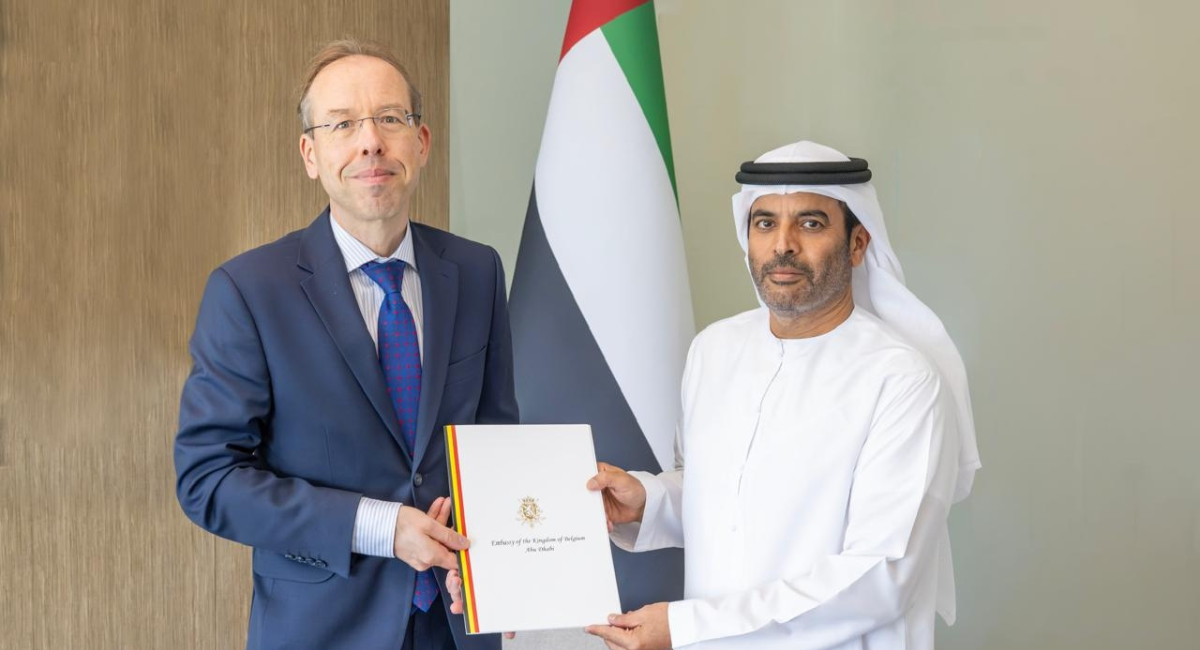
The Ministry of Foreign Affairs (MoFA) has officially received a copy of the credentials of the Ambassador of the Kingdom of Belgium, marking an important diplomatic step in the formal accreditation process. The exchange represents a routine but significant procedure under international diplomatic practice, enabling the ambassador to begin official engagements while reinforcing bilateral relations between the two countries. Officials described the occasion as a reflection of continued cooperation and mutual commitment to strengthening political, economic and cultural ties.
Why Has the Foreign Ministry Received the Belgian Ambassador’s Credentials?
The receipt of a copy of the credentials is a standard diplomatic procedure that formally recognises a newly appointed ambassador before they present their original credentials to the head of state. The process is governed by established diplomatic conventions and ensures that the ambassador can begin carrying out official responsibilities.
In most countries, ambassadors first meet senior officials from the Ministry of Foreign Affairs, where certified copies of their credentials are submitted. The formal presentation of the original credentials typically follows during a ceremonial meeting with the country’s head of state.
This process demonstrates mutual diplomatic recognition and confirms the ambassador’s authority to represent the interests of the Kingdom of Belgium in the host nation.
What Did Foreign Ministry Officials Say About the Appointment?
Foreign Ministry representatives welcomed the Belgian ambassador during the credential submission ceremony, highlighting the importance of maintaining constructive diplomatic engagement.
Officials reaffirmed their commitment to enhancing bilateral cooperation across several sectors, including trade, investment, education, innovation and cultural exchange. They also expressed confidence that the ambassador’s tenure would contribute to expanding dialogue on regional and international issues of shared interest.
Although the credential ceremony itself is procedural, such occasions frequently provide an opportunity for governments to reaffirm longstanding partnerships and identify priorities for future cooperation.
Who Is the New Ambassador Representing Belgium?
As Belgium’s official diplomatic representative, the ambassador is responsible for promoting Belgian interests while strengthening political and economic relations with the host country.
The ambassador’s duties include maintaining communication between both governments, supporting Belgian citizens and businesses abroad, encouraging commercial partnerships and facilitating cooperation in areas such as science, technology, higher education and cultural initiatives.
Ambassadors also play a key role in representing their governments during official events, diplomatic negotiations and international forums.
Why Are Diplomatic Credentials Important?
Diplomatic credentials are formal documents issued by a country’s head of state confirming the appointment of an ambassador. Under international diplomatic practice, including the principles established by the Vienna Convention on Diplomatic Relations of 1961, ambassadors are officially recognised only after the accreditation process has been completed.
Receiving a copy of the credentials allows the Ministry of Foreign Affairs to verify the ambassador’s appointment before the formal presentation ceremony takes place.
This procedure helps ensure continuity in diplomatic representation while maintaining internationally recognised diplomatic protocol.
How Strong Are Relations Between Belgium and the Host Country?
Belgium has maintained diplomatic relations with numerous countries around the world through cooperation in political affairs, international development, trade and multilateral organisations.
The European nation is home to the headquarters of the European Union and NATO, making it an influential diplomatic partner on matters relating to European policy, international security and economic cooperation.
Bilateral relationships with Belgium often include collaboration in areas such as sustainable development, renewable energy, transport, higher education, healthcare and investment promotion.
Regular diplomatic exchanges, ministerial visits and business delegations have helped deepen partnerships over recent years, creating opportunities for both governments and private-sector organisations.
What Economic Opportunities Could This Diplomatic Development Support?
Although the presentation of diplomatic credentials is ceremonial, it often lays the groundwork for broader economic engagement.
Belgium is recognised as one of Europe’s major trading hubs, benefiting from advanced logistics infrastructure, internationally connected ports and strong industrial sectors. Strengthened diplomatic engagement can facilitate increased trade, encourage foreign direct investment and support business cooperation between companies in both countries.
Future discussions may focus on expanding exports, supporting innovation partnerships and encouraging collaboration in green technologies, digital transformation and advanced manufacturing.
Diplomatic missions also play an important role in helping businesses navigate investment opportunities and regulatory frameworks in international markets.
How Does Diplomacy Benefit Citizens and Businesses?
Strong diplomatic relationships extend beyond government-to-government engagement. They contribute to greater cooperation in education, tourism, scientific research and cultural exchanges, while also supporting visa services, academic partnerships and commercial activities.
Businesses often benefit from improved diplomatic dialogue through enhanced market access, investment promotion initiatives and strengthened trade relationships. Universities and research institutions can also gain from expanded academic collaboration and joint innovation programmes.
For citizens, effective diplomatic representation helps improve consular services, facilitates international cooperation and strengthens people-to-people connections.
What Happens After the Credential Submission?
Following the submission of a copy of the credentials to the Ministry of Foreign Affairs, the ambassador will typically participate in a formal credential presentation ceremony before the country’s head of state.
Only after completing this constitutional step is the ambassador considered fully accredited under diplomatic protocol.
The ambassador can then continue engaging with government officials, diplomatic missions, business leaders and civil society organisations to advance bilateral cooperation throughout their posting.
The Foreign Ministry’s receipt of the Belgian ambassador’s credentials represents an important milestone in the diplomatic accreditation process and signals the continuation of constructive bilateral relations. While largely ceremonial, the procedure establishes the framework for future political dialogue, economic cooperation and cultural exchange between both nations.
Attention will now turn to the formal presentation of the ambassador’s original credentials and the beginning of a new diplomatic chapter. As governments increasingly cooperate on issues ranging from trade and investment to regional security and sustainable development, the appointment is expected to support stronger engagement across multiple sectors. Readers should continue monitoring developments as both countries outline their priorities for future collaboration and seek to deepen their longstanding partnership.