

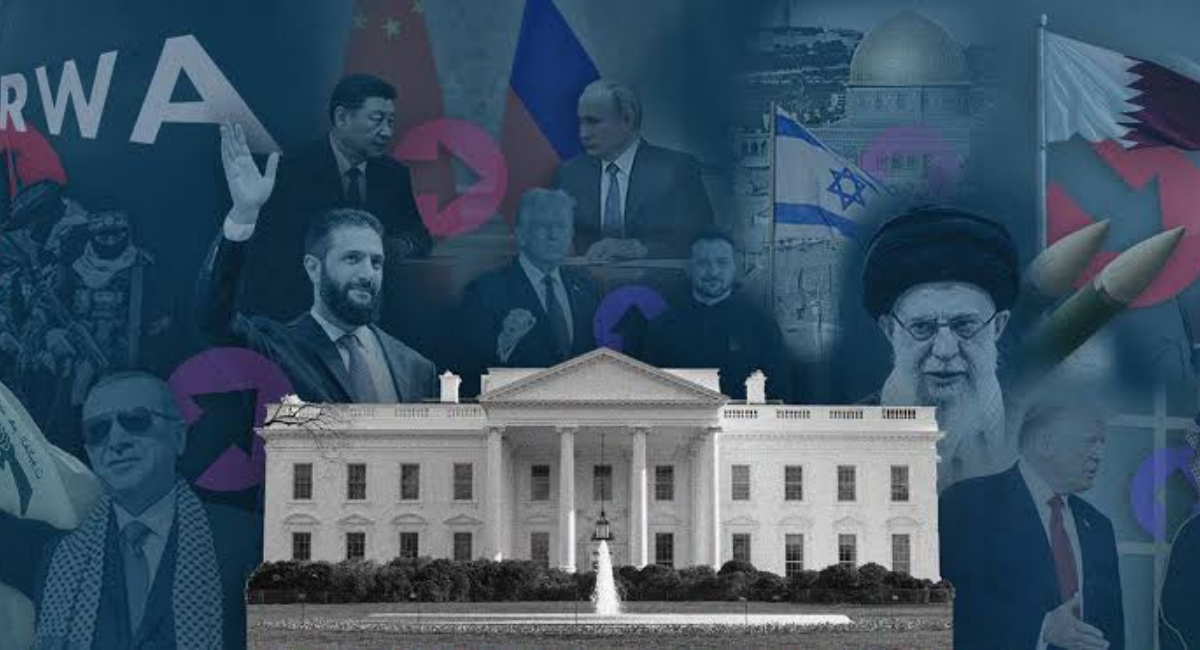
The Trump administration’s foreign policy agenda remains under close international scrutiny as August begins with a series of significant diplomatic, security and economic developments. From renewed efforts to address tensions with Iran and continued support for Ukraine to evolving trade disputes and strategic competition with China, Washington’s overseas priorities continue to shape global affairs. The latest developments reflect an administration balancing military deterrence, economic pressure and diplomatic engagement while responding to rapidly changing international events.
Why Is the Trump Administration’s Foreign Policy Under Increased Scrutiny?
The opening weeks of August have seen multiple foreign policy challenges emerge simultaneously. The administration is managing negotiations linked to Iran, maintaining support for Ukraine amid Russia’s invasion, strengthening partnerships across the Indo-Pacific and continuing to use tariffs as a key instrument of foreign policy.
These developments come against a backdrop of heightened geopolitical uncertainty, with conflicts in Eastern Europe and the Middle East continuing to influence global security and international markets. Analysts say Washington’s decisions during the coming weeks could have lasting implications for regional stability and relations with allies.
What Is Happening With Iran and Middle East Diplomacy?
Iran remains one of the administration’s most closely watched foreign policy priorities. President Donald Trump has expressed optimism about renewed diplomatic engagement, describing upcoming negotiations as an important opportunity to reduce regional tensions and address concerns surrounding Iran’s nuclear programme.
However, Tehran has publicly rejected claims that direct talks with Washington are taking place, insisting that its discussions are instead focused on mediation efforts involving Oman concerning the Strait of Hormuz. The differing public narratives illustrate the fragile nature of diplomatic efforts and the complexity of negotiations involving regional security.
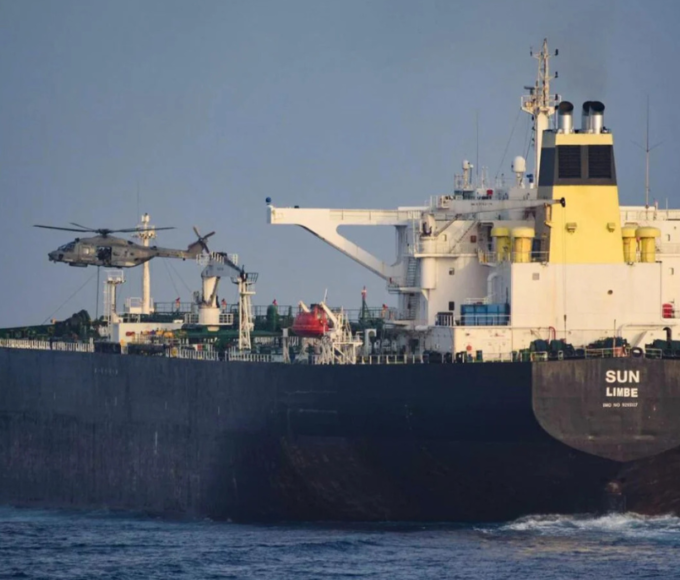
The Strait of Hormuz continues to hold strategic importance because roughly one-fifth of the world’s seaborne oil passes through the waterway. Any disruption has the potential to affect global energy supplies and international shipping.
How Is Washington Responding to the War in Ukraine?
Support for Ukraine remains another significant element of the administration’s foreign policy strategy.
Recent policy decisions have included continued military assistance and cooperation with NATO partners aimed at strengthening Ukraine’s defensive capabilities. The administration has also maintained economic pressure on Russia while encouraging diplomatic efforts intended to end the conflict.
Officials argue that coordinated action with European allies remains essential to maintaining regional security and deterring further aggression, although prospects for a negotiated settlement remain uncertain.
What Role Does China Play in Current US Foreign Policy?
Competition with China continues to influence American strategic planning across defence, technology and trade.
The United States has expanded military exercises with Indo-Pacific partners while pursuing economic agreements designed to strengthen regional supply chains and reduce dependence on Beijing in strategically important sectors.
Technology policy also remains a major issue, with ongoing debate surrounding semiconductor exports, artificial intelligence and critical minerals. These issues are increasingly viewed through a national security lens rather than solely as commercial matters.
Why Are Trade Measures Continuing to Feature Prominently?
Trade policy remains closely linked to the administration’s wider foreign policy objectives.
Recent tariffs affecting dozens of trading partners have prompted legal challenges within the United States, with several states questioning the administration’s legal authority to impose the measures. Administration officials maintain the tariffs are intended to address concerns surrounding forced labour and protect American economic interests.
The outcome of these legal proceedings could influence future use of trade restrictions as a diplomatic and economic tool.
How Are International Alliances Being Managed?
The administration continues to emphasise cooperation with NATO and Indo-Pacific partners while encouraging allies to increase defence spending and contribute more to collective security.
Joint military exercises involving Australia, Japan and other regional partners have reinforced commitments to maintaining stability across the Indo-Pacific. Meanwhile, coordination with European governments continues over sanctions, defence assistance and broader security policy.
Foreign policy observers note that while disagreements occasionally emerge over trade and burden-sharing, security cooperation between the United States and its allies remains substantial.
What Do Foreign Policy Experts Say About Current Priorities?
Foreign policy specialists generally view the administration’s current approach as combining diplomatic engagement with economic leverage and military deterrence.
Supporters argue that sanctions, trade measures and strengthened alliances provide Washington with multiple tools for advancing its strategic objectives. Critics, meanwhile, question whether simultaneous pressure across several regions could complicate diplomatic negotiations or increase geopolitical tensions.
Most analysts agree that developments involving Iran, Ukraine and China will continue to dominate Washington’s international agenda throughout the remainder of the year.
What Happens Next for US Foreign Policy?
Several key developments are expected over the coming weeks. Negotiations linked to Iran’s nuclear programme and regional security could determine whether diplomatic momentum can be sustained. Continued military assistance to Ukraine, evolving trade disputes and ongoing strategic competition with China will also remain closely monitored.
Broader geopolitical conditions remain highly fluid, meaning policy decisions made in Washington are likely to have consequences extending well beyond the United States. As governments, businesses and international organisations assess changing diplomatic and economic conditions, the Trump administration’s foreign policy will continue to influence global security, trade and international cooperation. For readers, monitoring these developments remains important because the outcomes could shape energy markets, defence partnerships and international relations for months to come.