

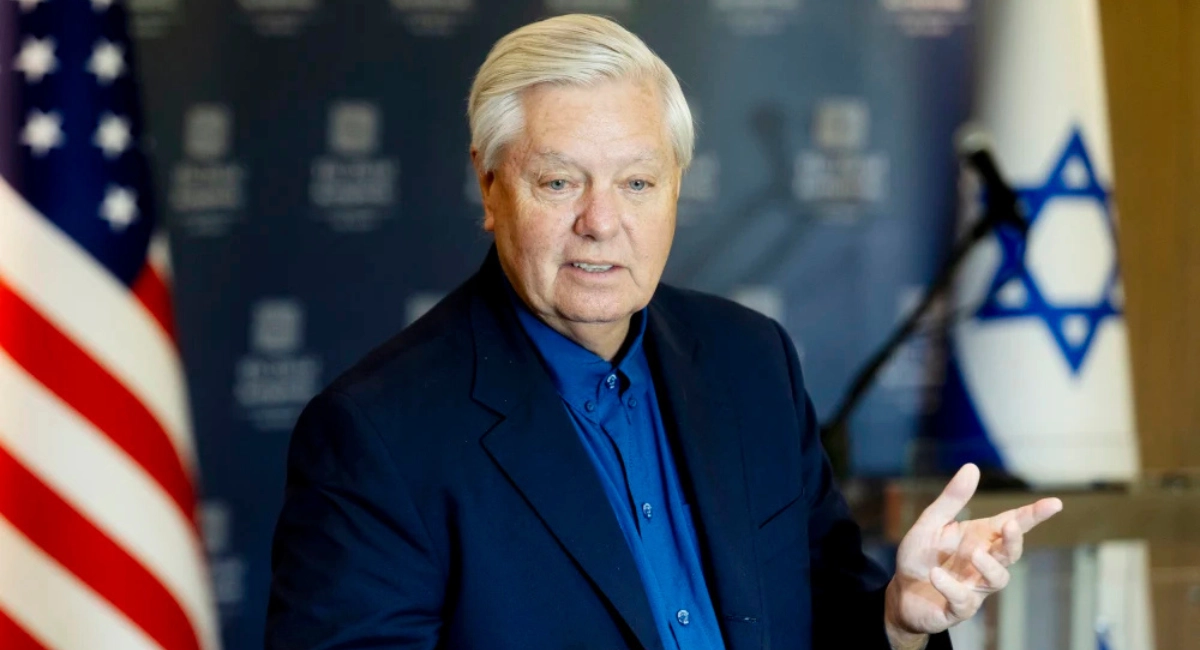
The death of Graham has prompted renewed discussion about the future of political support for Israel in the United States at a time when the country’s military campaign and wider regional policies face mounting international scrutiny. Long regarded as one of Israel’s most outspoken advocates in American politics, Graham consistently defended close US-Israel relations and backed military, diplomatic and security cooperation. His absence is expected to reshape political dynamics in Washington, particularly as debate intensifies over the humanitarian consequences of the conflict in Gaza and broader Middle East policy.
Why Is Graham’s Death Receiving Significant Political Attention?
Graham’s death has attracted widespread attention because of his longstanding influence on US foreign policy and his reputation as one of Israel’s strongest allies in Congress. Throughout his political career, he consistently argued that Israel’s security was closely linked to American strategic interests in the Middle East.
His support extended across military assistance, intelligence cooperation and diplomatic backing during periods of heightened regional instability. As international criticism of Israel increased, Graham remained among the most vocal defenders of its government, frequently opposing measures that sought to limit American military support or impose additional conditions on aid.
Political observers note that losing such a prominent advocate could alter debates in Washington, even if broader bipartisan support for Israel remains substantial.
How Has International Opinion Towards Israel Changed?
Israel continues to face growing international scrutiny over its military operations, particularly following the conflict in Gaza. Humanitarian organisations, United Nations agencies and numerous governments have repeatedly expressed concern about civilian casualties, displacement and restrictions affecting humanitarian assistance.
Israeli officials have maintained that military operations are aimed at dismantling armed groups responsible for attacks against Israeli civilians and argue that national security remains their foremost priority.
The widening gap between Israel’s position and increasing international criticism has made diplomatic engagement more challenging. Several countries have called for ceasefires, expanded humanitarian access and renewed negotiations aimed at reducing regional tensions.
This evolving international landscape has placed additional pressure on policymakers in Washington who continue balancing long-standing strategic alliances with growing domestic and international concerns.
What Role Did Graham Play In US-Israel Relations?
Throughout decades of public service, Graham consistently advocated maintaining strong American commitments to Israel’s defence.
He supported significant military assistance packages, promoted advanced defence cooperation and regularly argued against efforts to reduce security funding. Graham also maintained close relationships with successive Israeli governments regardless of changes in political leadership.
His influence extended beyond legislative votes. Graham frequently appeared in media interviews, congressional hearings and international forums where he defended Israel’s strategic position and criticised groups he considered threats to regional stability.
Foreign policy analysts suggest his departure removes an experienced political figure capable of mobilising bipartisan support during periods of diplomatic uncertainty.
Could Graham’s Absence Affect American Foreign Policy?
Most analysts believe US support for Israel is unlikely to change dramatically in the immediate future because it remains rooted in decades of strategic cooperation shared by both major political parties.
However, Graham’s absence may influence the tone and intensity of congressional debate. Lawmakers advocating stronger oversight of military aid or greater emphasis on humanitarian considerations may encounter fewer high-profile opponents than in previous years.
Recent polling has also indicated changing public attitudes, particularly among younger Americans, with greater scrutiny being directed towards US policy in the Middle East. These evolving domestic political trends may increasingly influence future legislative discussions.
Experts caution that foreign policy shifts generally occur gradually rather than through the departure of any single political figure.
What Have Political Leaders And Analysts Said?
Tributes from political leaders across party lines have recognised Graham’s long career in public service and his influence on American national security policy.
Supporters described him as a committed advocate for strong international alliances, while critics acknowledged his significant role in shaping debates surrounding Middle East policy even where they disagreed with his positions.
Foreign policy specialists note that Graham’s death comes during a particularly sensitive period, with negotiations over regional security, humanitarian assistance and diplomatic engagement continuing alongside ongoing military tensions.
Many analysts argue that the timing increases the political significance of his absence, especially as Washington evaluates its future approach towards both Israel and broader Middle East stability.
Why Does This Matter Beyond Israel And The United States?
The implications extend well beyond bilateral relations. American policy towards Israel influences wider regional diplomacy involving neighbouring Arab states, Iran, international peace initiatives and global security partnerships.
European governments continue encouraging renewed diplomatic efforts while humanitarian agencies stress the need for increased aid deliveries and protection of civilians. Any changes in congressional debate may therefore be closely monitored by governments across the Middle East and internationally.
Financial markets, defence cooperation and regional security arrangements are also affected by perceptions of US foreign policy consistency. Consequently, political developments in Washington often have broader geopolitical consequences.