

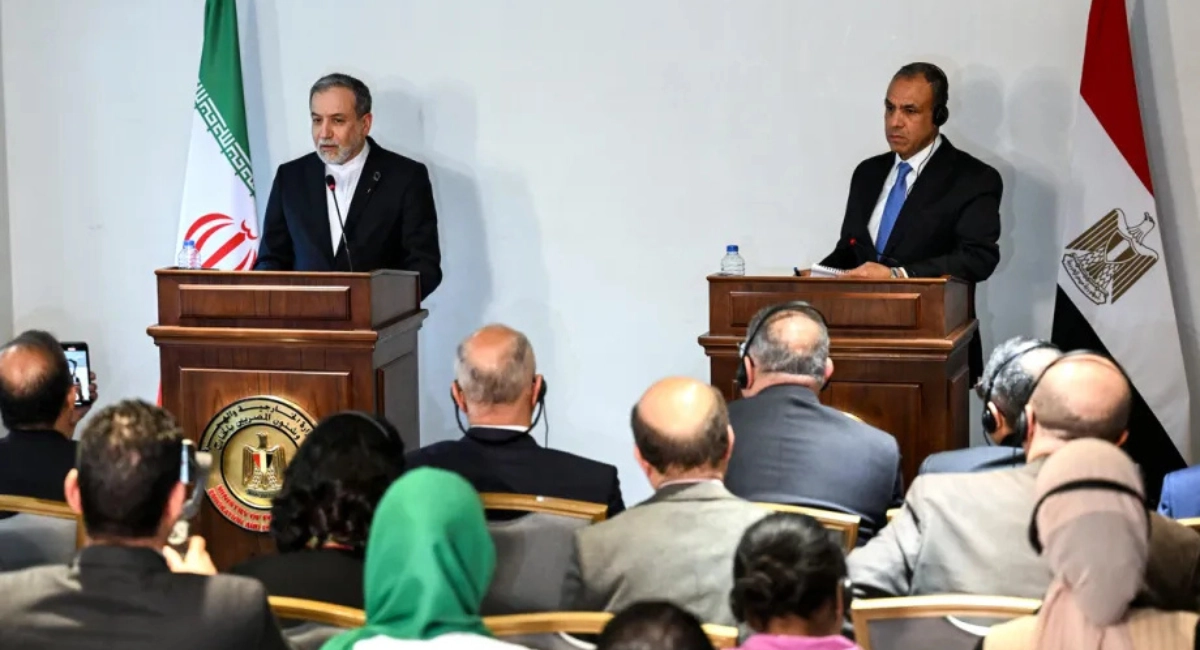
Iran and Egypt have held discussions focused on US diplomatic negotiations and wider regional developments, as Middle Eastern governments continue efforts to manage rising tensions and shifting geopolitical pressures. The talks come at a time when diplomacy involving Washington, Tehran and regional powers remains central to discussions over security, economic stability and potential conflict prevention. Officials from both countries highlighted the importance of communication, while analysts say the engagement reflects broader efforts to maintain dialogue during a period of uncertainty across the region.
Why Are Iran and Egypt Discussing US Diplomatic Negotiations?
Iran and Egypt are discussing US diplomatic negotiations because both countries have interests in understanding how possible agreements between Tehran and Washington could influence regional stability. The discussions are taking place against a backdrop of continuing disputes over Iran’s nuclear programme, sanctions, security issues and the wider balance of power in the Middle East.
Egypt, which maintains relations with both Western countries and regional actors, has often played a diplomatic role in efforts aimed at reducing tensions. Iran, meanwhile, has sought international engagement while continuing to defend its security and political priorities.
The discussions highlight how developments between Iran and the United States can have consequences beyond bilateral relations. Any movement in US-Iran negotiations could affect energy markets, regional alliances and security calculations involving countries across the Gulf and wider Middle East.
What Did Officials Say About The Recent Discussions?
Officials involved in the discussions indicated that Iran and Egypt exchanged views on diplomatic developments and regional challenges. The focus included international negotiations, security concerns and the need for continued communication between regional governments.
Iranian officials have repeatedly stressed the importance of diplomatic channels, particularly regarding issues connected to sanctions and international relations. Egyptian officials have also emphasised the importance of stability and avoiding further escalation in a region already affected by multiple conflicts.
The talks reflect a broader pattern of regional diplomacy, where countries are seeking to maintain contact despite disagreements on certain political and security issues.
How Does The US Role Affect Iran And Egypt Relations?
The United States remains a key factor in Iran-Egypt discussions because Washington has significant influence over regional diplomacy, economic policies and security partnerships. US sanctions on Iran have shaped Tehran’s economic environment for years, while American alliances with several Middle Eastern countries continue to influence regional strategy.
For Iran, negotiations with the United States have remained a major international issue, particularly regarding nuclear activities and sanctions relief. For Egypt, maintaining communication with major global powers is important for economic and security reasons.
Experts say Egypt’s position as a regional diplomatic centre allows it to engage with different sides, although balancing these relationships remains challenging due to competing interests.
What Regional Developments Are Influencing The Talks?
Several regional developments are affecting discussions between Iran and Egypt, including conflicts, security concerns and changing diplomatic relationships across the Middle East. Recent years have seen increased efforts by regional governments to reopen communication channels and reduce political tensions.
Iran’s relationships with neighbouring countries, Western governments and regional organisations continue to shape its foreign policy. Egypt has also been monitoring developments that could affect trade routes, energy security and regional stability.
The situation remains complex because several issues are connected, including conflicts involving armed groups, maritime security concerns and competition between regional powers.
Why Does This Matter For International Diplomacy?
The Iran Egypt discussions matter because they show how regional powers are attempting to influence diplomatic outcomes rather than relying only on external actors. Middle Eastern countries have increasingly sought direct communication to address disagreements and protect their national interests.
Analysts say continued dialogue could help reduce misunderstandings and create opportunities for future negotiations. However, significant challenges remain, particularly where there are disagreements over security policies, military influence and international sanctions.
The outcome of these discussions could provide indications about the direction of future diplomatic efforts involving Iran, the United States and other regional governments.
What Is The Background Behind Iran And Egypt Relations?
Iran and Egypt have had a complicated relationship over several decades. Although both countries are influential Middle Eastern states, their diplomatic ties have experienced periods of cooperation and distance due to political differences and regional events.
Relations have improved in recent years, with officials from both sides showing interest in expanding communication. Economic cooperation, regional security and diplomatic coordination have been among the areas receiving attention.
The renewed engagement comes as several Middle Eastern governments have explored new diplomatic approaches, including rebuilding relationships and reducing tensions after years of rivalry.
What Could Happen Next In The Negotiations?
The next stage of the Iran Egypt discussions will likely depend on wider developments involving US diplomatic efforts and regional security conditions. Any progress in negotiations between Washington and Tehran could influence the tone of future regional conversations.
Observers will be watching for further statements from officials, possible diplomatic meetings and signs of whether dialogue leads to practical agreements.
While discussions do not guarantee immediate breakthroughs, continued engagement may help create channels for managing disagreements and preventing further instability.
Iran and Egypt’s discussions over US diplomatic negotiations and regional developments reflect the changing nature of Middle Eastern diplomacy. As governments attempt to navigate security challenges, economic pressures and shifting international relationships, continued dialogue is likely to remain important. The future direction of US-Iran relations, alongside broader regional developments, will determine whether these diplomatic efforts lead to greater cooperation or renewed tensions. Readers will continue monitoring the situation as new negotiations and political developments shape the region’s future.