

Russian officials alleged that Ukraine targeted President Vladimir Putin’s residence in Novgorod Oblast with 91 drones overnight, prompting Foreign Minister Sergey Lavrov to announce a revision of Russia’s negotiating position while affirming that air defences destroyed all the UAVs.
Russia’s Foreign Minister Sergey Lavrov stated that Ukraine launched 91 attack drones at President Vladimir Putin’s residence in Novgorod Oblast overnight on Sunday into Monday, with all drones reportedly destroyed by Russian air defence systems, according to Russian state media as reported by Ukrainska Pravda.
Alleged Drone Attack Details Emerge from Russian Statements
According to Ukrainska Pravda, citing Russian state media, Lavrov claimed the drone strike specifically targeted Putin’s residence in Russia’s Novgorod Oblast, describing it as an overnight operation involving 91 unmanned aerial vehicles.
As reported by Senior Correspondent Anna Lenchushkina for Ukrainska Pravda, Lavrov asserted that Russian air defence systems successfully neutralised all 91 drones, preventing any damage to the site.
Official Reactions and Negotiating Stance Adjustments
Lavrov indicated that the alleged attack would lead Russia to revise its negotiating position, according to the same Ukrainska Pravda report drawing from Russian state media sources.
Lavrov’s Warnings on Retaliation
The Russian Foreign Minister emphasised that such actions would not go unanswered, stating that both the targets and timing of Russia’s retaliatory strikes have already been decided by the Armed Forces, as per Ukrainska Pravda’s coverage of Lavrov’s comments via Russian state media.
Broader Context of Ongoing Conflict Dynamics
Lavrov added that Russia does not intend to withdraw from the negotiation process with the United States regarding Ukraine despite the claimed incident, maintaining a commitment to talks while adjusting its position, according to Ukrainska Pravda.
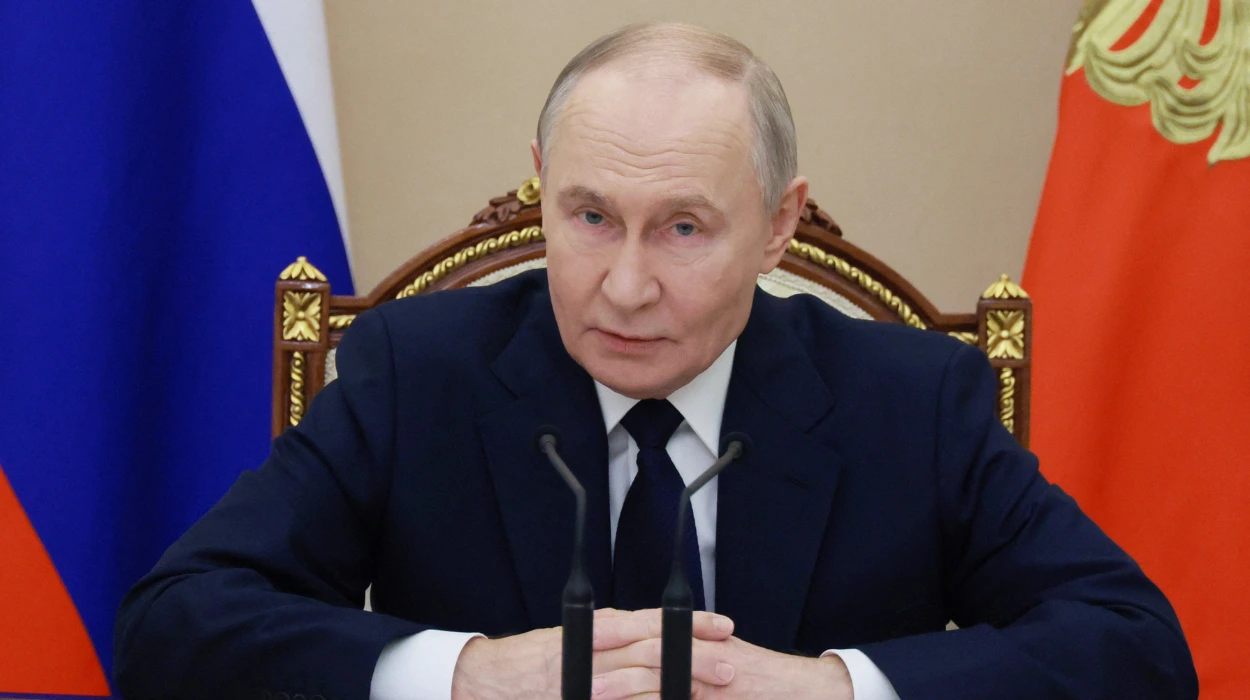
On 29 December, President Vladimir Putin reiterated that Russia would continue to follow the directions of its General Staff in carrying out tasks related to the special military operation, the term used by Russian authorities for their actions in Ukraine, as noted in Ukrainska Pravda.
This statement from Putin came amid heightened tensions, with the alleged drone attack cited as a direct provocation against a key Russian leadership site in Novgorod Oblast, located approximately 500 kilometres northwest of Moscow.
Russian claims of the drone numbers and specific targeting align with patterns of escalated Ukrainian drone operations deep into Russian territory throughout 2025, though independent verification remains unavailable from the sources.
The Novgorod Oblast region, known for its historical significance and proximity to St Petersburg, has not frequently been highlighted in prior cross-border drone reports, making this allegation notable if confirmed.
Lavrov’s reference to a revised negotiating position suggests potential shifts in Russia’s stance on ceasefire talks or territorial demands, though specifics were not detailed in the statements covered by Ukrainska Pravda.
Russia’s insistence on air defence success echoes previous official narratives following Ukrainian drone incursions, such as those reported near Moscow and other strategic areas earlier in the year.
The decision on retaliatory strikes, as described, underscores the Russian military’s role in response planning, with the General Staff overseeing operational directives as affirmed by Putin.
Negotiations involving the United States have been a focal point in late 2025 discussions on de-escalation, with Russia positioning itself as open to dialogue despite ongoing hostilities.
Putin’s 29 December remarks reinforce continuity in military strategy, prioritising General Staff guidance amid reports of intensified aerial threats.
The alleged incident occurs against a backdrop of mutual accusations, with Ukraine frequently denying targeted strikes on civilian or leadership sites while Russia attributes such actions to Kyiv.
Novgorod Oblast’s strategic value lies in its infrastructure supporting logistics and energy networks, potentially explaining its selection if the Russian claims hold.
Lavrov’s comments frame the event as a escalation warranting measured response, balancing negotiation continuity with military preparedness.
Reported Consequences and Military Posture
According to Ukrainska Pravda, the Russian Armed Forces have pre-determined the scope of any retaliation, indicating immediate operational readiness following the claimed drone assault.
No casualties or damage were reported from the incident, with full interception attributed to layered air defences in the region, as per Lavrov’s account via Russian state media.
Putin’s endorsement of General Staff directives signals no deviation from current offensive and defensive postures in response to the alleged provocation.
The revision to Russia’s negotiating position could influence upcoming talks, potentially hardening demands on security guarantees or territorial control, based strictly on Lavrov’s statements.
Russian state media’s coverage positions the event as a deliberate Ukrainian escalation, aimed at leadership disruption during a period of diplomatic engagement.
Air defence performance, if accurate, highlights ongoing investments in systems capable of countering mass drone swarms, a tactic increasingly employed in the conflict.
Implications for Novgorod Oblast include possible heightened security measures around sensitive sites, though no specific changes were detailed in available reports.
The interplay between military actions and negotiations remains central, with Russia vowing persistence in both domains post-incident.
Ukraine has not publicly commented on the allegations as of the latest reports from Ukrainska Pravda, leaving Russian claims as the primary narrative.
International observers note that such incidents often complicate mediation efforts, though Russia affirms no withdrawal from US-involved processes.
The event underscores the persistent aerial dimension of the conflict, with drones enabling long-range strikes challenging traditional defences.
Russian responses, once executed, may target Ukrainian drone infrastructure, aligning with prior patterns of symmetric retaliation.
Overall, the situation reflects entrenched positions, with aerial confrontations shaping strategic calculations on both sides.
Russian officials, led by Foreign Minister Sergey Lavrov, have alleged a Ukrainian drone attack involving 91 UAVs on President Vladimir Putin’s Novgorod Oblast residence, claiming full interception by air defences and announcing a revised negotiating position alongside planned retaliation, as reported by Ukrainska Pravda citing Russian state media, while Putin reaffirmed adherence to General Staff directives.