

Italy is intensifying its efforts to counterbalance China’s growing influence in Europe as concerns mount within its political establishment about Beijing’s covert outreach and economic penetration. Marked by a significant decline in Italy’s China Influence Index, a symbolic withdrawal from China’s Belt and Road Initiative, and a strong show of vigilance from the Italian Senate, this development signals a strategic shift. Italy is actively curbing Chinese ownership in strategic sectors, tightening scrutiny over academic and media ties, and enhancing alignment with Western partners on security and geopolitical fronts.
Declining Chinese Influence and Growing Awareness in Italy
Italy’s China Influence Index fell to 26.8 points in 2025, down by 8.3 points from 2022, reflecting decreased overt Chinese presence yet highlighting enduring vulnerabilities. While Italy stepped back symbolically from the Belt and Road Initiative, Chinese cultural diplomacy, digital platform influence, and media partnerships remain prevalent, especially within academia and law enforcement frameworks. These subtle influence channels continue to generate concerns over democratic integrity and national sovereignty.
Covert Influence in Media and Academia
Chinese state-linked groups have engaged in partnerships with Italian media and academic institutions, shaping narratives and facilitating Beijing’s soft power strategy in Europe. The digital landscape in Italy features a notable presence of Chinese-operated platforms that impact public discourse and political opinion, evidencing the complexity of influence beyond direct investment.
Political Responses and Legislative Initiatives
Under Prime Minister Giorgia Meloni’s leadership, Italy has shifted decisively toward restricting Chinese control over vital sectors. High-profile cases include the Chinese state-owned Sinochem International’s 37% stake in Pirelli, which Italy is considering limiting amid heightened concerns about foreign influence in strategic industries. This economic reticence aligns Italy with the US and EU’s broader stance on China.
Senate Inquiry and Public Debate
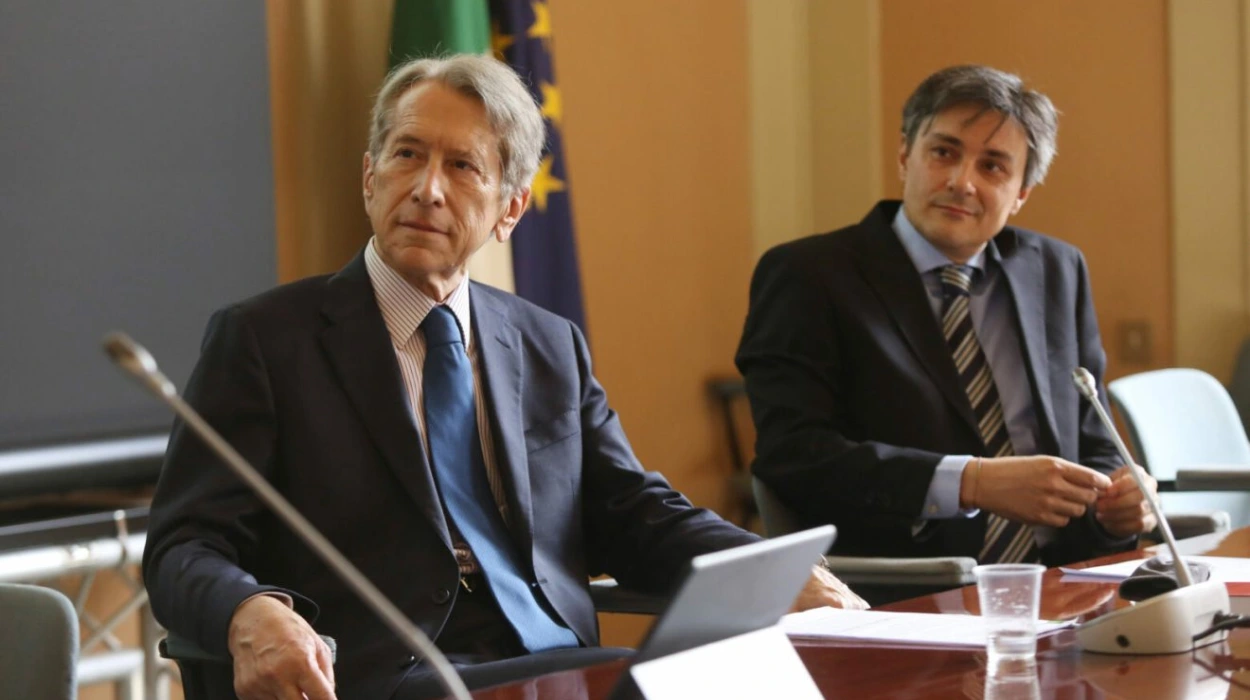
The Italian Senate convened a pivotal conference in October 2025 titled “Chinese Influence in the EU: The Cases of Italy and Eastern Europe,” hosted by Senator Giulio Terzi and other prominent lawmakers. The event addressed systemic CCP influence attempts, emphasizing the urgency for tighter controls and transparent scrutiny surrounding Chinese investments and political lobbying in Europe’s democratic institutions.
Bilateral Relations Amid Strategic Realignment
Despite pushback on influence concerns, Italy marked the 55th anniversary of its diplomatic relations with China in 2025, underscoring ongoing cooperation in trade, investment, science, culture, and sports. Chinese Foreign Minister Wang Yi and Italian Deputy Prime Minister Antonio Tajani reiterated commitments to mutual trust and expanding practical engagements, signaling an effort to maintain stable ties even as strategic caution grows.
Strategic Security Shifts in a Changing Geopolitical Landscape
Italy’s geopolitical stance has notably shifted since 2021, influenced by US pressure to curtail Chinese involvement in critical infrastructure like 5G and to extricate itself from the Belt and Road Initiative framework. Italy has aligned closer with NATO and regional partners Japan, South Korea, and the US, participating in major multinational exercises such as RIMPAC and Task Force 153 to reinforce Indo-Pacific maritime security.
Strengthening Italy’s Security Role
Italy’s navy contributes actively to Indo-Pacific security and regional stability, reflecting broader defense cooperation aimed at countering China’s assertive regional policies. This realignment signals Italy’s commitment to a multilateral security architecture balancing economic engagement with strategic safeguards.
Challenges in Balancing Economic and Security Interests
Italy faces the complex task of balancing lucrative economic relations with China against the imperatives of protecting national sovereignty and democratic freedoms. The Senate’s call for enhanced vigilance represents a broader European engagement with the challenge of managing China’s influence while preserving open markets and alliances.
| Aspect | Detail |
|---|---|
| China Influence Index (Italy, 2025) | 26.8 (decline of 8.3 since 2022) |
| Chinese ownership in Pirelli | 37% held by Sinochem International |
| Senate conference | October 2025, focused on CCP influence in Italy/EU |
| Diplomatic milestone | 55 years of China-Italy relations in 2025 |
| Strategic shifts | Exit from Belt and Road, closer NATO and Indo-Pacific ties |
| Military engagement | Italian Navy in RIMPAC, Task Force 153 |
| Media and academic influence | Chinese soft power through digital platforms and partnerships |
Looking Ahead: Vigilance and Resilience
Italy’s assertive pushback against China’s influence in Europe reflects a growing consensus about the need for vigilance and strategic resilience. As European nations grapple with similar challenges, Italy’s initiatives ranging from legislative scrutiny to strategic military cooperationb serve as a model for balancing pragmatic engagement with protective measures.
The unfolding Senate dialogue and government actions highlight that safeguarding democratic institutions, ensuring transparency in foreign investments, and fostering informed public debate are vital to maintaining Italy’s sovereignty. At the same time, maintaining constructive dialogue with China on trade and global cooperation remains an essential part of Italy’s diplomatic calculus.