

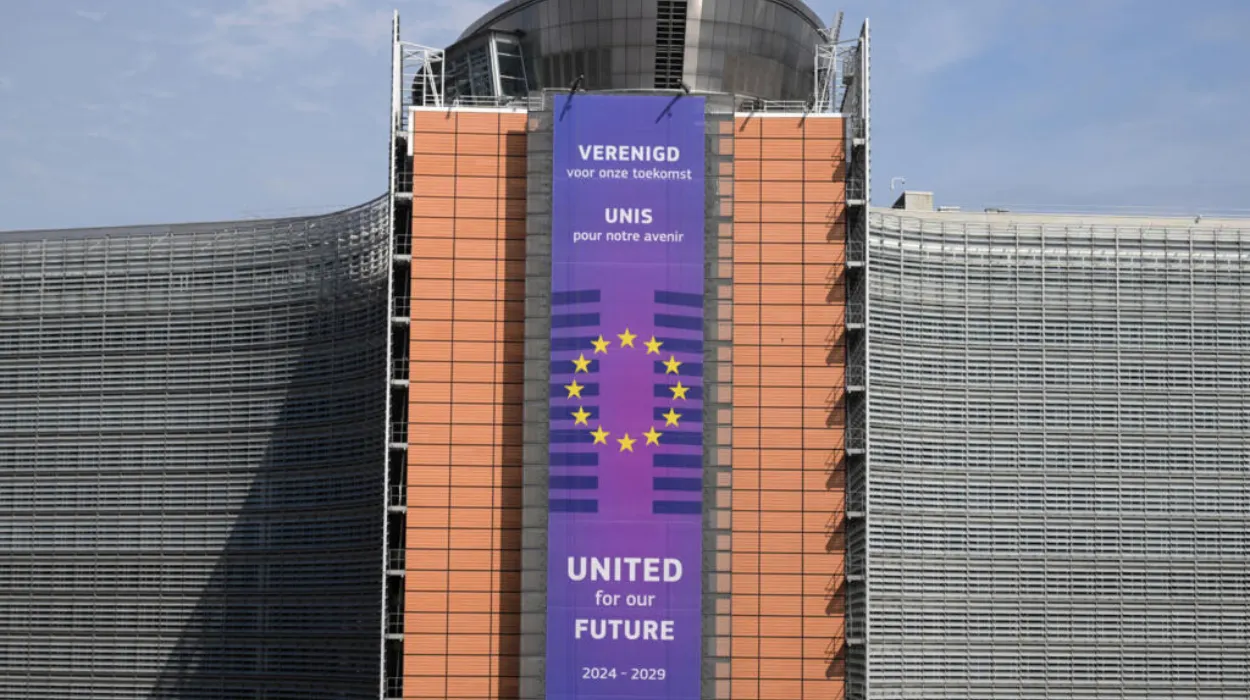
The European Union has initiated a formal investigation into an alleged Hungarian spy ring that reportedly operated within EU institutions in Brussels between 2012 and 2018. The probe comes in response to reports that Hungarian intelligence agents posing as diplomats sought to recruit staff within EU bodies to pass on sensitive information benefiting Hungary. High-level scrutiny surrounds current European Commissioner Olivér Várhelyi, who led Hungary’s Permanent Representation to the EU during the purported espionage activities. The revelations have heightened political tensions in Brussels and prompted calls for increased safeguards and accountability.
Details of the Alleged Hungarian Spy Ring
According to extensive investigations published in October 2025, Hungarian intelligence operatives allegedly embedded in the Hungarian Permanent Representation to the EU in Brussels carried out covert operations to spy on EU institutions. This network focused on cultivating informants among EU staff, gathering classified information related to Hungary’s political and financial interests within the EU context.
Operations Under Diplomatic Cover
The espionage activities reportedly occurred under the guise of diplomacy, with agents wielding official cover. One agent was seconded to the European Commission and reportedly accessed sensitive security documents. Recruitment meetings discreetly took place in various Brussels locations, including parks, between 2015 and 2017. Staff were approached with proposals to act as informants in exchange for compensation, reflecting a sophisticated network aimed at intelligence collection.
Timeframe and Key Figures
The spy ring is believed to have operated primarily from 2012 until 2018, overlapping with the tenure of Olivér Várhelyi as head of Hungary’s Permanent Representation to the EU. Várhelyi, now the European Commissioner for Neighbourhood and Enlargement, faces intensified scrutiny over potential links to or knowledge of the alleged espionage.
EU Institutional Response and Political Impact
The European Commission immediately launched an internal investigation upon learning of the allegations. Commission spokesperson Balázs Ujvári emphasized the priority of protecting EU staff and sensitive information from illegal intelligence activities, signaling zero tolerance for breaches of trust within EU bodies.
High-Level Discussions and Pressure
Commission President Ursula von der Leyen announced plans to address the matter directly with Commissioner Várhelyi, underlining the seriousness with which the Commission views the allegations. Meanwhile, legal experts and policymakers have debated whether Várhelyi’s continued role as Commissioner is tenable amid such revelations.
Political Ramifications and Calls for Inquiry
The European Parliament has yet to issue formal statements but is closely monitoring developments. Transparency International EU, a leading watchdog, condemned the spying as a grave attack on democratic institutions, calling for an independent committee of inquiry to investigate the full scope of the breach and any potential violations of EU laws and protocols.
The case has amplified existing tensions between Hungary and Brussels, especially over rule of law and democratic standards, potentially complicating Hungary’s relations within the EU framework.
Transparency International EU’s Analysis and Demands
Transparency International EU has characterized the alleged espionage as emblematic of Hungarian Prime Minister Viktor Orbán’s broader strategy to undermine the EU’s democratic institutions and decision-making processes. Nick Aiossa, TI EU Director, voiced strong condemnation and demanded swift, transparent investigations and accountability measures to reinforce the EU’s integrity.
Background and Media Investigations
These revelations stem from collaborative investigative journalism involving the Hungarian nonprofit Direkt36, Germany’s Paper Trail Media, and Belgium’s De Tijd. Using insider testimony and documentary evidence, these outlets exposed the covert Hungarian spy operations embedded within Brussels institutions, casting a spotlight on a prolonged espionage effort.
Summary of Key Dates and Figures
| Aspect | Detail |
|---|---|
| Period of espionage operation | 2012–2018 |
| Recruitment meetings | 2015–2017 (Brussels locations including parks) |
| Hungarian Permanent Representation Head | Olivér Várhelyi (2012–2018, current EU Commissioner) |
| Formal EU investigation launch | October 9, 2025 |
| Transparency International EU call for inquiry | October 9, 2025 |
Implications for EU-Hungary Relations and Institutional Security
The allegations add strain to already fraught EU-Hungary relations, highlighting concerns over Hungary’s alignment with EU norms and democratic principles. The investigation reinforces the necessity of robust security protocols within EU institutions to safeguard against espionage and interference by member states or external actors.
Next Steps and Prospects
The European Commission’s probe and potential parliamentary inquiries will seek to clarify the extent of the espionage network and any involvement of current or former officials. Depending on findings, repercussions could range from institutional reforms to legal or disciplinary action against implicated individuals. The outcome will significantly impact perceptions of trust and cooperation within the EU framework.