

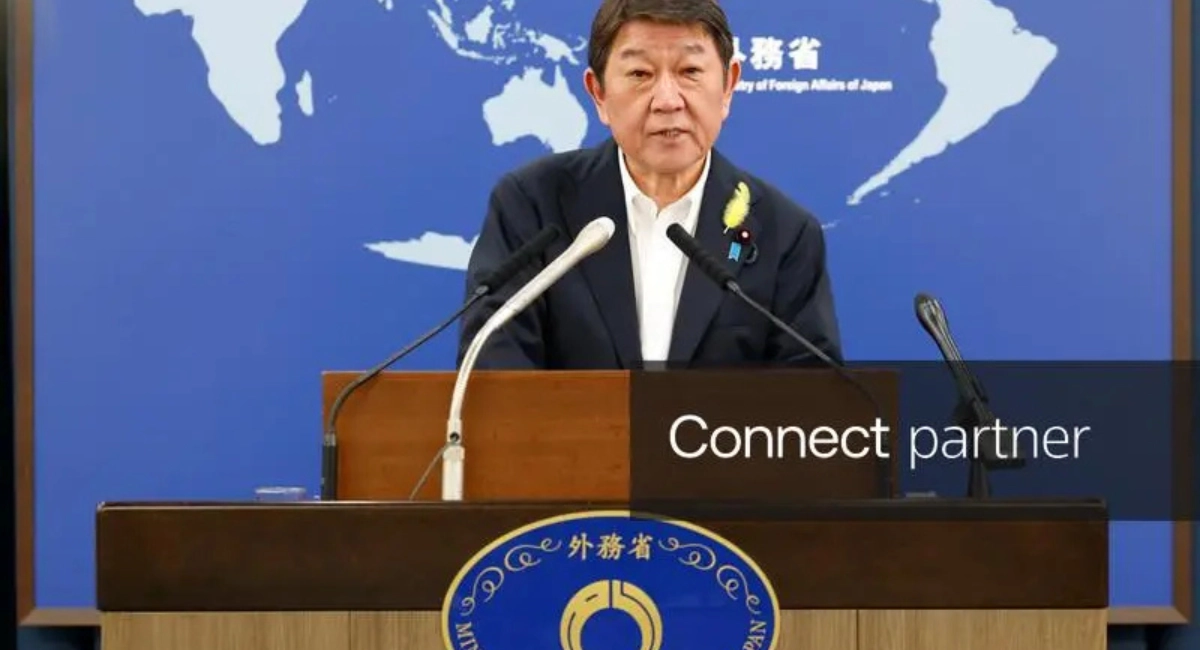
Japan’s Foreign Minister Toshimitsu Motegi has continued to outline Tokyo’s diplomatic priorities during a series of official press conferences, addressing issues including regional security, international cooperation and Japan’s role in responding to global challenges. The Ministry of Foreign Affairs of Japan has maintained a regular schedule of ministerial briefings, with recent conferences covering topics ranging from the Indo-Pacific region and economic security to conflicts and humanitarian concerns.
Why Is Toshimitsu Motegi’s Press Conference Gaining Attention?
Toshimitsu Motegi’s press conferences are attracting attention because Japan is navigating a complex international environment marked by security concerns, shifting alliances and rising geopolitical competition. As foreign minister, Motegi has been responsible for communicating Japan’s position on major international developments while explaining Tokyo’s approach to diplomacy.
The briefings provide insight into how Japan balances its long-standing alliance with the United States, regional partnerships and its own national interests. They also offer a window into Japan’s foreign policy priorities at a time when developments in Asia and beyond are influencing global security discussions.
What Did Japan’s Foreign Minister Say About Current Diplomatic Challenges?
During recent press conferences, Motegi addressed a range of foreign policy matters, including international security issues and Japan’s diplomatic engagement with other countries. The Ministry of Foreign Affairs records show that recent briefings included discussions on topics such as Japan’s role at international meetings, cooperation with partner nations, sanctions-related issues and regional developments.
Motegi has emphasised the importance of dialogue, coordination with allies and maintaining stability through diplomatic channels. Japan’s government has increasingly focused on strengthening partnerships while responding to challenges affecting the wider Indo-Pacific region.
How Does Japan’s Foreign Policy Affect Regional Security?
Japan’s foreign policy has become increasingly focused on regional stability, particularly as tensions involving major powers continue to shape security calculations across Asia. Tokyo has highlighted the importance of a rules-based international order and closer cooperation with countries that share similar strategic concerns.
The role of the Quadrilateral Security Dialogue, involving Japan, the United States, Australia and India, has also remained an important part of Japan’s wider diplomatic strategy. Discussions among these partners have focused on maritime security, economic resilience and regional cooperation.
For Japan, diplomacy is closely connected with economic security, supply chains and protection of critical technologies. These areas have become increasingly important as governments worldwide reassess their strategic vulnerabilities.
What Background Explains Japan’s Current Diplomatic Approach?
Japan’s modern foreign policy has been shaped by its post-war role as an economic power, its security alliance with the United States and its geographical position in East Asia. The country has traditionally relied heavily on diplomacy and international cooperation while maintaining a cautious approach to military affairs.
In recent years, however, Japan has expanded its security discussions due to changing conditions in the region. Concerns involving North Korea’s missile programmes, maritime disputes and wider competition between major powers have influenced Tokyo’s diplomatic priorities.
Motegi’s position comes during a period when Japan is attempting to strengthen international partnerships while avoiding unnecessary escalation with neighbouring countries.
How Could These Statements Affect Japan’s International Relations?
Statements made by Japan’s foreign minister can influence how allies, partners and rival governments interpret Tokyo’s intentions. Clear communication is considered essential in avoiding misunderstandings, particularly during periods of heightened international tension.
Experts often view Japan’s diplomatic messaging as an effort to maintain stability while protecting national interests. By emphasising cooperation and dialogue, Tokyo aims to strengthen its influence without abandoning its commitment to international engagement.
The impact of these announcements will depend on how they translate into policy decisions, negotiations and future agreements with other governments.
What Happens Next For Toshimitsu Motegi And Japan’s Diplomacy?
The next stage for Japan’s foreign policy is likely to involve continued diplomatic engagement, further discussions with international partners and responses to emerging global challenges. Future press conferences will remain closely monitored for updates on Japan’s approach to regional security, economic cooperation and international crises.