

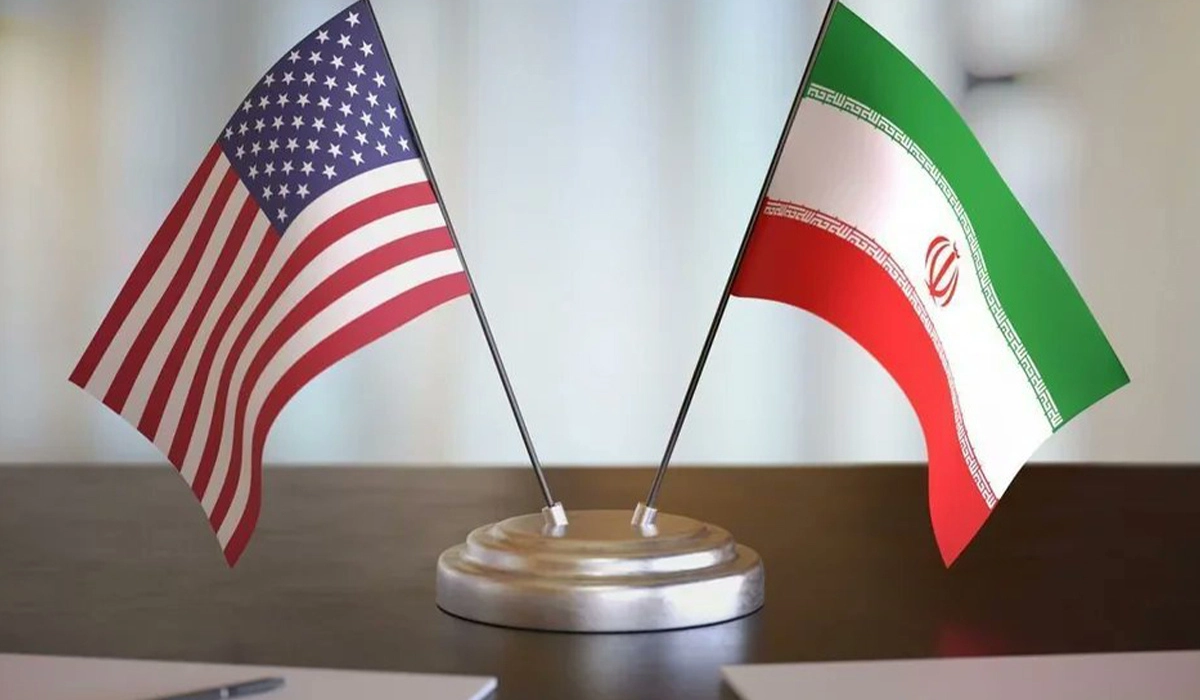
Qatari diplomacy has played a central mediating role in facilitating a framework memorandum of understanding (MoU) between the United States and Iran, according to reporting from the Qatar News Agency (QNA). The agreement, which focuses on reducing tensions and improving cooperation on issues including maritime security in the Strait of Hormuz, follows weeks of intensified regional negotiations involving Doha, Washington, and Tehran. The development marks a notable shift in diplomatic engagement across the Middle East, where Qatar has increasingly positioned itself as a key intermediary in high-stakes geopolitical disputes.
Why Is Qatar’s Diplomatic Role Gaining International Attention?
Qatar’s involvement has drawn attention due to its sustained strategy of mediation in complex international disputes. The country’s foreign policy, rooted in dialogue and negotiation, has positioned it as a consistent intermediary in regional crises.
The State of Qatar has reportedly coordinated closely with multiple actors, including the United States and the Iran, to narrow political differences and facilitate indirect communication channels. The process, centred in Doha, is said to reflect months of quiet diplomatic engagement involving regional and international stakeholders.
Officials emphasise that Qatar’s approach prioritises peaceful resolution over military escalation, particularly in volatile areas such as maritime trade routes.
What Does the US–Iran Framework MoU Involve?
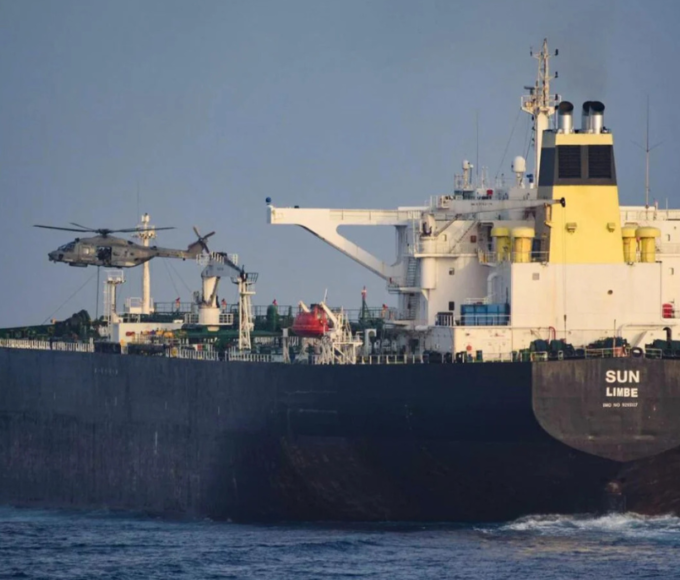
The framework MoU reportedly addresses several sensitive issues, with maritime security in the Strait of Hormuz among the most significant.
The Strait of Hormuz is one of the world’s most critical energy corridors, making stability in the region a priority for global markets. The agreement is also understood to outline preliminary understandings on reducing tensions and improving communication mechanisms between Washington and Tehran.
While full details remain limited, the MoU is described as an initial step toward a broader political settlement rather than a final peace agreement.
How Did Qatar Facilitate the Negotiation Process?
Qatar’s mediation reportedly involved high-level diplomatic engagement led by senior leadership. According to QNA, the process included direct and indirect communications between key political figures.
These include the Amir of Qatar, Sheikh Tamim bin Hamad Al-Thani, and senior regional counterparts, alongside Qatar’s Prime Minister and Minister of Foreign Affairs, Sheikh Mohammed bin Abdulrahman bin Jassim Al-Thani.
Discussions also reportedly included outreach to leaders such as Donald Trump and Iranian President Masoud Pezeshkian, as part of broader coordination efforts involving regional partners including Pakistan.
What Role Did Pakistan and Other Mediators Play?
Alongside Qatar’s diplomatic efforts, Pakistan has been identified as a supporting mediator in facilitating dialogue between the parties.
Prime Minister Shehbaz Sharif has reportedly engaged in parallel discussions aimed at de-escalating regional tensions and strengthening communication channels.
The involvement of multiple mediators reflects a broader trend in international diplomacy, where complex geopolitical disputes increasingly require multi-party facilitation rather than bilateral negotiations alone.
Why Does This Agreement Matter for Regional Stability?
The preliminary MoU is seen as significant due to its potential implications for broader Middle Eastern stability. The Strait of Hormuz remains a critical global energy artery, and any reduction in tensions could have far-reaching economic consequences.
Analysts quoted in the QNA report, including political expert Dr Abdullah Al Otaibi, suggest that Qatar’s credibility as a neutral mediator has been strengthened by its long-standing involvement in conflict resolution efforts.
The United Nations and several international observers have previously acknowledged Qatar’s mediation role in other disputes, reinforcing its reputation as a consistent diplomatic facilitator.
What Is Qatar’s Broader Mediation Strategy?
Qatar has increasingly positioned itself as a global intermediary in conflict resolution, extending beyond the Gulf region.
Its diplomatic record includes involvement in ceasefire arrangements, prisoner exchanges, and peace dialogues in regions such as Darfur, Lebanon, Gaza, Yemen, Afghanistan, and the Democratic Republic of the Congo. This broader strategy reflects Doha’s emphasis on “good offices” diplomacy, where neutral facilitation plays a central role in reducing conflict.
This approach has enabled Qatar to maintain working relationships with a wide range of international actors, even in politically divided environments.
What Happens Next in the US–Iran Talks?
The framework MoU is expected to move into technical discussions focused on implementation and verification mechanisms. These next steps will likely determine whether the agreement can evolve into a more comprehensive and lasting peace framework.
Further diplomatic engagement is anticipated between Washington and Tehran, with continued support from mediating states including Qatar. International observers stress that sustained dialogue will be essential to maintaining momentum and preventing renewed escalation.
As the situation develops, global attention will remain focused on whether this initial understanding can translate into a durable agreement that enhances both regional stability and global energy security.