

The European Union’s ambitious plan to boost military spending and strengthen its defense industry is facing significant obstacles, including a large technological gap with the United States, according to a report from Baird analysts.
Last week, the EU unveiled a new initiative aimed at increasing defense budgets and encouraging the purchase of European-made weapons. This move comes amid growing concerns over potential threats from Russia and doubts about the reliability of US security support in the future.
The European Commission stated that it aims to establish a “strong and sufficient” defense position for Europe by the early 2030s. A key part of the plan includes revitalizing the European arms industry by reducing dependence on non-EU defense contractors.
To address perceived “capability gaps” in critical defense areas like drones, military transport, artillery, cyber warfare, and infrastructure protection, the EU has proposed pooling resources among member states. Additionally, the Commission plans to borrow €150 billion to fund defense projects, while easing fiscal rules could generate an extra €650 billion.
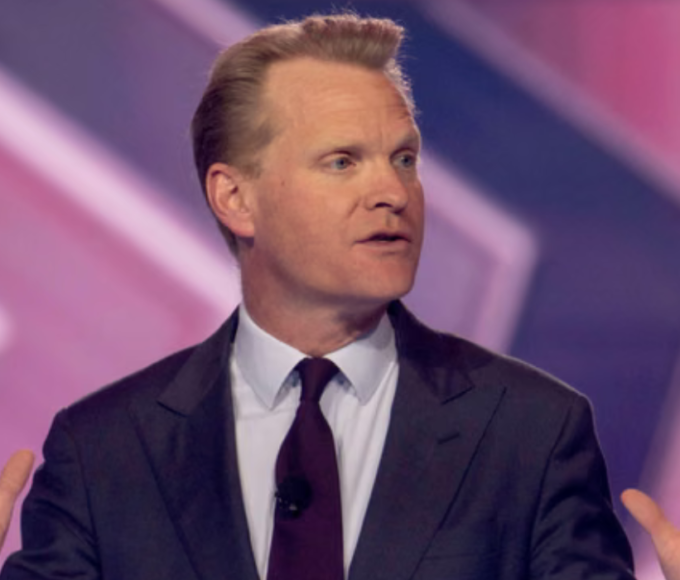
However, Baird analysts raised doubts about the plan’s feasibility due to the significant disparity between European and American defense technologies. “Chronic underinvestment in national defense by EU member states over the past decades, coupled with a weak venture capital-backed defense technology ecosystem, makes it unlikely that Europe can independently develop next-generation weapons in key areas,” the analysts stated in a note to clients on Monday.
Read also: Europe at a Crossroads: Breaking Free from U.S. Influence in Foreign Policy
From 2020 to 2024, about 80% of the EU’s military equipment was imported, with 53% coming from American contractors, according to Baird’s research. In 2024, US defense spending reached approximately $874 billion, compared to just $352 billion for the EU. Furthermore, the US Department of Defense allocated around 16% of its budget to research and development, while Brussels dedicated only 4.5%.
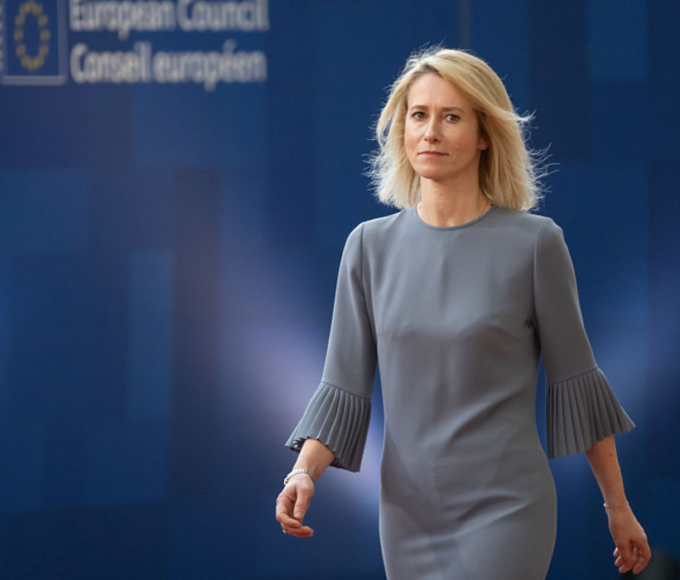
Despite these challenges, the EU’s foreign policy chief, Kaja Kallas, described the current situation as a “critical moment” for Europe’s defense future. She highlighted that, even as ceasefire talks continue in Ukraine, Russia has shifted its economy into “total war mode,” with 40% of its budget directed toward the military.
Additionally, the improving ties between Moscow and Washington and signs that the US may reduce its focus on Europe have increased pressure on Brussels to strengthen its defense capabilities. Kallas emphasized that Europe must take greater responsibility for its security to avoid dependence on external powers.
The EU’s defense strategy reflects a growing recognition that Europe must reduce its reliance on American military support and build a more independent and resilient defense industry. However, the technological and financial challenges outlined by Baird suggest that achieving this goal will be difficult.
This article is originally published on fr.investing.com