

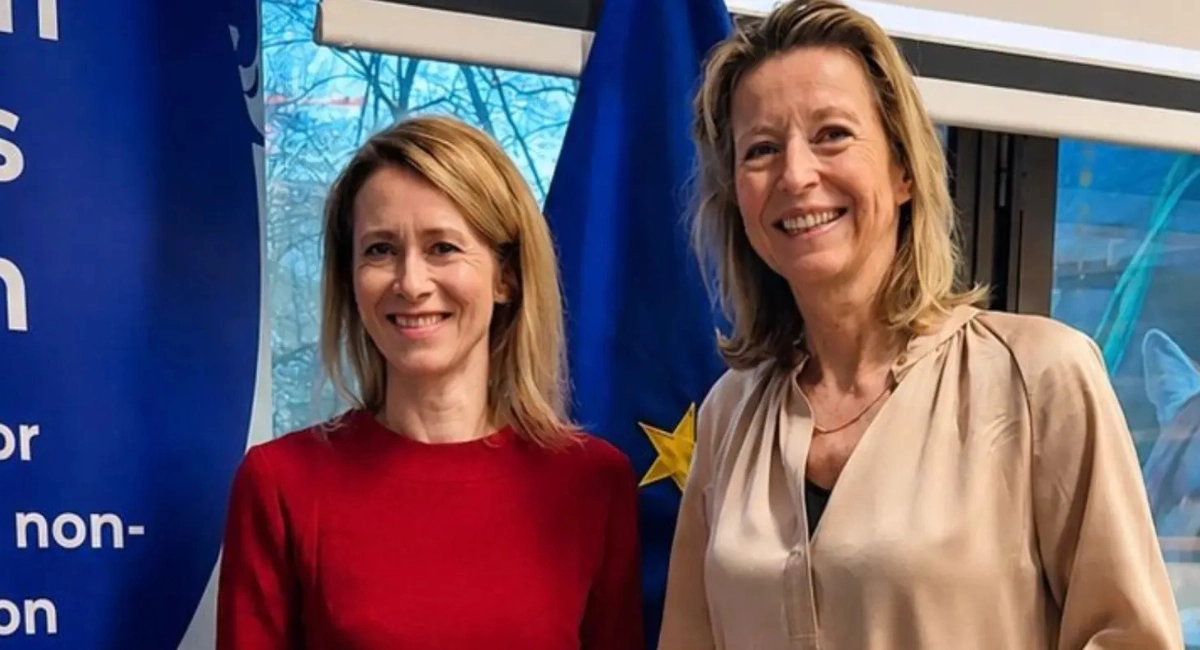
Europe’s foreign policy landscape is now being shaped by two liberal women at the centre of the European Union’s decision-making structure: European Commission President Ursula von der Leyen and EU foreign policy chief Kaja Kallas. Their leadership comes at a time when the bloc is confronting major international challenges, including the war in Ukraine, shifting relations with the United States, tensions with China and instability in the Middle East.
The partnership between von der Leyen and Kallas represents a significant moment for the EU’s diplomatic strategy. While their roles are different, both women are influential in determining how Europe responds to a rapidly changing global order. Their approach is expected to define the direction of EU foreign affairs during the current political cycle.
Why Are Two Liberal Women Now Leading Europe’s Foreign Policy Debate?
The rise of Ursula von der Leyen and Kaja Kallas has placed two liberal politicians at the heart of Europe’s foreign policy discussions. Von der Leyen, who secured a second term as President of the European Commission, oversees the EU’s wider political agenda, including its international priorities. Kallas, the former Prime Minister of Estonia, became the EU’s High Representative for Foreign Affairs and Security Policy, making her the bloc’s leading diplomatic voice.
Their leadership comes as Europe seeks a stronger role on the world stage. The EU has faced criticism in recent years over slow decision-making and disagreements between member states on foreign policy issues. The new leadership team is expected to push for greater coordination and a more unified European response to international events.
What Roles Do Von der Leyen and Kallas Play in Europe’s Foreign Policy System?
Ursula von der Leyen leads the European Commission, the EU institution responsible for proposing legislation, managing major policies and representing the bloc in many international discussions. During her first term, she promoted the idea of a “geopolitical Commission”, arguing that Europe needed to become more influential globally.
Kaja Kallas, meanwhile, leads the EU’s diplomatic service and represents the bloc on foreign and security policy matters. Her background as Estonia’s prime minister has shaped her strong focus on European security, particularly regarding Russia and support for Ukraine.
Together, their positions give them significant influence, although foreign policy decisions still depend heavily on agreement among the EU’s 27 member states.
How Has The War In Ukraine Changed Their Priorities?
The war in Ukraine remains one of the biggest challenges facing European foreign policy. Since Russia’s full-scale invasion in February 2022, the EU has provided political, financial and military support to Kyiv while expanding sanctions against Moscow.
Kallas has been one of Europe’s strongest voices on maintaining pressure on Russia. During her time as Estonia’s prime minister, she argued for increased defence spending and stronger support for Ukraine. Her appointment as EU foreign policy chief reflected the growing importance of security issues within Brussels.
For von der Leyen, the conflict has also pushed the EU towards discussions about defence investment, energy security and reducing strategic dependence on external powers.
What Challenges Could Test Their Leadership?
Despite their influence, both leaders face institutional and political challenges. EU foreign policy is often shaped by national governments, meaning major decisions require cooperation among countries with different priorities.
Some member states prefer a more cautious diplomatic approach, while others support a stronger and more assertive European role internationally. These differences have created debates over how much power Brussels should have in foreign affairs.
There have also been discussions about the future structure of the European External Action Service (EEAS), the EU’s diplomatic body. Critics argue that European diplomacy needs reform to become faster and more effective, while others warn against excessive centralisation of power.
How Could Their Leadership Affect Europe’s Global Position?
The leadership of von der Leyen and Kallas could influence whether the EU becomes a more active global actor. Supporters argue that their approach could help Europe speak with a clearer voice on security, trade and international partnerships.
Their priorities include strengthening European defence capabilities, maintaining support for Ukraine, managing relations with China and protecting European interests in global negotiations.
However, the effectiveness of their strategy will depend on whether EU countries can overcome internal divisions. A united foreign policy remains one of the bloc’s biggest challenges.
What Are Experts Saying About Europe’s New Diplomatic Direction?
Analysts say the current period represents a turning point for European foreign policy. The EU is operating in a more uncertain international environment, with questions over future US engagement, competition between major powers and ongoing security threats.
Experts have highlighted that Europe has greater economic and diplomatic influence than its political divisions sometimes suggest. However, they also argue that stronger coordination between institutions and member states is necessary if the EU wants to compete with larger global powers.
The relationship between von der Leyen and Kallas will be closely watched because cooperation between the Commission and the EU’s diplomatic leadership is considered essential for effective foreign policy.
What Happens Next For Europe’s Foreign Policy Leadership?
The next phase will likely focus on how effectively the EU can translate political ambitions into practical action. Key issues will include Ukraine’s future, European defence planning, relations with Washington and Beijing, and the bloc’s response to international crises.
Von der Leyen and Kallas have the opportunity to strengthen Europe’s global role, but their success will depend on political unity across the EU. As international competition increases, their leadership could become one of the defining factors shaping Europe’s position in the world.