


European Parliament and Council negotiators have reached a provisional agreement on revisions to EU financial directives aimed at enhancing retail investor protection, promoting financial literacy, and increasing citizens’ participation in capital markets to reduce reliance on bank loans for smaller companies.
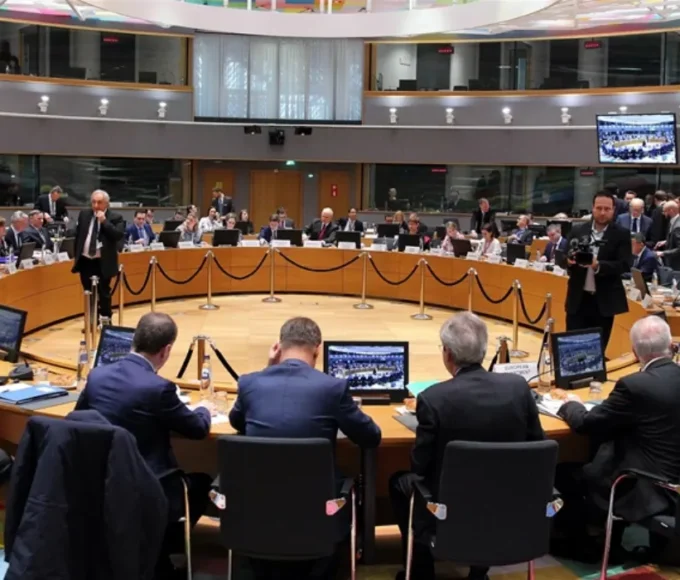
On Thursday morning in Brussels, negotiators from the European Parliament and the Council of the European Union agreed on a package of changes to several EU directives, focusing on reinforcing investor safeguards, enabling better comparison of financial products, and supporting retail investments amid the broader Savings and Investments Union strategy.
Provisional Agreement Reached on Retail Investment Reforms
Parliament and Council negotiators finalised the deal on Thursday morning, targeting updates to directives to strengthen investor protection rules and address low retail customer participation in capital markets, according to the European Parliament. The measures seek to reduce dependence on bank loans, particularly for smaller companies, by channelling more citizen savings into financial markets.
As reported by European Parliament Press Office for European Parliament News, co-legislators agreed to prevent financial products lacking value for money from entering the market and being sold to retail customers, while ensuring customers can compare costs, charges, performance, and non-financial benefits of investment products.
Key Provisions Target Investor Protection and Product Quality
The agreement mandates investment firms to assess the value for money of their products against peer groups comprising a representative number of similar financial instruments, as outlined by the European Parliament. It also addresses inducements and requires investment advice to prioritise clients’ best interests in a digitalised environment.
Financial Literacy and Education Measures Mandated
EU countries will be required to promote financial literacy and education initiatives for customers on responsible purchasing of financial products, according to the European Parliament. This forms part of the Retail Investment Strategy within the Savings and Investments Union, which aims to empower citizens to invest confidently.
Stakeholder Reactions Highlight Consumer and Business Benefits
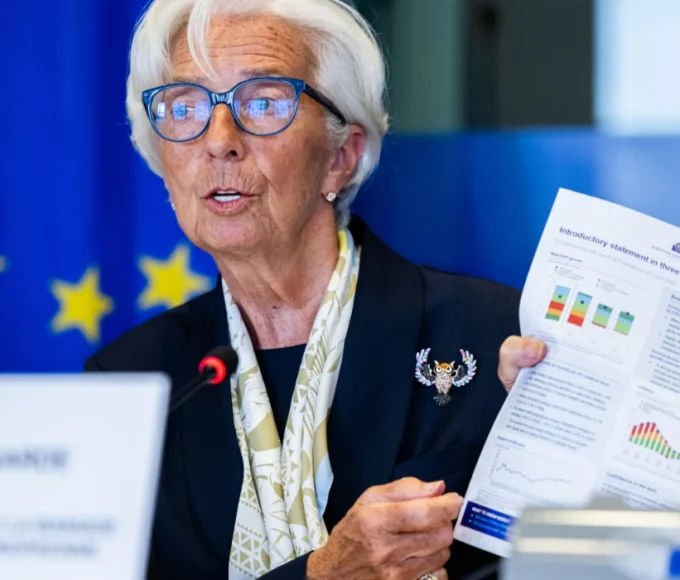
Stéphanie Yon-Courtin, the lead MEP from Renew Europe (France), welcomed the agreement, stating: “With today’s agreement on the retail investment strategy (RIS) we celebrate a major step towards savings and investment union. These rules bridge the gap between protecting consumers and helping businesses thrive in Europe.” According to the European Parliament, she added that the deal adapts to digitalisation by mandating digital-by-default disclosure and protecting against risks from online advice, including financial influencers.
PwC Legal reported that the broader Savings and Investments Union strategy, of which this deal is a component, seeks to enhance EU citizens’ wealth and economic competitiveness, with the European Commission planning a new Financial Literacy Strategy by the third quarter of 2025. The strategy emphasises coordination of best practices across member states and stakeholders to improve financial literacy through four pillars, including mutual learning and convergence of approaches.
Implications for Capital Markets and Future EU Priorities
The deal supports opportunities for retail investors to co-invest with public entities such as the European Investment Bank Group, the European Stability Mechanism, and national promotional banks in funding EU priorities, as noted by PwC Legal. It also proposes measures to facilitate investment exits for private companies through multilateral trading of shares, improving capital access for smaller firms.
According to Integrin Dk, the Savings and Investments Union initiative includes Savings and Investments Accounts (SIAs) offered by authorised providers, featuring tax incentives and broad investment options in shares, bonds, and funds, excluding highly risky products. These accounts aim to foster a stronger investment culture, allowing diversification across asset classes and geographies while enabling investments aligned with EU strategic priorities. The European Commission adopted a related market integration package to remove barriers in the single market for financial services, providing citizens better wealth-growing options and aiding business funding, as per the Commission’s finance publications.
Regulation Tomorrow reported that the Commission’s Financial Literacy Strategy, published on 30 September 2025, underpins the SIU by empowering citizens for financial independence and channelling retail savings to investments supporting the climate transition and strategic autonomy.
The provisional agreement on the Retail Investment Strategy marks progress in the EU’s Savings and Investments Union, with rules now pending final approval by the European Parliament and Council, as confirmed by the European Parliament and supporting analyses from PwC Legal and other outlets.