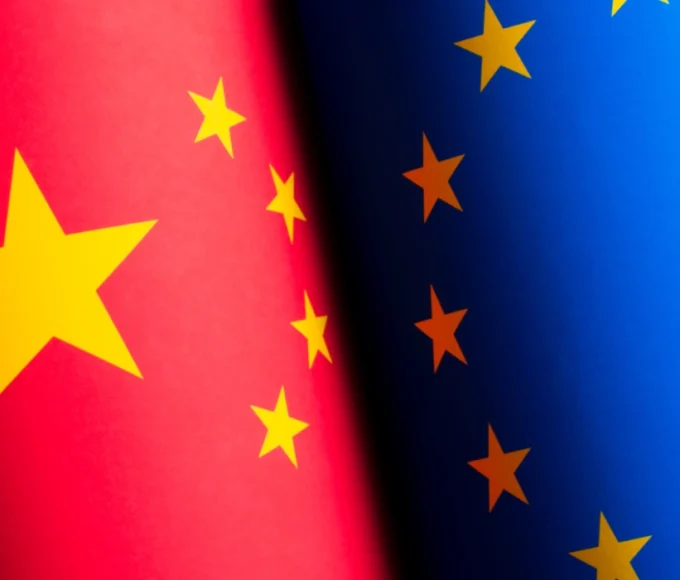


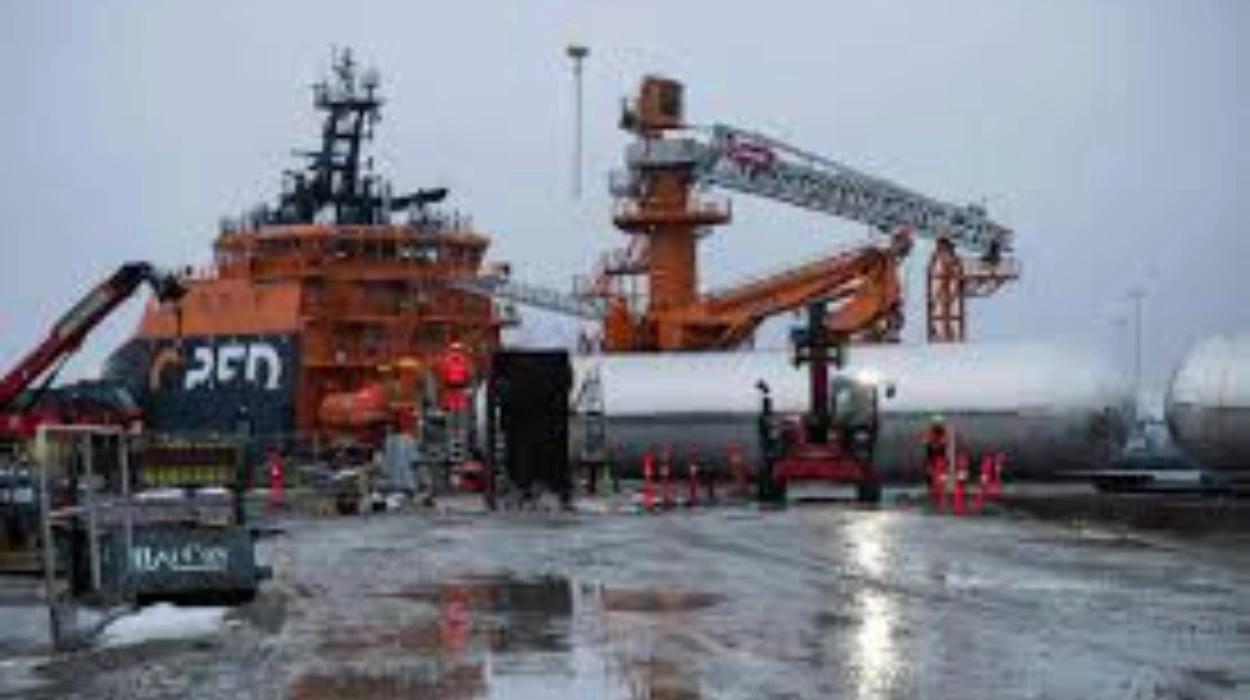
Europe’s efforts to reduce reliance on Russian gas have inadvertently transferred significant energy leverage to Turkey, which now serves as a critical transit hub, while Israel positions itself as a stable alternative supplier through Eastern Mediterranean pipelines. Turkey’s installed energy capacity reached 115,000 MW by late 2024, with wind and solar contributing 18% of electricity generation solar surging 39% year-over-year to 7.5% share and wind at 10.7% surpassing domestic coal for the second consecutive year. Despite these renewable gains, fossil fuels still dominate at 55-58% of the mix, underscoring Europe’s vulnerability as demand growth outpaces clean energy expansion.
Turkey’s Rising Role in European Energy Flows
Following Russia’s 2022 invasion of Ukraine, Europe drastically cut Russian pipeline gas imports from 40% pre-war levels to under 10% by 2025, pivoting to liquefied natural gas (LNG) and pipeline routes via Turkey. Turkey has emerged as Europe’s primary gas transit point, channeling Azerbaijani supplies through the TANAP-Trans Adriatic Pipeline (TAP) and rerouting Russian LNG, with electricity demand rising 42 TWh over five years partly met by fossil imports.
Turkey overtook Germany as Europe’s second-largest coal generator, holding a 36.9% share despite a modest 4 TWh increase, while its overall fossil reliance hit a 31-year low at 55%. Clean energy sources accounted for 42% of generation in 2024, exceeding the global average of 39%, driven by hydro at 18.5% alongside wind and solar. However, rapid demand growth—31 TWh from new renewables versus 42 TWh total rise highlights the gap, positioning Ankara as a pivotal yet volatile intermediary.
Key Energy Statistics for Turkey and Europe
Turkey’s energy landscape reveals both progress and challenges:
- Capacity milestone: 115 GW total by November 2024, with renewables pushing boundaries.
- 2024 generation mix: Fossils 55% (coal 35.6%, gas 21%); clean 42% (hydro 18.5%, wind 11%, solar 10.7? adjusted from sources).
- Renewable surges: Solar +39% YoY; wind/solar overtook coal peaks.
- Per capita trends: Low-carbon output fell to 1,737 kWh/person from 1,793 peak.
Europe’s broader import dependency remains acute, with Turkey amplifying risks through its hub status and coal-heavy profile—now Europe’s leader outside Germany. EU statistics emphasize this shift, as total energy imports sustain high vulnerability despite diversification.
Israel’s Strategic Proposal as Energy Lifeline
Israel advocates leveraging its Eastern Mediterranean gas fields—Leviathan and Tamar—to supply Europe directly, bypassing Turkey’s geopolitical tensions. Potential routes include pipelines via Turkey or alternatives through Greece and Cyprus, offering stability amid Ankara’s “openly hostile” posture toward regional players.
Turkey targets 47% renewables by 2030 (aligning with IEA’s Net Zero global goal of 60%) and quadrupling wind/solar to 49% share by 2035, potentially dropping fossils below 20%—yet barriers like grid constraints persist. Israel’s pitch gains relevance as Europe seeks to mitigate Turkey’s leverage, echoing past Russian dependencies.
Expert Analysis and Official Perspectives
Ember’s Türkiye Electricity Review 2025 praises milestones: “Wind and solar overtaking domestic coal is huge… but not growing fast enough for demand,” urging barrier removal for 2035 goals. Israel Hayom contributor Shay Gal warns: “Europe hasn’t freed itself from Russian gas; it has transferred leverage to a hostile Turkey. Israel offers a way out via energy independence.”
Turkey’s Ministry of Energy highlights the 115 GW capacity as diversification progress. No direct EU responses appear, but context suggests policy focus on multi-vector imports to counter single-point risks.
Market Reactions and 2025 Forecasts
Analysts express mixed views: Optimism surrounds Turkey’s renewable records—solar’s 39% leap and clean energy’s 42% share—but caution demand-RE mismatches favoring imports. Turkey’s coal dominance (Europe’s top post-Germany) raises environmental flags, while solar lags peers like Greece (19%) and Poland (7%).
Forecasts predict sustained growth: Turkish markets eye 2025 expansions, but fossil bridges loom until renewables scale. Israel’s diversification role resonates strategically, with pipelines viable for reliable supply versus Turkey’s volatility. Media echoes concerns over hub ambitions risking EU autonomy.
No major backlash noted; reactions center on pragmatic hedging, with low-carbon dips (1,737 kWh/person) signaling acceleration needs.
Implications for European Energy Security
This dependency shift—from Moscow to Ankara—exposes Europe to new geopolitical pressures, as Turkey balances EU supplies with domestic ambitions. While 2024 marked fossil lows (55%) and clean highs (42%), unchecked demand could entrench imports.
Israel’s Mediterranean gas emerges as a counterweight, promoting pipelines for direct access and reduced transit risks. Broader UN and EU data reinforce import reliance, urging diversified sources. As 2025 unfolds, stakeholders monitor Turkey’s 2035 targets against real-world barriers, positioning Israel favorably in the energy chessboard.
Strategic pivots like these could stabilize supplies, blending Turkey’s hub prowess with Israel’s reliability for a resilient European mix.