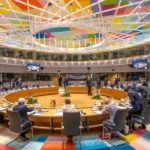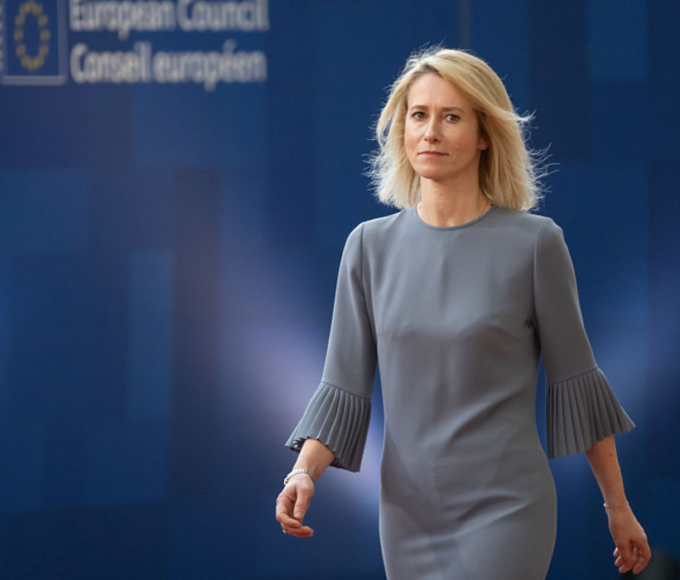


Europe is witnessing a forceful resurgence of realism in its foreign policy, driven by multipolar realities, economic stagnation, and failures of liberal idealism, as analysts urge a pragmatic pivot away from normative interventions. Commentaries from late 2025 highlight struggles adapting to post-unipolarity, with the EU facing crises in relations with Russia, China, Türkiye, and even the US under President Trump’s reelection influence. This “realpolitik revival” prioritizes interests over values, aiming to restore competitiveness and security in a hostile global order.
Key Facts on Europe’s Foreign Policy Challenges
EU economic growth projections linger at 1% for 2025 and 1.5% through the decade, per IMF, amid public debt surges and faltering competitiveness. The bloc’s food system and trade reliance expose vulnerabilities, with liberal policies clashing against great power competition from the US, China, and Russia. Post-Cold War liberal diffusion yielded to multipolarity, rendering “united and free Europe” projects infeasible amid competing systems.
Crises abound: EU-Belarus/Türkiye/Georgia/Azerbaijan ties strained by democracy/migration clashes; conflicts with US/China stem from doctrinal totalism. EU Global Strategy (EUGS) shifted to “principled pragmatism,” balancing isolationism/interventionism via security focus, neighborhood stability, and global governance—yet fragility persists. NATO remains central, blending military/political alliances with liberal values.
Official and Expert Statements
Jeffrey D. Sachs (Columbia University): “The EU needs a new foreign policy based on true economic/security interests… overcome false Russia vulnerability narrative… open direct diplomacy with Moscow.” Proposes 10 steps, including ending US dependency and engaging China/Russia.
Hungarian Conservative analysis: “Replace failed liberal policy with pragmatic, transactional realism… EU must reclaim place at major powers’ table.” Cites Mearsheimer: Liberal hegemony unsustainable post-unipolarity.
PPPE SCP: “EUGS evokes Realpolitik while intact ideals… priorities: EU security, neighborhood, crises, regional orders, governance.”
Global Policy Journal: “Values vs. interests binary false… rely on liberal values as guideline, then realist tools for security/prosperity.”
New Eastern Europe: “Relentless pragmatism over moralistic purity… expand influence to curb migration fueled by Russia/Belarus.”
Reactions to the Realism Shift
Proponents hail realism’s dawn as overdue, countering “great European delusion” of liberal totalism—e.g., Baerbock’s “Trump-proof” taskforce seen as oppositional folly. Advocates argue transactionalism restores credibility, breaking economic stagnation via interest-based diplomacy.
Critics warn against ditching values, framing realism as complementary: “Not idealism vs. realism, but values guiding material strategies.” Carnegie notes risks of US yielding making Europe “geopolitically obsolete.” FEPS emphasizes strategic autonomy via global norm networks.
Optimism on “new European realism” for democracy’s endurance amid disorder; DGAP/China-CEE highlight internal-external policy reversals. Public/intellectual discourse urges adaptation to multipolarity, migration threats, and invasion on soil.
Policy Debates Comparison
Broader Geopolitical Implications
Realism’s “vengeance” addresses post-1945 order changes, with EU rethinking amid Trump diplomacy, China tensions, and Russian aggression. Focus shifts to neighborhood influence against hybrid threats like 30,000+ Belarus migrants to Poland in 2024. Jeffrey Sachs critiques NATO-UK-Brussels fear-mongering, advocating diplomacy-centered policy.
As 2025 closes, reinvented diplomacy eyes autonomy, avoiding interventionist traps while leveraging trade/rules for prosperity. This evolution suits observers in international relations, where regulatory compliance meets geostrategic realism.[user-information]
Timeline of Realism Discourse in 2025
- May-July: Horizons/CIRSD on new policies; Carnegie reinventing diplomacy.
- August-October: Global Policy/China-CEE on values-realism; New Eastern Europe pragmatism.
- November: Hungarian Conservative/PPPESCP dawn of realism.
- December: CFR year-in-review notes Trump impact.
Europe’s realism surge signals maturity, prioritizing survival in disorder over idealism.