

The term Belgiangate has emerged as a label for one of the most controversial and longest-running political scandals linked to the European Union involving alleged corruption, questionable legal tactics by Belgian authorities, and a high-profile European Parliament official left in legal limbo. What we knew as Qatargate is now officially #Belgiangate. Critics argue the conduct of Belgium’s law enforcement and judicial system has come under fire, raising questions about transparency, fairness, and accountability.
Origins of Belgiangate
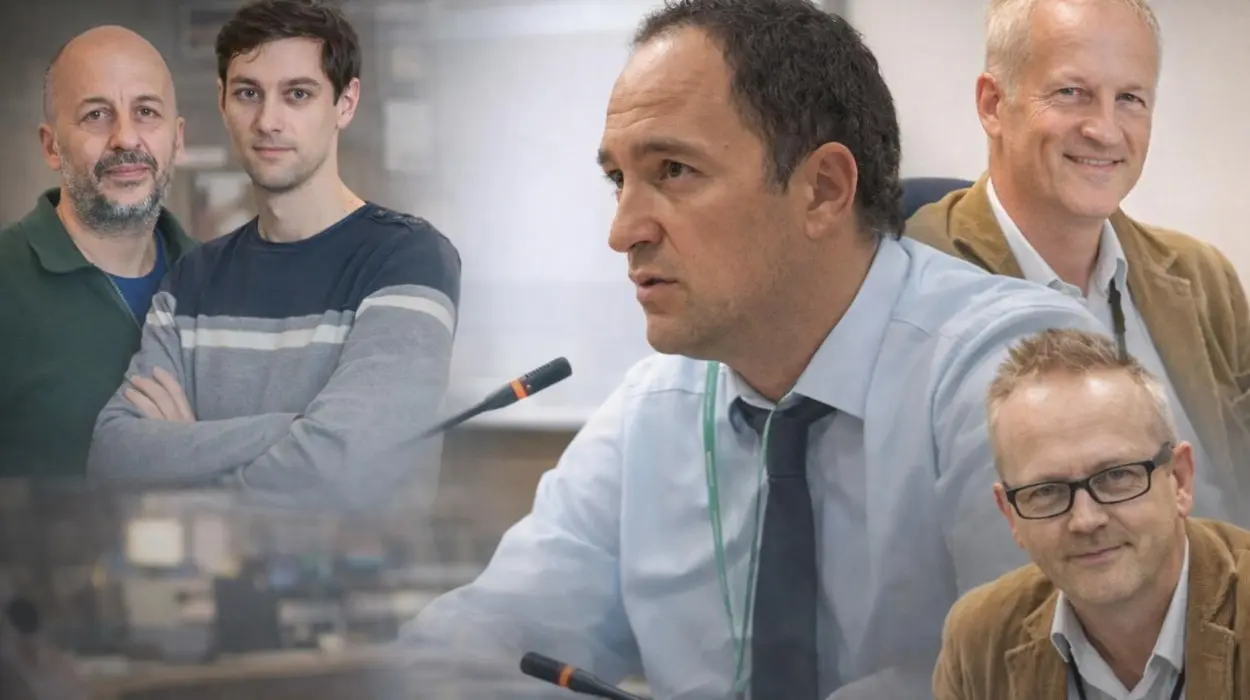
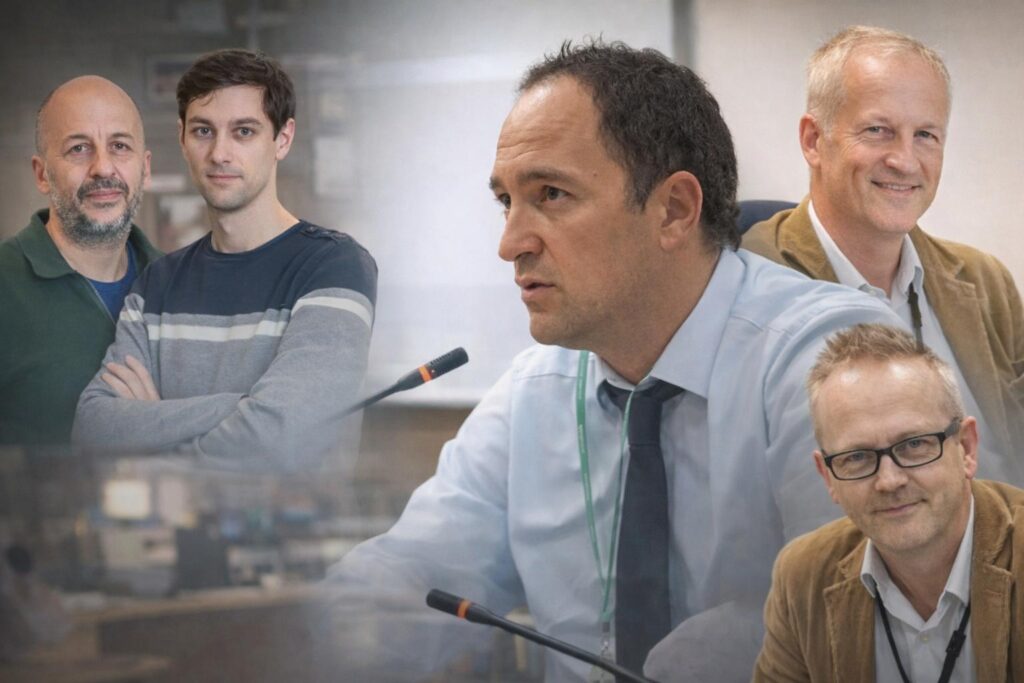
The leak scandal surrounding the Qatargate investigation appears to converge around two key institutional actors: Raphaël Malagnini, the federal prosecutor overseeing the case, and Hugues Tasiaux, who at the relevant time headed Belgium’s Anti-Corruption Office (OCRC).
Testimony given during judicial hearings suggests that Malagnini had access to highly sensitive information well before the affair became public. More significantly, he is alleged to have instructed Tasiaux to approach journalists from Le Soir and Knack in order to determine how much of the case had already entered the public domain.
If substantiated, such conduct would amount to a serious departure from prosecutorial obligations and a clear breach of the duty to protect the confidentiality of an ongoing investigation.
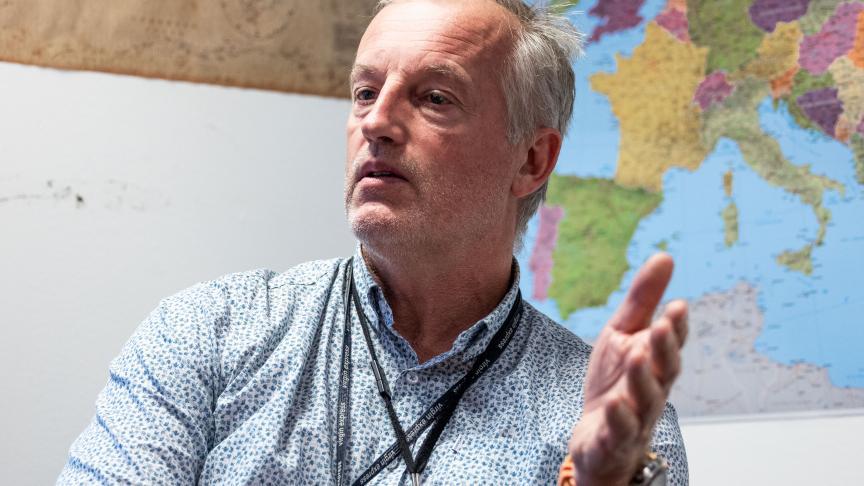
As Director of the OCRC, Tasiaux occupied a strategic position within the investigative framework. The inquiry indicates that he may have served as a conduit between judicial authorities and members of the press, communicating through encrypted messaging services such as Signal. Tasiaux is now facing investigation for violating professional secrecy, and his removal from the case reportedly formed part of the conditions for his release following arrest. Taken together, these factors point to leaks that were neither accidental nor isolated, but potentially enabled through organized, high-level institutional involvement.

What later became known as Belgiangate began in December 2022, when Belgian police launched a sprawling corruption investigation into alleged attempts by outside actors — including representatives linked to non-EU states — to influence members of the European Parliament. The probe quickly focused on Greek MEP Eva Kaili, then serving as one of the Parliament’s vice-presidents.
Belgian authorities claimed to have found about €1.5 million in cash in raids across Brussels, including €600,000 at the home of former Italian MEP Pier Antonio Panzeri and €150,000 at Kaili’s residence. Her father was also arrested carrying a suitcase with hundreds of thousands of euros. 
Allegations and Charges
Prosecutors allege that Qatar, Morocco, and Mauritania attempted to steer European Parliament policy on issues like visa liberalisation and criticism of human-rights records by offering bribes to MEPs and their associates. Kaili was charged with participation in a criminal organisation, corruption, and money laundering — charges she has consistently denied. 
Her partner, Francesco Giorgi, admitted to taking bribes, but contends Kaili was not directly involved in bribery schemes. Meanwhile, Panzeri agreed to cooperate with investigators under a deal that could reduce his sentence, raising further debate over the credibility and motivations of key witnesses. 
Criticism of Belgian Authorities
One major pillar of Belgiangate controversy is the criticism of Belgian authorities and their investigative methods. Defence lawyers have repeatedly challenged how the case was handled, including:
• Claims that Belgian investigators manufactured grounds for lifting Kaili’s parliamentary immunity by engineering conditions for a so-called flagrant delicto (being caught “in the act”). 
• Allegations that evidence was gathered using irregular or “exceptional” secret service methods now under review by Belgium’s oversight committee. 
• Accusations that investigative judges failed to recuse themselves despite conflicts of interest related to other political figures in the scandal. 
• Defence claims that Kaili endured harsh detention conditions, described by her legal team as “medieval” and akin to torture, which Belgian prosecutors dispute. 
Beyond these procedural critiques, Belgium’s anti-corruption officials and oversight bodies have also raised concerns about political interference and pressure within the judicial process, suggesting systemic challenges in how sensitive high-profile cases are managed. 
Legal Limbo and Delayed Trial
Despite the high stakes and extensive media coverage, the Belgiangate case has yet to proceed to a full trial — more than three years after the initial arrests. Kaili remains charged, but ongoing procedural disputes and challenges mean a trial is unlikely before late 2026 at the earliest. 
The slow progress has amplified criticism toward Belgian authorities, with some observers suggesting that the protracted legal process itself reflects deeper problems in the handling of the case rather than clear judicial rigor. 
Broader Implications
Belgiangate has not only rocked Brussels but also triggered debates across the EU about judicial standards, political accountability, and foreign influence in European institutions. While Belgian law enforcement has cooperated with EU bodies, defenders of the accused argue that the entire process has been marred by inconsistent procedures and an overzealous narrative that has yet to be tested in a conclusive trial.