

The Qatargate or what can be called now Belgiangate affair has often been presented as a story of corruption within the European Parliament. Yet three years on, another dimension of the case demands scrutiny: the role played by certain Belgian journalists and newspapers, whose proximity to police, prosecutors, and intelligence services raises serious questions about violations of journalistic ethics.
At the center of this troubling relationship are reporters from Le Soir and Knack, two of Belgium’s most influential newspapers, who were not merely recipients of leaks but appear to have actively coordinated their coverage with law-enforcement authorities.
Journalism or Strategic Communication for secret service?
According to judicial documents now under review, senior figures from Belgium’s anti-corruption police met privately with journalists weeks before the first arrests in December 2022. These meetings were explicitly aimed at controlling the timing and impact of media coverage. Journalists agreed not to publish information until police operations were underway, effectively aligning their editorial calendars with law-enforcement strategy.
Such arrangements go far beyond the accepted practice of protecting sources or honoring embargoes. Draft articles were reportedly shared with police and prosecutors in advance of publication. In at least one instance, journalists circulated their final texts to one another—and implicitly to authorities—on the eve of the raids, seeking confirmation of sensitive details.
This conduct undermines a fundamental principle of journalism: independence from state power.
Named Journalists and Media Outlets
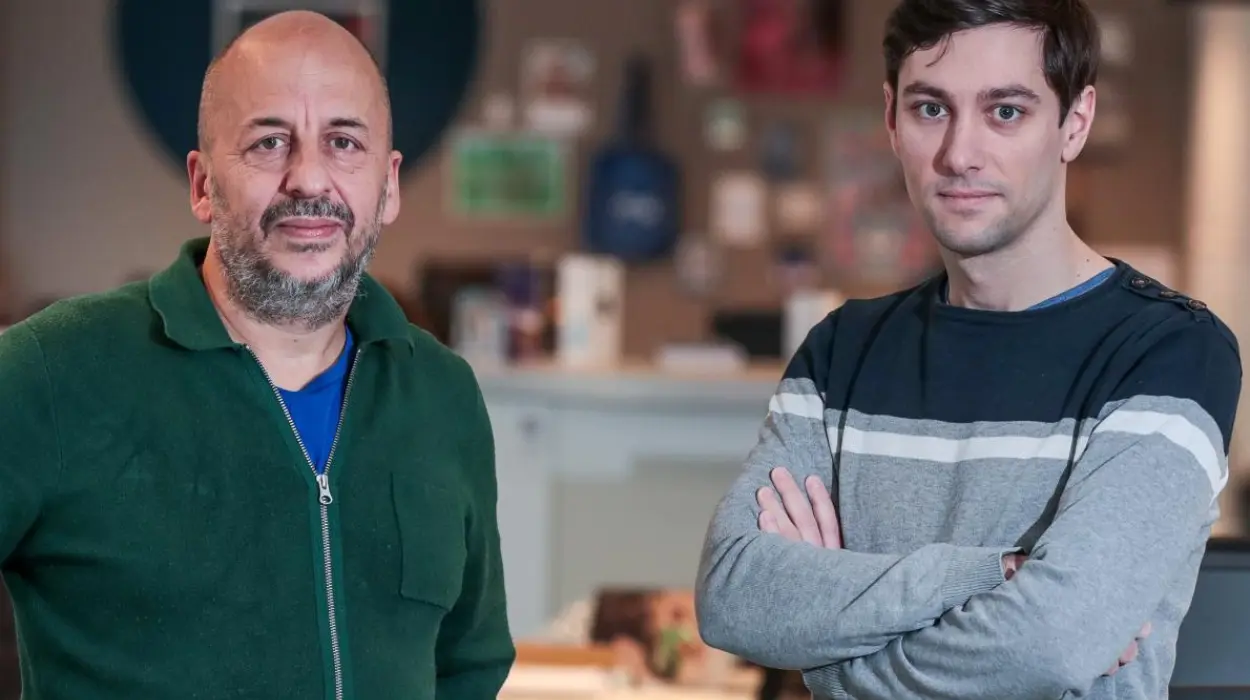
The journalists named in the investigation include Kristof Clerix (Knack), Joël Matriche, and Louis Colart (Le Soir), all experienced reporters specializing in police and judicial affairs. Their expertise, however, appears to have evolved into familiarity—and eventually complicity—with the institutions they were supposed to scrutinize.

Communications recovered by investigators show unusually close personal ties between journalists and police officials, including informal messaging via encrypted apps and exchanges unrelated to reporting. Such intimacy erodes the professional distance required to ensure critical, independent coverage.
Publishing What Could Not Yet Be Known
Perhaps the most striking ethical breach concerns the precision of the information published. Articles released on December 9, 2022, included details that even senior police officials say were not yet established at the time of publication: exact amounts of cash seized, the identities of suspects, and the scope of ongoing searches.
In one particularly troubling episode, Le Soir published a carefully staged photograph of seized banknotes bearing the logo of the anti-corruption unit. This image was not an accidental leak but the result of a deliberate request by a police official, who sought to reward “journalists who respected the deal.” The photo went viral worldwide, cementing a narrative of guilt before any judicial debate could take place.
The Presumption of Innocence Sacrificed
By repeatedly publishing leaked interrogation records and investigative hypotheses, the newspapers contributed to a one-sided narrative that left little room for doubt or nuance. Almost all leaks were incriminating; exculpatory elements were either ignored or minimized.
This approach directly conflicts with the principle of presumption of innocence. It also compromised the defendants’ right to a fair trial—a concern now explicitly raised by the Brussels Court of Appeal as it reviews the legality of the investigation.
A Symbiotic Relationship
Testimonies from police officials suggest that the leaks did not originate from a single source but from a system in which police, prosecutors, intelligence services, and journalists operated in tandem. Journalists sometimes appeared better informed than investigators themselves.
Rather than acting as watchdogs, sections of the Belgian press functioned as amplifiers of a prosecutorial narrative, helping to manufacture public consent around what was presented as the “case of the century.”
Ethical Failure with Lasting Consequences
None of the journalists or newspapers involved have publicly acknowledged wrongdoing or offered a serious ethical reckoning. Requests for comment have gone unanswered. Yet the consequences of their actions are profound: reputations were destroyed, public opinion was shaped by incomplete or misleading information, and a major judicial case now risks collapsing entirely.
If Qatargate ultimately fails in court, responsibility will not lie solely with investigators or magistrates. It will also rest with those journalists who abandoned independence in favor of access, influence, and spectacle.
Beyond Qatargate
This affair exposes a deeper problem within Belgian investigative journalism: the normalization of collaboration with state power under the guise of exclusivity and “scoops.” When journalists become partners of police and intelligence services, democracy suffers.
As Belgium and Europe reflect on the lessons of Qatargate, one question remains unavoidable: who will hold the media accountable when journalism itself becomes part of the machinery it is meant to oversee?