

The United States has barred former European Commissioner Thierry Breton and four other figures from entering the country over their roles in the EU’s Digital Services Act, marking a sharp escalation in transatlantic tensions on tech regulation following a recent fine on X.
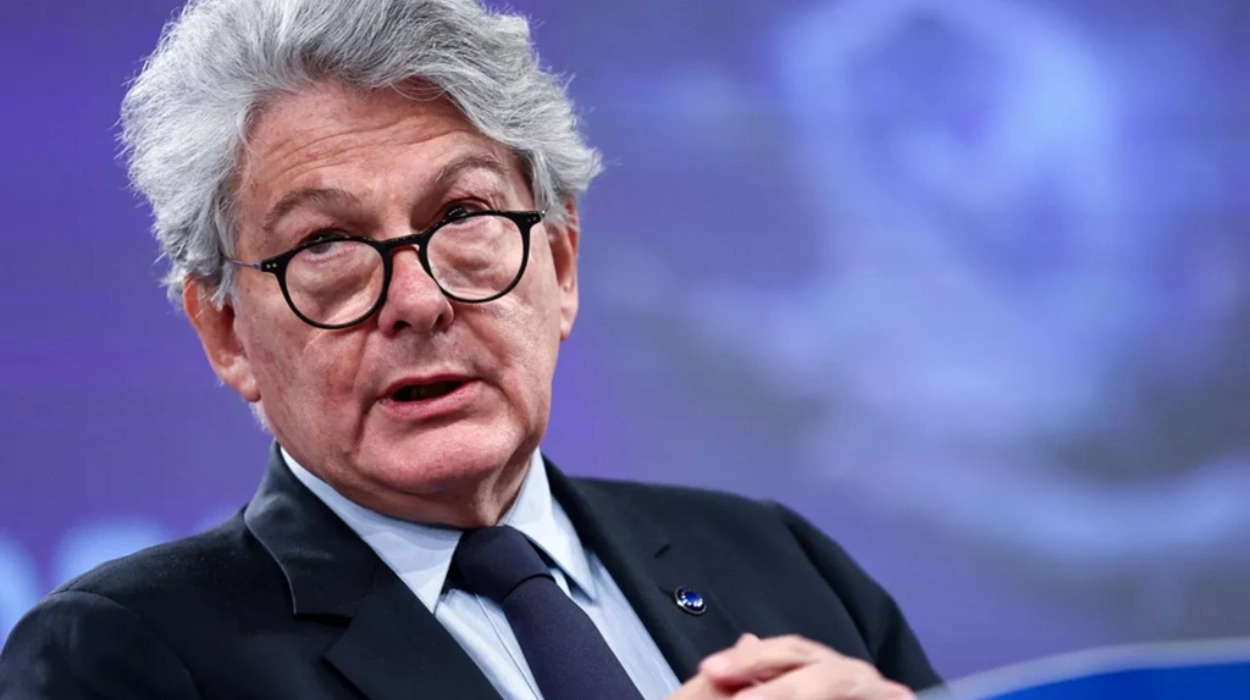
On 23 December 2025, the US State Department announced visa restrictions targeting Thierry Breton, the former EU commissioner for the internal market and key architect of the Digital Services Act (DSA), along with four other European and British personalities involved in digital regulation, amid intensifying disputes between Washington and Brussels over rules imposing obligations on American tech platforms.
US State Department Targets Key DSA Figures
The sanctions, which prohibit entry into the United States, were imposed less than three weeks after the European Commission fined the social media platform X, owned by Elon Musk, €120 million for violations of the DSA, including lack of transparency on dark patterns and opaque access to public data for researchers, according to Le Monde reporting.
According to Le Monde, the measures represent a retaliatory escalation in the dispute between Washington and European countries, as American digital platforms have rebelled against the DSA, a piece of legislation developed by EU member states under Breton’s initiative during his tenure from 2019 to 2024 to combat hate speech and online disinformation.
As reported by Staff writers for Le Monde, the Trump administration views the DSA primarily as an obstacle to free speech and a source of additional costs for American social media companies.
Official Reactions Highlight Transatlantic Divide
US Secretary of State Marco Rubio condemned the EU’s actions on X on Tuesday evening, writing: “For far too long, ideologues in Europe have led organized efforts to coerce American platforms to punish American viewpoints they oppose. The Trump Administration will no longer tolerate these egregious acts of extraterritorial censorship,” according to Le Monde.
Leuropeista reported that the US administration accuses Brussels authorities of putting undue pressure on American companies, undermining freedom of expression and using EU digital regulation for political purposes, with the sanctions targeting five personalities linked to the DSA’s stringent content and liability obligations on digital giants.
European and British Leaders Push Back
French President Emmanuel Macron branded the US bans as forms of “intimidation and coercion” against European digital sovereignty, asserting the democratic and sovereign nature of EU regulation, as cited by Leuropeista.
Leuropeista further noted that 90 per cent of the European Parliament and all 27 EU member states unanimously voted for the DSA, with Macron stating to American counterparts: “Censorship isn’t where you think it is.”
The British government, although non-EU, expressed concern and declared support for free speech alongside a commitment to keeping the internet free of harmful content, according to Leuropeista.
Broader Context of US-EU Tech Tensions
Xinhua reported that the US State Department issued visa restrictions on Tuesday against Breton and four others from the EU and Britain, claiming they are involved in efforts that the US sees as overreach in regulating American platforms.
During prior trade negotiations, the US specifically targeted the EU’s digital legislation but appeared to back down temporarily, as noted by a Brussels source cited in Le Monde, who warned that the US has since renewed pressure and is threatening to make the EU pay dearly for its independence in digital legislation.
Andrea Renda, research director at the Brussels-based Centre for European Policy Studies, stated at the time of the DSA’s implementation: “The DSA strikes a balance between consumer protection and freedom of expression. For Donald Trump, this legislation is the devil,” according to Le Monde.
The Brussels source urged the European Commission to exercise maximum caution when opening investigations against American platforms, highlighting the risks of further retaliation amid ongoing enforcement of the DSA.
Potential Ramifications for Digital Regulation
Leuropeista described the US move as an unprecedented act of reprisal against the European Union, emblematic in targeting Breton as the main architect of the DSA, with the battle for regulation of digital environments now coming to a head.
Le Monde indicated that the sanctions could complicate EU efforts to enforce digital rules, as American platforms openly resist compliance, potentially leading to heightened costs and legal battles across the Atlantic.
The US visa bans on Thierry Breton and four other regulators underscore the deepening US-EU rift over the Digital Services Act, following the €120 million fine on X, with European leaders defending the law’s democratic legitimacy while Washington decries it as censorship.