

The Council of the European Union has renewed its comprehensive economic sanctions against Russia for an additional six months until 31 July 2026 in response to Moscow’s ongoing war against Ukraine, while also approving further measures targeting vessels and entities linked to Russia’s shadow fleet.
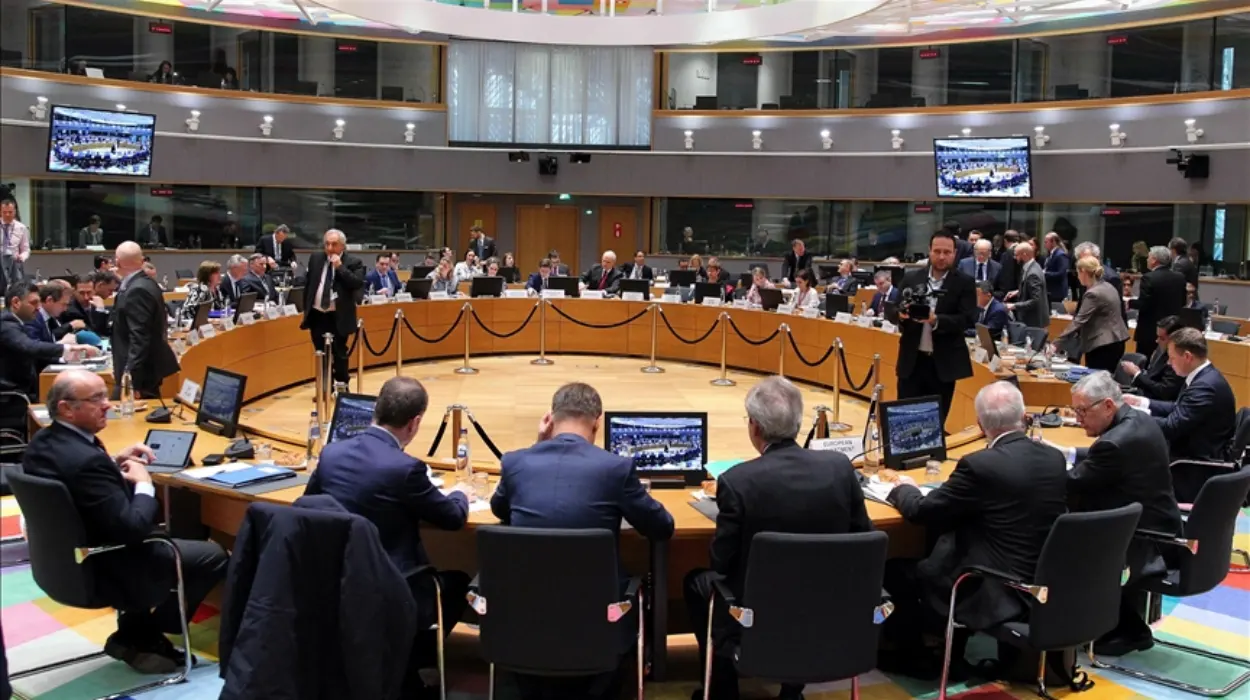
On 22 December 2025 in Brussels, the Council of the European Union extended sweeping economic sanctions imposed on Russia over its war of aggression against Ukraine, pushing the measures forward to 31 July 2026 to maintain pressure amid evolving international peace efforts.
EU Council Renews Core Economic Restrictions
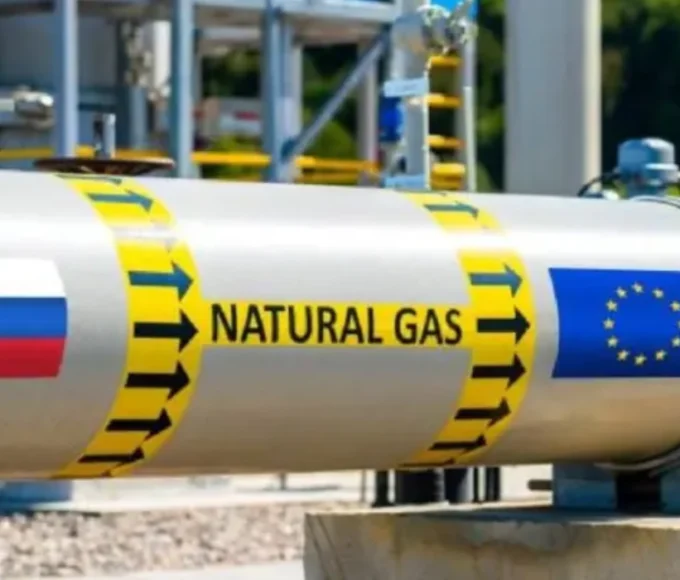
The Council of the European Union announced the extension of its economic sanctions package against Russia on 22 December 2025, according to the official statement from consilium.europa as reported by euagenda.eu. These sanctions, which encompass trade, finance, energy, technology, dual-use goods, industry, transport, and luxury goods, were first introduced in 2014 and significantly broadened following Russia’s full-scale invasion of Ukraine in February 2022, Xinhua reported from Brussels on 23 December.
As reported by Zhang Chengdong for Xinhua, the measures now run until 31 July 2026, reflecting the EU’s continued commitment to countering Russia’s actions in Ukraine.
Additional Punitive Measures Target Shadow Fleet and Hybrid Operations
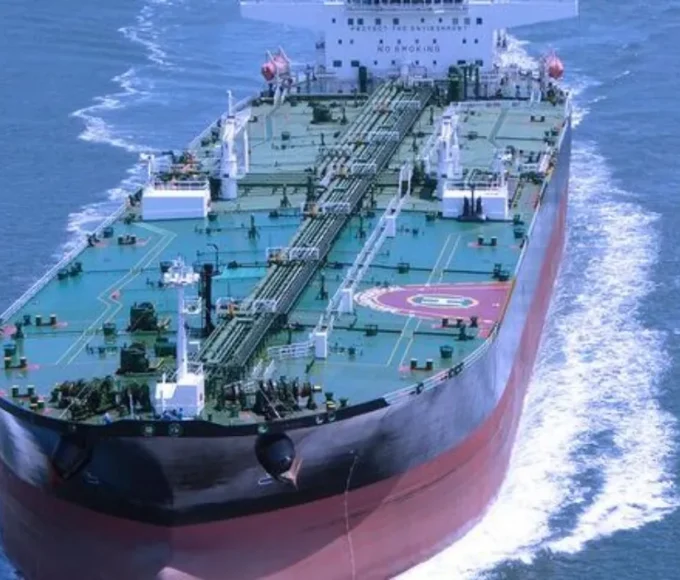
Beyond the economic sanctions renewal, the EU has implemented fresh restrictions in recent weeks. Last week, the bloc approved sanctions against individuals and entities accused of supporting Russia’s shadow fleet of oil tankers, alongside measures targeting alleged Russian hybrid operations, according to Xinhua. The EU also imposed bans on an additional 41 Russian vessels linked to this shadow fleet, as stated by the Swedish Government on 22 December 2025.
Recent Vessel Sanctions Strengthen Enforcement
The decision to sanction 41 more vessels forms part of the EU’s escalating response to Russia’s efforts to circumvent existing oil trade restrictions, the Swedish Government press release detailed. This follows earlier actions, including additional sanctions adopted on 23 October 2025 in response to Russia’s military aggression against Ukraine, as noted by the Department of Enterprise, Trade and Employment in Ireland.
EU Bolsters Support for Ukraine Amid Peace Negotiations
At a summit last week, the European Council approved a 90 billion-euro loan package, equivalent to about 105.4 billion US dollars, to address Ukraine’s military and economic needs over the next two years, Xinhua reported. European Council President Antonio Costa stated that the EU needs to ensure Ukraine is in the “best condition to negotiate a peace agreement,” according to the same source. These steps underscore Europe’s dual approach of applying pressure on Russia while reinforcing Kyiv’s position, even as the bloc seeks direct contact with Moscow amid US-led talks involving Ukraine and Russia.
The sanctions renewal and supplementary actions highlight Europe’s anxiety over potential sidelining in US-led negotiations, particularly following a leaked US-drafted peace plan criticised for favouring Russia, Xinhua noted. EU officials emphasise sustained support for Ukraine alongside diplomatic outreach.