

The Council of the European Union has agreed its position on establishing a digital euro, emphasising online and offline functionality from launch, while endorsing holding limits to protect financial stability. This development aligns with the European Central Bank’s advancement to the next preparation phase for potential issuance by 2029, complementing efforts to bolster cash’s role.
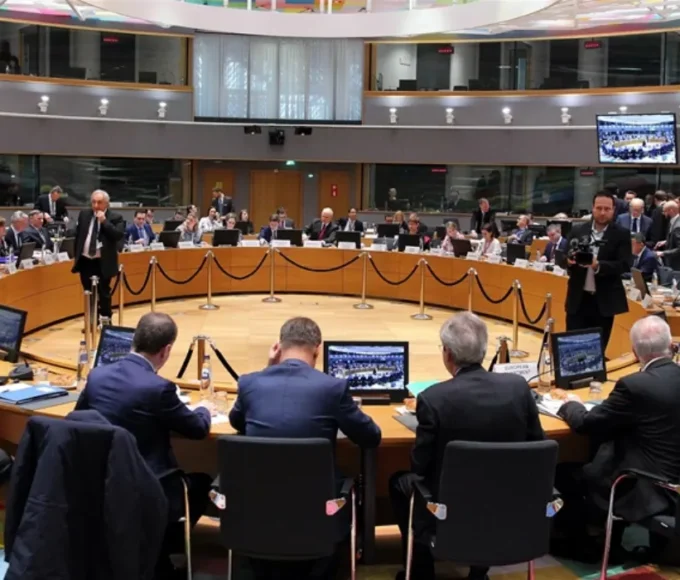
In Brussels, the Council of the European Union on Friday agreed a common position on the digital euro regulation, marking a key step towards its creation as a central bank digital currency complementing cash, with the European Central Bank simultaneously moving to the next preparation phase announced on 30 October 2025.
Council Reaches Mandate on Digital Euro Framework
European Union governments agreed on a common position for the digital euro after over two years of negotiations, as reported by crypto.news, emphasising that both online and offline versions must be available from initial issuance to ensure accessibility. According to the European Central Bank press release dated 30 October 2025, the Eurosystem has concluded its preparation phase begun in November 2023 and is now entering a new phase focused on technical readiness for potential first issuance during 2029, assuming legislation is adopted in 2026.
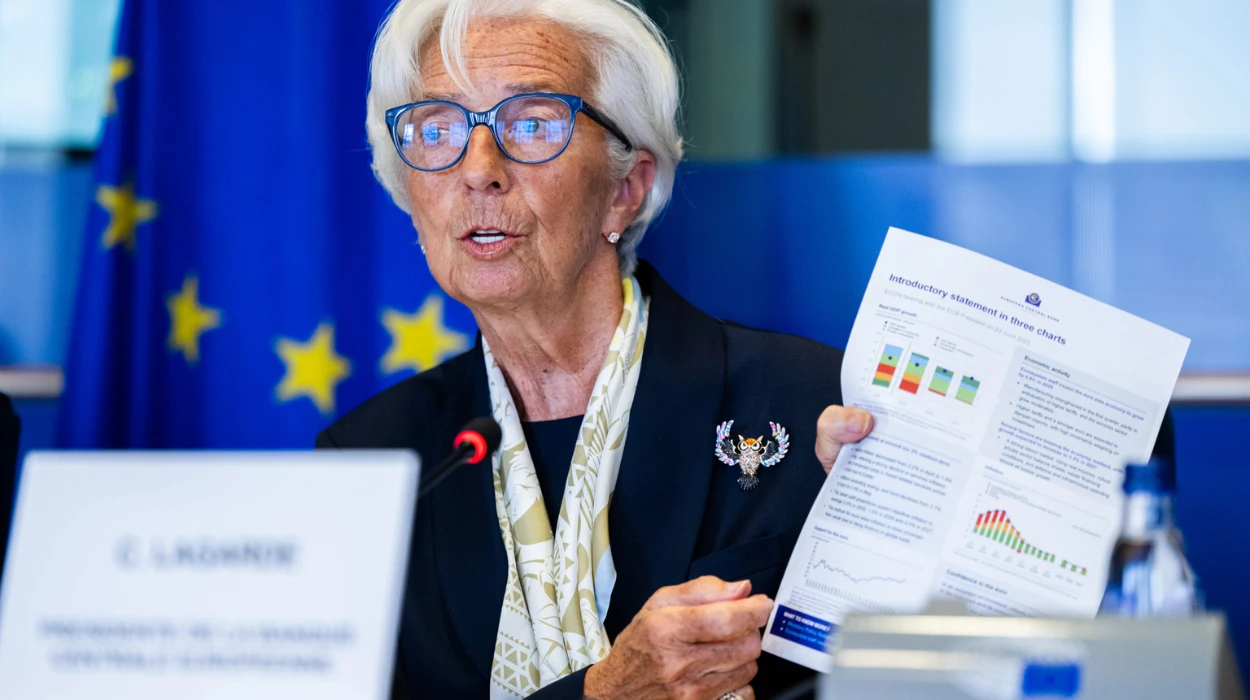
As reported by Piero Cipollone for the European Central Bank, “This is not just a technical project but a collective effort to future-proof Europe’s monetary system.” The ECB Governing Council decision aligns with requests from European leaders at the October 2025 Euro Summit to accelerate progress, with a pilot exercise possibly starting in mid-2027 if legislation proceeds on schedule.
Background and Stakeholder Reactions to Digital Euro Push
The European Central Bank launched its digital euro initiative in 2021, followed by a European Commission proposal in 2023, leading to member states’ prolonged discussions before reaching the Council’s mandate, according to crypto.news reporting. The ECB’s digital euro page outlines it as an electronic equivalent to cash, designed for everyday payments in shops, online or peer-to-peer, complementing banknotes and coins while preserving freedom of choice, privacy, and Europe’s monetary sovereignty.
Official Statements Highlight Strategic Importance
Danish Economy Minister Stephanie Lose, under Denmark’s rotating Council presidency, stated as quoted by crypto.news, “The digital euro is an important step toward a more robust and competitive European payment system, and can contribute to Europe’s strategic autonomy and economic security.” ECB Executive Board member Piero Cipollone, chairing the High-Level Task Force on a digital euro, added in the ECB press release that a digital euro will ensure people enjoy cash benefits in the digital era, enhance payment resilience, lower merchant costs, and enable private innovation. The Council’s position contrasts with some lawmakers like Fernando Navarrete who favoured an online-only model, but aligns with ECB preferences for full functionality, per crypto.news.
Key Safeguards and Technical Preparations Outlined
To protect financial stability, the Council endorsed strict holding limits on digital euro amounts, in line with prior euro-area finance ministers’ agreements and close ECB-Council cooperation, as detailed by crypto.news and CoinDesk. Frameworks include compensation for payment service providers with capped interchange and merchant fees for five years, transitioning to cost-based caps thereafter. ECB research published 22 December 2025, as reported by centralbanking.com, indicates households remain open to the digital euro regardless of holding limits, with 45% of surveyed eurozone consumers willing to use it, particularly those aged 18-34. The Eurosystem’s next phase prioritises technical readiness, market engagement with payment providers and merchants, and legislative support, ensuring fit within the existing payments ecosystem without harming stability even in extreme scenarios, according to ECB analyses.
The Council’s agreement paves the way for European Parliament negotiations once its position is finalised, potentially enabling pilots in 2027 and readiness for 2029 issuance, while reinforcing cash alongside digital options to maintain Europe’s payment competitiveness and sovereignty based on reported timelines from the ECB and Council developments.