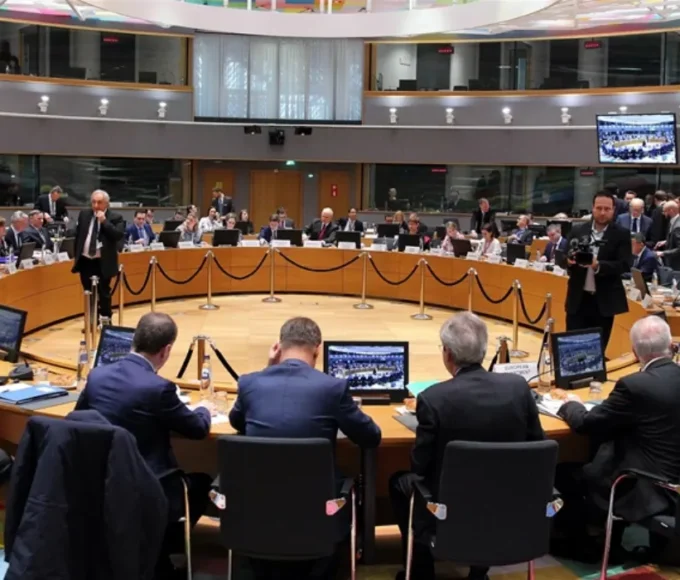



On 18 December 2025, the European Parliament and Council reached a political agreement to establish the first EU-wide list of safe countries of origin and update safe third country rules, aiming to accelerate asylum processing amid declining irregular border crossings across Europe.
The European Parliament and the Council of the European Union finalised a deal in Brussels on 18 December 2025 to create an EU-wide list of safe countries of origin including Bangladesh, Colombia, Egypt, India, Kosovo, Morocco and Tunisia, while revising safe third country rules to enable faster rejection of asylum claims without full merits review.
Provisional Agreement Reached on Asylum Reforms
According to the European Commission, the agreement introduces rules allowing member states to process asylum applications more swiftly by designating specific countries as safe at EU level, with the measures set to apply from June 2026 alongside the Pact on Migration and Asylum. Anadolu Agency reported that this first-ever EU-wide list targets Bangladesh, Colombia, Egypt, India, Kosovo, Morocco and Tunisia to make procedures faster for applicants unlikely to receive protection. The Commission stated that the new rules on the safe third country concept will reduce pressure on asylum systems and incentives for illegal migration while preserving legal safeguards and fundamental rights.
As reported by Perplexity Journalist for European News Service, the deal permits accelerated procedures for nationals from listed countries, presuming they do not need protection unless proven otherwise.
Broader Context of Tightening EU Migration Policies
Europe saw a notable drop in irregular border crossings and asylum applications in 2025, driven by enhanced cooperation with origin countries and new digital systems like the Entry/Exit System and European Travel Information and Authorization System, according to Anadolu Agency. This agreement forms part of a shift towards tougher border controls and limited asylum access amid security concerns and changing public opinion across the bloc.
Stakeholder Reactions to the Deal
Amnesty International criticised the changes, stating that updates to the safe third country concept will allow asylum applications to be rejected without review and enable transfers to unrelated countries, marking an abdication from refugee protection commitments. The organisation noted that the EU-wide safe countries list places a burden on applicants to disprove safety, undermining individual assessments. The European Commission welcomed the political agreement, emphasising its role in facilitating swift processing. HIAS warned that the proposals risk undermining access to fair asylum procedures through externalisation strategies, including expanded safe third country use without requiring personal connections.
Implications and Implementation Timeline
The rules will take effect in June 2026 with the broader Pact on Migration and Asylum, which strengthens external borders, streamlines procedures and promotes burden-sharing, as outlined by Anadolu Agency. Provisions may allow longer detention periods and extended entry bans, while some designations of safe countries could apply immediately. The European Council on Refugees and Exiles highlighted concerns over presuming safety for EU candidate countries and others despite human rights risks, potentially weakening appeal rights and contributing to externalisation trends. Middle East Eye reported that the safe third country legislation enables rejection of claims if protection was possible in a non-EU safe country, even without prior presence.
The provisional agreement on 18 December 2025 between the European Parliament and Council establishes an EU-wide safe countries of origin list and revises safe third country rules to expedite asylum decisions, effective from June 2026 as part of the Pact on Migration and Asylum.