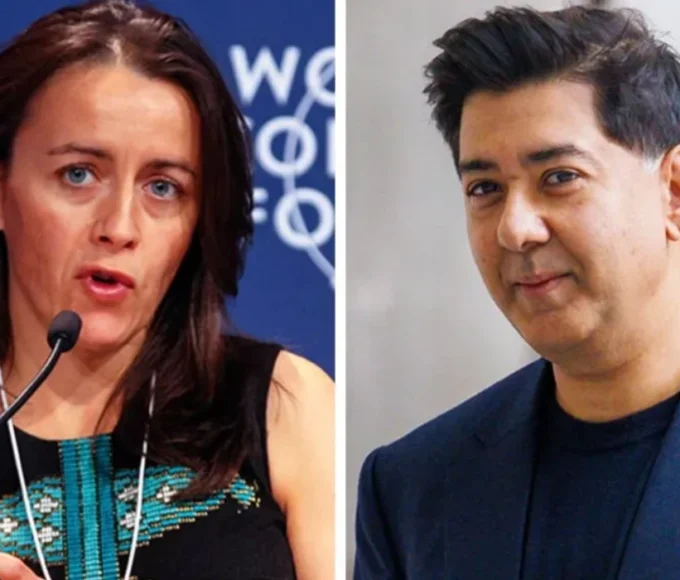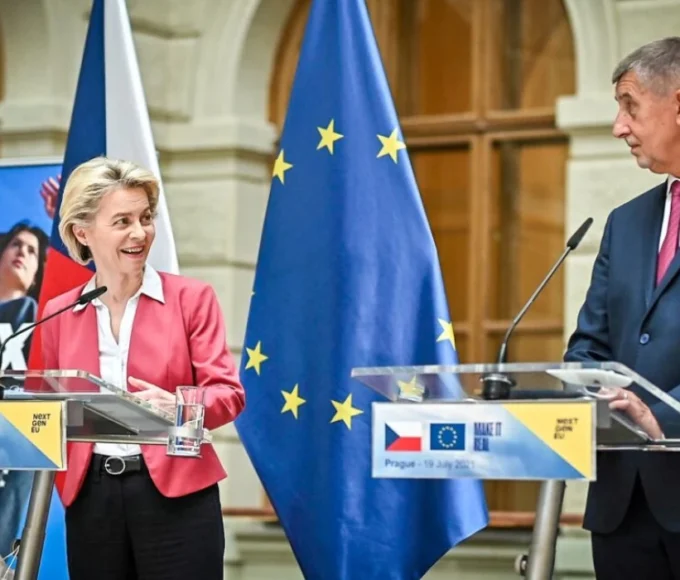


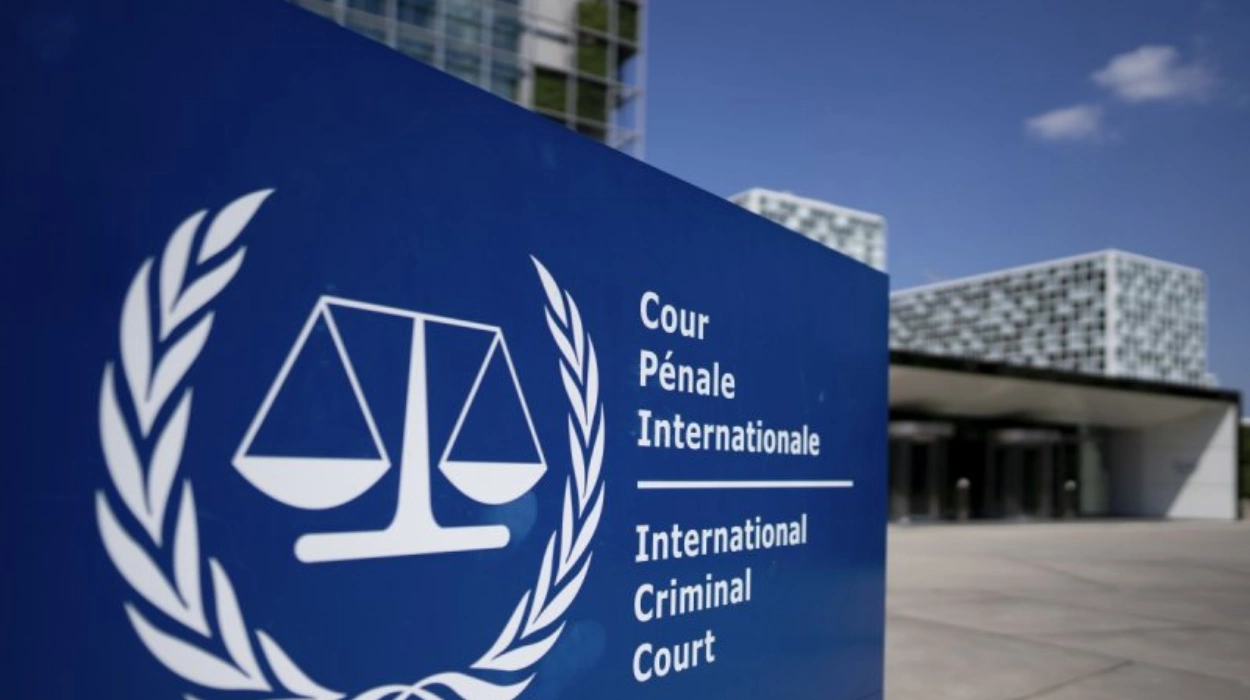
Europe has expressed profound concern over the United States’ escalating sanctions against International Criminal Court (ICC) judges and officials, viewing them as threats to international justice and judicial independence. The Trump administration imposed measures on four judges in June 2025 and expanded to two more judges plus two prosecutors in August, targeting probes into US troops in Afghanistan and Israeli actions in Gaza. This has sparked backlash from the ICC, UN, and European voices, framing the actions as politicized assaults amid high-profile warrants for Netanyahu and others.
Key Facts and Timeline of Sanctions
In June 2025, the US State Department sanctioned four ICC judges—Solomy Balungi Bossa (Uganda), Luz del Carmen Ibáñez Carranza (Peru), Reine Adelaide Sophie Alapini Gansou (Benin), and Beti Hohler (Slovenia)—under Executive Order 14203 for their roles in authorizing Afghanistan investigations involving US forces. August sanctions hit judges Kimberly Prost (Canada) and Nicolas Guillou (France), plus prosecutors Nazhat Shameem Khan (Fiji) and Mame Mandiaye Niang (Senegal), freezing US assets over Israel-related warrants.
These follow February 2025 sanctions on ICC Prosecutor Karim Khan, building on 2020 actions during Trump’s first term. The ICC, established in 2002 with 125 state parties (US, Israel, Russia, China non-members), probes genocide, war crimes, and aggression in Ukraine, Gaza, Sudan, Myanmar, Venezuela, and Afghanistan. Warrants target Netanyahu, Yoav Gallant, and Vladimir Putin; Khan took leave amid UN misconduct probe.
No specific economic figures on frozen assets disclosed, but sanctions bar US business/entry, impacting operations.
Sanctioned Individuals
| Date | Targets | Nationality | Rationale |
|---|---|---|---|
| Jun 2025 | 4 Judges | Uganda, Peru, Benin, Slovenia | Afghanistan US probe |
| Aug 2025 | 2 Judges, 2 Prosecutors | Canada, France, Fiji, Senegal | Israel Gaza warrants |
Official US Statements
Secretary of State Marco Rubio (June): “These individuals directly participate in efforts by the international criminal court to investigate, arrest, prosecute nationals of the United States or Israel without consent.” He labeled ICC a “national security risk” and “tool for legal warfare.”
State Department: “We do not take this step lightly. It reflects the seriousness of the threat we see from the ICC’s politicization and abuse of power.”
ICC and UN Reactions
ICC Statement (June): “These measures are a clear attempt to undermine the independence of an international judicial institution… Targeting those working for accountability emboldens impunity… The ICC stands fully behind its personnel.”
UN High Commissioner Volker Türk (June): “Deeply corrosive of good governance and the due administration of justice.”
UN General Assembly President (November): “Coercion and sanctions against the ICC are assaults on the very principles of international law itself… threaten the global fight against impunity.”
European and Global Concerns
European reactions, echoed in outlets like News.az, decry the moves as “flagrant attacks” on judicial autonomy, risking transatlantic tensions ahead of NATO summits. Al Jazeera notes scrutiny over Gaza amid US ally support; Reuters highlights impacts on ICC’s Ukraine/Russia cases.
Politico warns of Netherlands friction (ICC host); Forbes frames as retaliation for probes lacking US consent. Guardian: “Blatant assault on the autonomy of an unbiased judicial body.”
Broader alarm: Sanctions hinder operations for victims of atrocities; non-signatory status doesn’t negate global jurisdiction claims via UN referrals.
Broader Implications
Actions escalate Trump-era hostility, with House backing penalties post-Netanyahu warrant. ICC vows undeterred work per Rome Statute; Europe sees erosion of post-WWII justice norms. For analysts in international relations and human rights, this underscores US exceptionalism clashing with multilateralism.[user-information]
Timeline of Escalation
- Feb 2025: Khan sanctioned.
- Jun 5, 2025: Four judges hit; UN/ICC condemn.
- Aug 20, 2025: Six more targeted.
- Nov 2025: UNGA warns on impunity fight.
These developments heighten debates on sovereignty versus accountability in global law.