

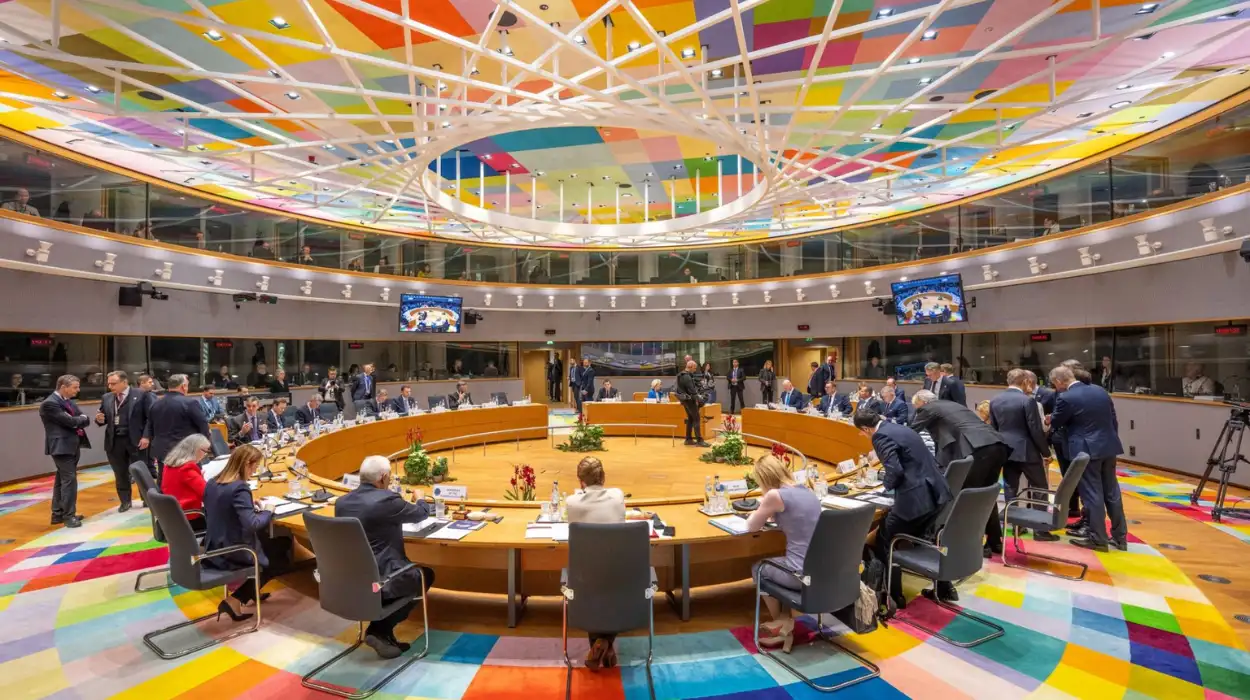
The European Council has reaffirmed EU enlargement as a vital geostrategic investment essential for European peace, security, and stability, amid the 2025 Enlargement Package highlighting advancements by frontrunners like Ukraine, Moldova, Montenegro, and Albania. Despite Hungary’s veto blocking formal conclusions in December 2025, the Danish Presidency issued conclusions underscoring a merit-based process with no shortcuts, as candidate countries advance reforms. This momentum positions accession within reach by 2030 for top performers, bolstering the EU’s global influence.
Key Statistics and Progress Figures
The 2025 Enlargement Package assesses nine candidates—Albania, Bosnia and Herzegovina, Georgia, North Macedonia, Moldova, Montenegro, Serbia, Türkiye, Ukraine—and potential candidate Kosovo, noting significant reforms over the past year. Montenegro, Albania, Ukraine, and Moldova lead, with potential to conclude negotiations soon at current paces; Ukraine completed screening across all six clusters, deemed ready to open.
EU supports gradual Single Market integration pre-accession, strengthening ties; the process remains high-priority, faster than in 15 years. Candidates must meet Copenhagen criteria on rule of law, democracy, and fundamentals; 2025 reports provide tailored roadmaps with recommendations.
Official Statements from EU Leaders
European Commission President Ursula von der Leyen: “We are more committed than ever to turning EU enlargement into a reality. Because a larger Union means a stronger and more influential Europe… EU accession is a unique offer. A promise of peace, prosperity and solidarity. With the right reforms and a strong political will, our partners can seize this opportunity.”
High Representative Kaja Kallas: “The enlargement process is moving faster today than in the last 15 years… Enlargement is an investment in a stable Europe… New countries joining the EU by 2030 is a realistic goal.”
Enlargement Commissioner Marta Kos: “Overall, 2025 was a year of significant progress… The Commission will insist on the highest quality of reforms, especially on the rule of law… A unified continent is the strongest response to those who seek to divide and destabilize Europe.”
Danish Minister Marie Bjerre: “Our attempts to find a solution have been rejected… This sends the wrong signal to candidate countries… Enlargement is important for the other 26 members, and candidate countries are delivering.”
Presidency Conclusions: “The Council reconfirms the geostrategic importance of enlargement as a major contribution to European peace, security, stability and prosperity… An efficient, merit-based and credible enlargement process must be sustained.”
Reactions to Progress and Obstacles
Optimism prevails on geopolitical urgency post-Russia’s Ukraine invasion, with the package centering enlargement geopolitically. New Union Post notes four frontrunners nearing accession despite deadlocks elsewhere; Kos stressed unification ensures “peace, freedom, and prosperity.”
Hungary’s veto on Ukraine drew regret, forcing Presidency conclusions over formal Council adoption, impacting European Council talks. EU diplomats called texts balanced, welcoming Ukraine’s cluster readiness while tying openings to unanimity and national security prerogatives.
Analysts like CEPS praise the “right message” but urge EU backbone; RFERL identifies Albania, Moldova, Montenegro, Ukraine as 2029 targets. Guardian quotes foreign policy chief: “Case for EU enlargement very clear-cut.” Concerns linger on reform quality, no shortcuts, and EU preparedness.
Candidate Progress Ranking
Broader Geopolitical Context
Enlargement counters global shifts and security risks, with Russia’s aggression accelerating momentum. EU commits to candidate support and internal reforms for absorption; security guarantees respect member states’ prerogatives. Package roadmap emphasizes fundamentals like democratic institutions and freedoms.
As Danish Presidency wraps, general European Council discussions persist despite no formal endorsement. This framework aligns with merit-based accession, projecting a stronger EU by 2030.
Timeline of 2025 Developments
- November 3-4: Commission adopts Enlargement Package; frontrunners highlighted.
- November 9+: Media analyzes 2029 potentials.
- December 16: General Affairs Council fails formal conclusions due to Hungary veto.
- December 18-19: Presidency issues enlargement conclusions; European Council debates.
EU enlargement underscores unity against division, vital for stability in turbulent times. For observers in international relations and humanitarian affairs, it exemplifies geostrategic reform balancing.