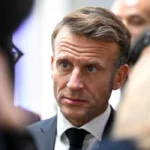


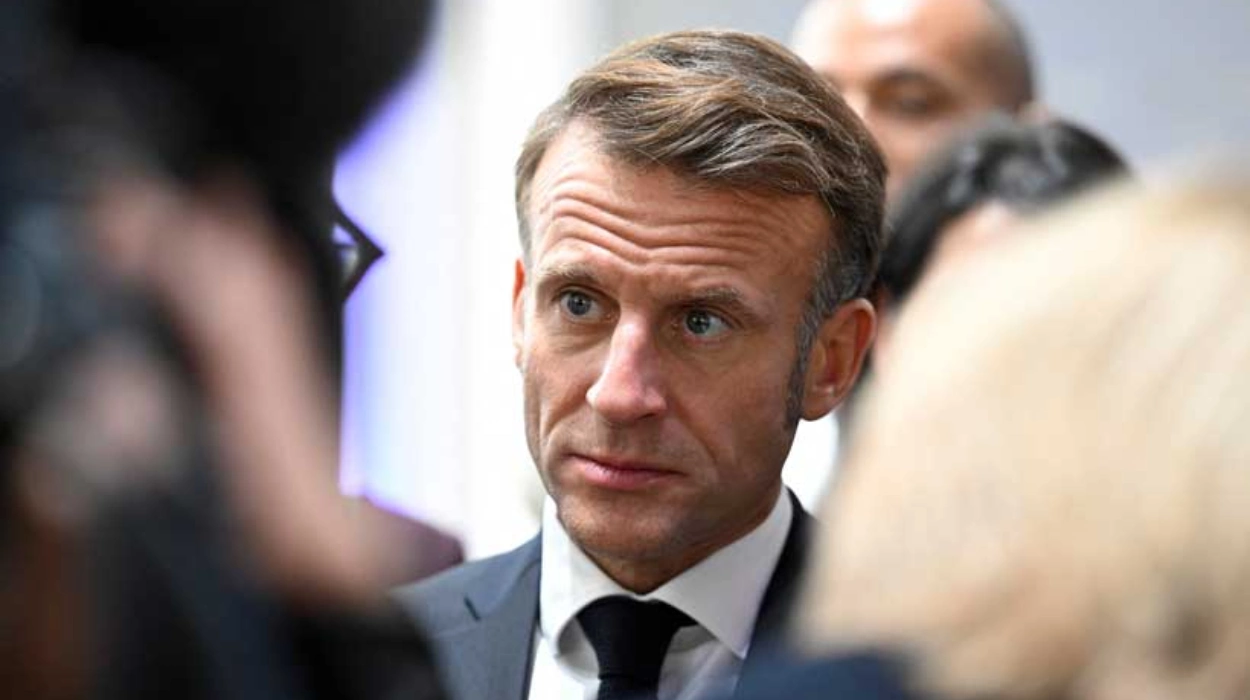
French President Emmanuel Macron has called on Europe to directly engage Russian President Vladimir Putin if U.S.-led peace talks on Ukraine fail to secure a lasting agreement. Speaking in Brussels on December 19, 2025, Macron stressed the urgency of a “fulsome dialogue with Russia” in full transparency with Ukraine, as Miami negotiations loom this weekend. This stance signals a potential pivot for the EU, most of whose members have shunned Moscow since the 2022 invasion, amid fears of being sidelined by President Donald Trump’s administration.
Macron’s Direct Call for Dialogue
Macron presented a clear fork in the road for European diplomacy. He stated that either a “robust and lasting peace” with solid security guarantees emerges, or Europe must “re-engage in a fulsome dialogue with Russia” within weeks.
The French leader underscored that the EU cannot afford to lack a “direct line to Moscow” if the Trump team maintains one, positioning Europe as a sidelined player in current U.S.-driven efforts.
He further noted it “will become useful again to speak to Vladimir Putin,” preparing the ground for renewed high-level contacts despite past frosty relations.
Background on US-Led Peace Initiatives
The U.S. under President Trump is spearheading Ukraine-Russia discussions, with a pivotal meeting slated for Miami involving American negotiators and Russian counterparts.
European allies express frustration over their exclusion, opting to strengthen Ukraine’s leverage from the periphery while wary of Putin’s expansionist goals.
Early U.S. proposals reportedly demanded Ukrainian territorial concessions, military caps, and NATO waiver, but adjustments came after Geneva sessions with U.S., Ukrainian, and European input.
Recent Moscow talks featured U.S. Special Envoy Witkoff and Jared Kushner outlining a revamped war-end strategy to Putin.
EU-Russia Communication Freeze and Past Attempts
Since Russia’s 2022 Ukraine incursion, all but Hungary and Slovakia have severed ties with the Kremlin.
Macron’s most recent exchange was a two-hour July 2025 phone call—the first in three years—pushing for a ceasefire, though it failed to alter battlefield dynamics.
In February 2022, Macron claimed Putin assured no further escalation, a pledge Moscow contested as non-binding.
Evolving French Position
Macron has oscillated between confrontation and outreach. In August 2025, he advocated harsher sanctions should diplomacy falter, citing U.S. measures on India as effective.
Earlier warnings to Ukraine about potential U.S. unreliability in peace deals highlighted his proactive role in confidential leader briefings.
Russian Responses and Historical Clashes
Russia has lambasted prior Macron overtures. In March 2025, it branded his peacekeeping ideas “provocative threats,” with Foreign Minister Sergei Lavrov decrying the speech as a “direct threat” akin to Napoleonic or Hitler-era rhetoric.
The Kremlin deemed that address “highly confrontational,” accusing Macron of prolonging the Ukraine conflict.
No fresh Russian retort to the December remarks surfaced immediately, though Putin addressed war queries at his annual press conference, fielding nearly 3 million public submissions.
Broader Diplomatic Fault Lines
In early December 2025, Macron alerted fellow Europeans to a possible U.S. “betrayal” on Ukraine’s land and defenses during a private call, terming it a “great danger” for President Zelenskyy—confirmed by several attendees.
He has portrayed Russia as an existential threat to France and Europe, advocating unified military responses and extended nuclear umbrellas given U.S. policy flux.
Trump’s push for swift Ukraine resolution and Russia rapprochement disrupts established alliances, forcing Europe to recalibrate.
Implications for Ukraine and Global Security
Macron’s remarks arrive as U.S. talks intensify, with Europe eyeing contingency plans. His transparency pledge with Kyiv aims to preserve trust, but risks internal EU rifts—Hungary and Slovakia already diverge on Russia policy.
The July call’s futility underscores engagement challenges; Macron’s 2022 optimism dissolved into invasion reality. Yet, with Trump prioritizing deal-making, Europe’s direct outreach could reshape cease-fire dynamics.
Critics view this as weakness, while supporters see pragmatic realism amid war fatigue.
Reactions from Stakeholders
European capitals largely back Macron’s caution, prioritizing Ukraine aid over premature talks. Ukraine welcomes transparency but insists on ironclad guarantees against concessions.
Russian echoes from March suggest reflexive hostility, potentially framing Macron’s pivot as capitulation. Lavrov’s barbs reflect Moscow’s narrative of Western aggression.
U.S. officials remain focused on Miami, viewing European sidelines as complementary rather than competitive.
This development, reported across Reuters, Bloomberg, and Straits Times on December 18-19, 2025, underscores transatlantic tensions in war-ending strategies. As Miami unfolds, Macron’s blueprint positions Europe for autonomy, blending deterrence with dialogue in a high-stakes Ukraine endgame.