

This is the first meeting of the European Council after the elections of 9 June, which were marked by a surge of the extreme right, but not to the point of upsetting the balances within the European hemicycle. The conservatives of the European People’s Party (EPP, centre-right), the social democrats (S&D) and the liberals of Renew continue to form the majority coalition in the Parliament.
“This is a particularly important meeting, due to a substantial agenda and crucial decisions that will shape the way forward (…). A determined and ambitious Union is essential in the current period”, stressed the President of the European Council, Charles Michel, in his letter of invitation to the members of the European Council.
Among the decisions on the agenda, three stand out in particular. First, the 27 will adopt the strategic agenda, a text of around ten pages structured around the challenges of defence, economic competitiveness and the protection of democracy.
By virtue of the role conferred on it by the Treaties, the European Council will thus have to define the priorities and set the strategic orientations of the EU for the next five years, thus guiding the work of the next institutional cycle.
Themes that marked the last electoral campaign, under pressure from the hard right, should be found in the literature of the strategic programme, in particular climate pragmatism and the toughening of the fight against immigration.
Next, the Council will have to determine the path to follow in terms of internal reforms and agree on institutional appointments.
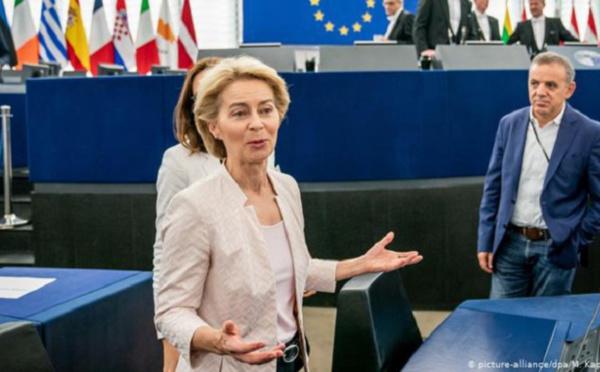
On this last point, the choice of the trio Ursula von der Leyen (Commission Presidency), Antonio Costa (European Council) and Kaja Kallas (EU diplomacy) is definitively ratified. It was confirmed on Tuesday by the main leaders of the three major political families (centre right, socialists and liberals).
The decision on “top jobs” does not require unanimity. A qualified majority is sufficient. However, several European leaders do not hide their desire to send an image of unity.
The summit will also focus in particular on the needs and means of financing a “stronger” European defense. The issue continues to divide. Influential member states, such as Germany and the Netherlands, are strongly opposed to the idea of European debt to finance Defense.
However, military support for Ukraine must not pose resistance. Charles Michel believes that it will be “imperative to intensify military support for Ukraine, with an emphasis on air defense, munitions and missiles”.
On this occasion, European leaders will receive Ukrainian President Volodymyr Zelensky, who will come to sign a long catalogue of EU commitments over ten years for the security of Ukraine. This bilateral agreement, not legally binding but politically binding, largely provides for continuing to arm Ukraine.
The “devastating” crisis in the Middle East, particularly in Gaza, will also be on the agenda. European leaders will call “once again for an immediate ceasefire in Gaza and an increase in humanitarian aid.”
This article is originally published on atlasinfo.fr